Here’s Some Surprisingly Good News
Hungary did pretty well again this year in Europe’s latest water quality rankings for swimming spots. The European Environment Agency (EEA) tests beaches, lakes, and rivers annually—not just by eye, but with lab-grade precision. They mainly look for bacteria like E. coli and enterococci, which usually come from sewage or animal farming runoff.
In the 2024 season, 85% of the monitored European swimming spots earned an excellent rating (with some countries topping 95%)—a truly encouraging result.
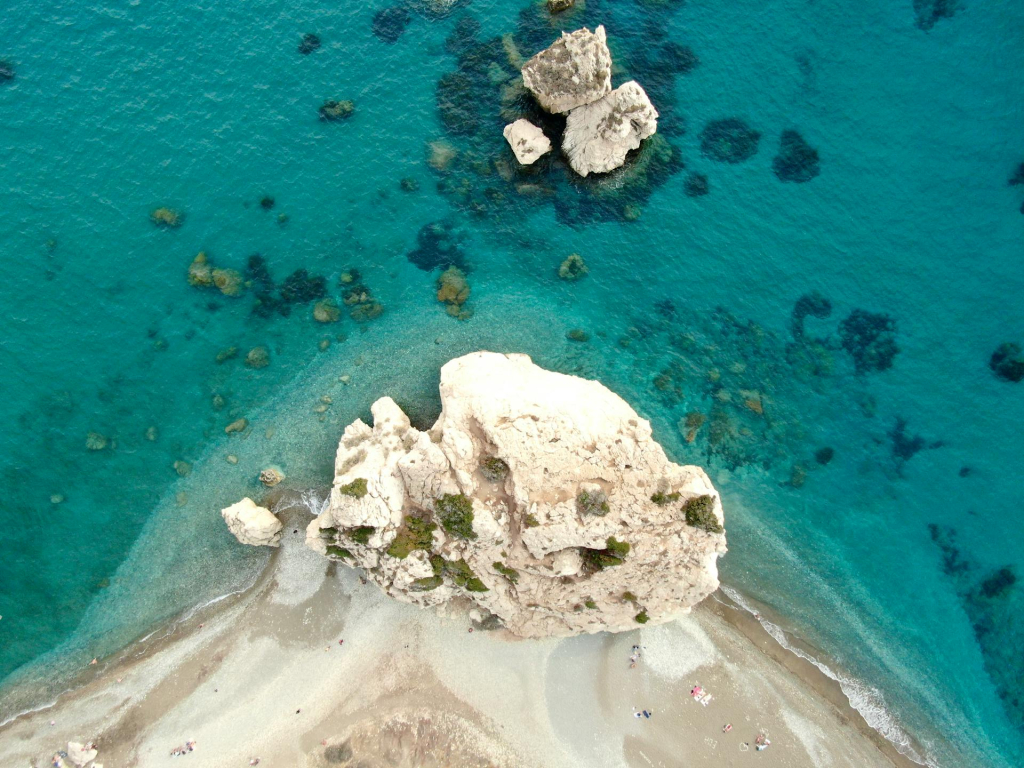
This year, Cyprus led the pack with 99% of its waters rated excellent, followed by Bulgaria (98%), Greece (97%), Austria (96%), and Croatia (95%). Austrian lakes are famously crystal clear, but it’s great to see Hungary’s waters mostly meeting high standards too.
What’s the Situation in Hungary?
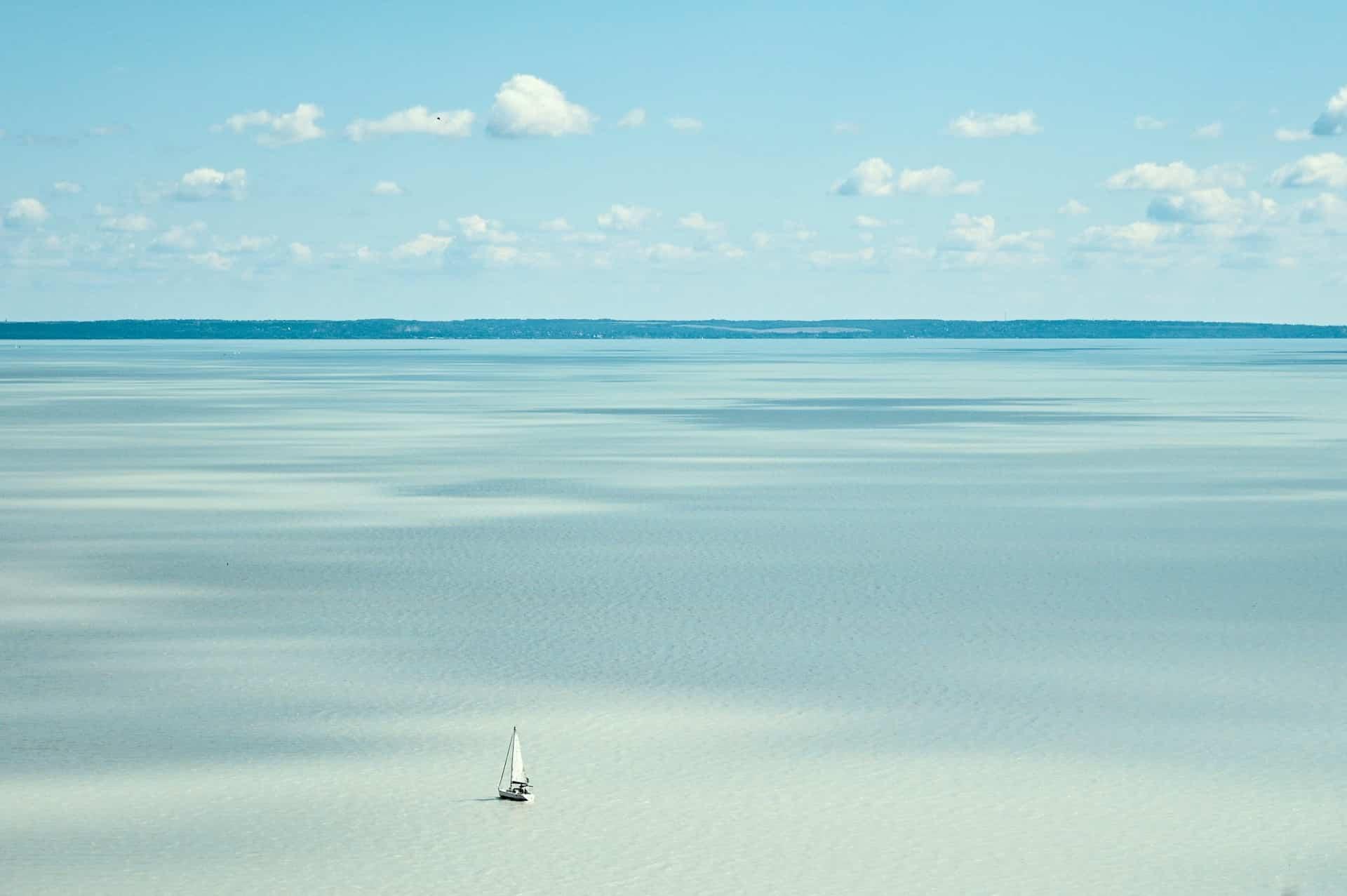
Hungary didn’t make the top 5, but still performed well. 96% of Hungarian swimming spots met the EU’s minimum standards, earning at least a “sufficient” rating, with many classified as “good” or “excellent.” That’s about 270 spots, including Lake Balaton, Lake Velence, and Lake Tisza, where natural flow and self-cleaning keep the water fresh.
The biggest threat usually isn’t constant pollution but weather: sudden heavy rains after droughts can temporarily worsen water quality, especially in smaller lakes and rivers.
Did You Know Coastal Beaches Are Usually Cleaner?
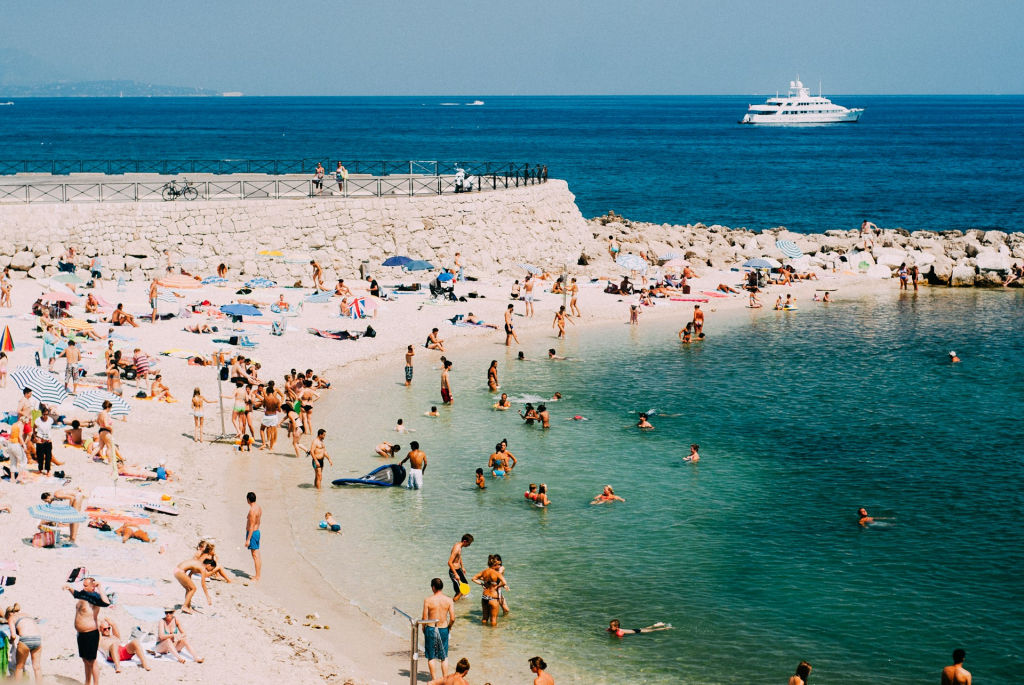
If you thought swimming in rivers or lakes was safer, it’s worth reconsidering. Sea water is always moving, so it refreshes itself and holds less pollution. Inland lakes and rivers are more vulnerable to heavy rains, which can overload city sewage systems and cause overflow. The EEA warns climate change may increase these extreme weather events, so staying informed will be key in the coming years.
To Swim or Not to Swim?
If you’re planning a trip abroad, the EEA’s full database is online so you can check water quality at specific beaches. Staying local? Most Hungarian spots consistently score well year after year.
Still, it’s smart to check recent updates from local authorities, as they’re the fastest to report issues like algae blooms or this year’s midge invasions.
So if you’ve had doubts, relax: Hungary’s beach waters aren’t just clean in feeling—they’re officially measured as such. Sunscreen in your bag, paddleboard in the trunk, water ready—are you?