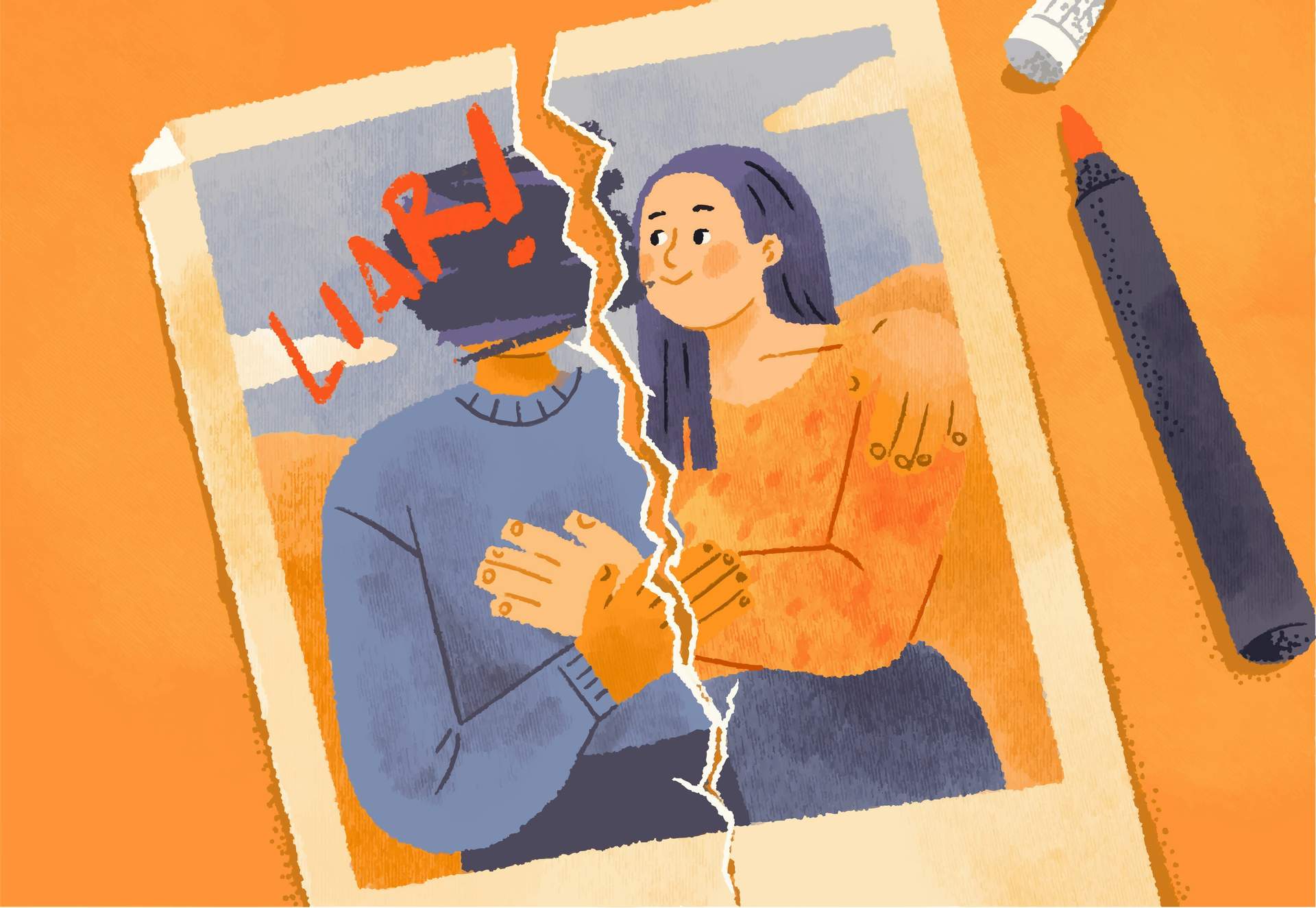
Having money is nice. But generosity? That's the thing that actually changes your life — and its absence can quietly destroy it. Four women learned this the hard way.
Something for something
He had the money, and he had the control. He gave me a lifestyle, but not freedom. At the beginning, he spoiled me — gifts, travel, dinners with wines whose names I couldn't pronounce. I was floating on cloud nine. Then, almost imperceptibly, everything shifted.
He started tracking and criticizing every dollar I spent. My monthly allowance gradually shrank until it barely covered groceries and gas. I was living in a golden cage, but I still had to budget.
That's when I learned something I've never forgotten: generosity has nothing to do with how much someone earns — it's about how willing they are to share what they have. My current partner isn't wealthy by any measure, but he shares everything with me. My rich ex supported me financially. My partner now actually takes care of me. Those are two very different things.
The illusion
Anyone who tells you that marrying a wealthy man will solve all your problems is lying — or has never tried it. I believed that too. His family had money; mine didn't. When he proposed, I felt like the luckiest woman alive.
The engagement ring arrived with a prenuptial agreement, which I signed without hesitation — and without having a lawyer look at it — because I was completely in love. I quit my job because he said it would "look bad" if his wife worked as an office administrator.
We lived in a luxury apartment. No utility bills, a housekeeper, restaurant dinners whenever I didn't feel like cooking. We traveled to beautiful places, and I received a monthly budget for clothes, beauty appointments, and anything appearance-related.
But when my mother needed help — her boiler had broken down — he refused. He told me he'd married me, not my family, and he wasn't a "charity organization" for their problems. When I wanted to take a silversmithing class, he wouldn't pay for it, calling it "pointless." If I wanted jewelry, he'd just buy it for me.
Two years in, he announced he was in love with someone else. Before I could process what was happening, we were divorced — and I found myself on the street with absolutely nothing. No job, no savings. I moved back in with my mother. I sold my designer clothes, shoes, bags, and the few pieces of jewelry I'd received over those two years just to survive while I looked for work.
His new girlfriend is now living my old life. Part of me wants to warn her: be smarter than I was, because my fairy tale ended in a very hard fall.
The control
He took me shopping. He took me to the most expensive restaurants. I walked beside him through central Paris in Louboutin heels and a Valentino dress — but if I wanted a cappuccino, I had to ask his permission first.
And he liked it that way. He liked having the control. What he gave was grand, but it was never from the heart — it always came with conditions. He knew he held power over me, and he enjoyed it.
The gifts weren't expressions of love. They were tools for keeping me in place.
The wealth
By the time we divorced, I didn't even know what we owned — which cars, which properties. I had no idea. At that point I stopped seeing our marriage as a luxury lifestyle and started seeing it for what it really was: a financial prison with marble countertops.
Before you get involved with a wealthy man, ask yourself one honest question: does he want a partner, or a dependent? Because the man who sees you as an equal lifts you up. The man who wants someone subordinate isolates you. If he truly loves you, he doesn't just let you into his home — he shares his life with you.
Wealth without generosity is nothing more than a velvet-lined cage.
The difference
I didn't know what set a wealthy man apart from a genuinely kind one — until I learned it in a way I'll never forget. We'd been dating two months when he suggested a trip to the Maldives. I told him honestly that I couldn't afford it right then — I'd just made my final mortgage payment and was stretched thin. He told me not to be silly: of course he'd cover everything.
He knew I had a sweet tooth. But desserts were off-limits on that trip. He ate "clean," he explained, and despite the fact that I was already slim, it was apparently time I followed suit. Fruit was the only permitted treat.
There I was on a luxury vacation, staring at pastries I wasn't allowed to touch. It felt exactly like being a child again, with a parent saying no chocolate before lunch. I was 34 years old. The thought hit me hard: how did I end up here? This is humiliating.
When we got home, I ended it. He genuinely didn't understand why. He told mutual friends I'd dumped him because he hadn't bought me a cream puff. It was so much more than that.
Frequently asked questions
Is it wrong to want a financially stable partner?
Not at all. Financial stability in a relationship matters. The key distinction these women draw is between a partner who is financially stable and generous versus one who uses money as a means of control and power over the other person.
What's the real difference between being "supported" and being "taken care of"?
As one of the women in this article puts it, being financially supported means someone covers your expenses — but being genuinely cared for means your partner considers your wellbeing, your dreams, and your autonomy. One is transactional; the other is love.
What are warning signs that money is being used for control in a relationship?
Based on these stories, key red signs include being given an allowance with no say in how it's spent, being discouraged or prevented from working, having requests for family help denied, and needing to ask permission for small personal purchases.
Should you always have a lawyer review a prenuptial agreement?
The women in this article strongly suggest yes. Signing legal documents when you're in love and not thinking clearly — without independent legal advice — can leave you with nothing if the relationship ends.
Can a generous partner still have limited finances?
Absolutely — and that's the central lesson of these stories. Generosity isn't about the size of someone's bank account. It's about their willingness to share what they have, support your growth, and treat you as an equal.