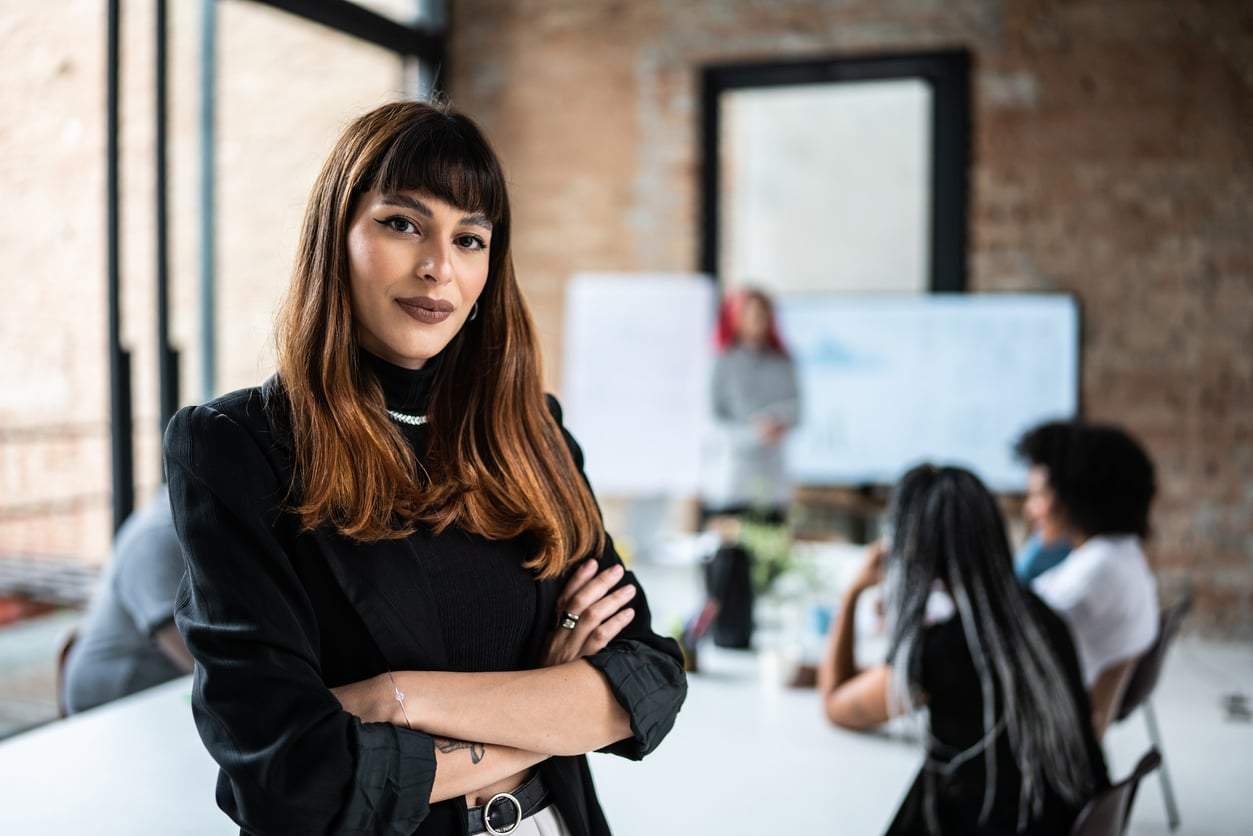
For a long time, I was proud to handle everything on my own. To rely on myself, to stay strong when challenges hit, and to stand on my own two feet. Once, I fixed a friend’s washing machine, and she asked in amazement, “How do you even know how to do this?” “I don’t know,” I replied. “If there’s no one else to do it for you, I guess you just learn.”
Being self-reliant is a valuable quality, but deep down, I always knew this independence wasn’t a natural gift I was born with. It was more of a survival strategy I learned as a child—and one I’ve never fully been able to let go of.
Like many kids with at least one parent struggling with addiction, I experienced parentification. This is when the roles between parent and child get reversed: the child steps in as the caregiver and emotional rock, even though they themselves need support, safety, and steady presence.
A parentified child can’t afford to feel uncertain or scared—they take on tasks, carry emotional weight, and grow into roles far beyond their years.
This dynamic leaves lasting marks. Parentification is a trauma with many long-term effects: overwhelming responsibility, perfectionism, constant alertness, emotional suppression, difficulty asking for help, or simply not believing others will truly be there in tough times. Anxiety, burnout, chronic tension, and a deep-rooted belief that “I must never be weak” are common among those affected.
Despite the heavy burden, like many trauma survivors, I found some strengths in the skills I developed to survive. Independence is one of the most important. Since I couldn’t count on anyone as a child, being an adult who can take care of myself felt natural. I learned to move out alone, manage my life solo, and make decisions independently. I don’t shy away from tough situations, and I know I’ll handle whatever comes my way.
But there’s a point where independence stops being strength and becomes a barrier. It took me time to realize that my independence often isn’t freedom—it’s a defense.
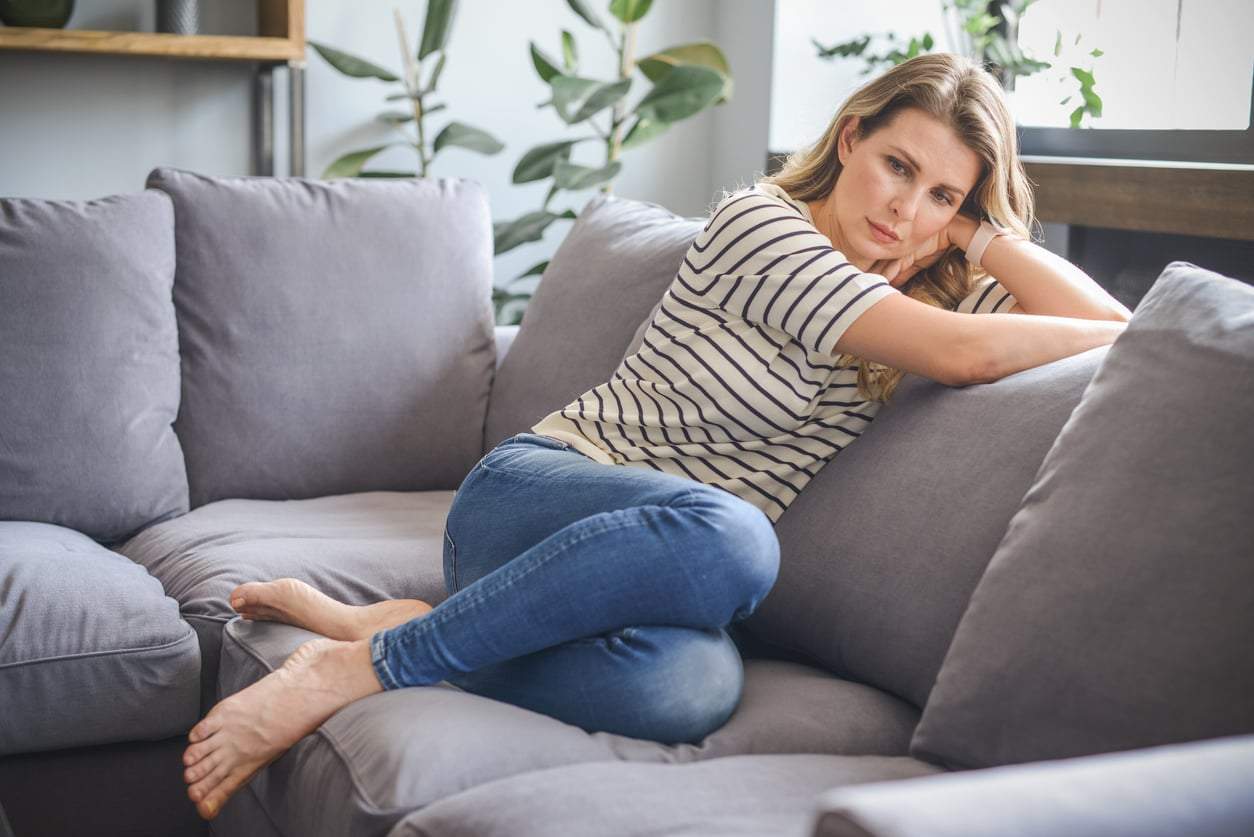
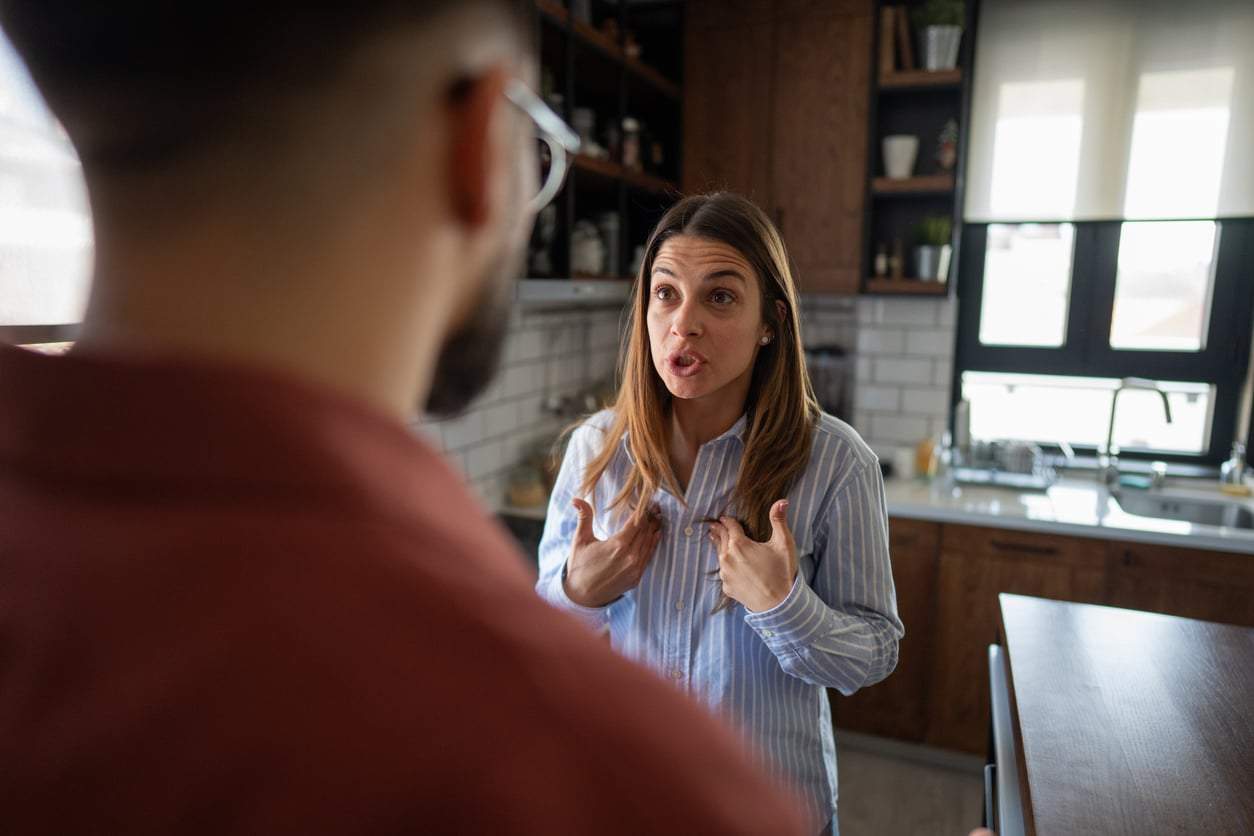
I was so afraid of relying on others—because that’s where my deepest childhood pain came from—that as an adult, I struggle to ask for help, even from those it would feel natural to turn to. I find it hard to share my fears with my partner. I don’t speak up at work when I’m overwhelmed. I don’t tell my friends when I’m struggling inside. Instead, I try to quietly handle everything alone, just so I don’t become a burden.
But over time, this takes a toll. Constant emotional self-control can lead to burnout. Suppressed fears can grow into anxiety. Loneliness can quietly creep in—even when you’re in a relationship or have a circle of close friends. If I never allow myself to be vulnerable, uncertain, or fragile, I also deny others the chance to truly connect with me. This builds an invisible wall that doesn’t protect—it isolates.
It took years to learn what we can do to change this. First, recognize that asking for help isn’t weakness—it’s connection, and it can strengthen bonds. Once you get that, start small: share a minor fear, say when something’s bothering you, ask for a simple favor. Therapy, self-awareness, and practicing openness in relationships can all help us learn that not all dependence is dangerous, and not every closeness hides pain.
I’m working on this too. My partner, friends, and therapist are incredible supports on this journey.
I’m proud of my independence and don’t want to give it up. But I hope for the day when I no longer feel I have to do everything alone. When I know I’m safe even if I ask for help. Because those who truly care don’t just accept my burdens—they’re happy to share them with me.