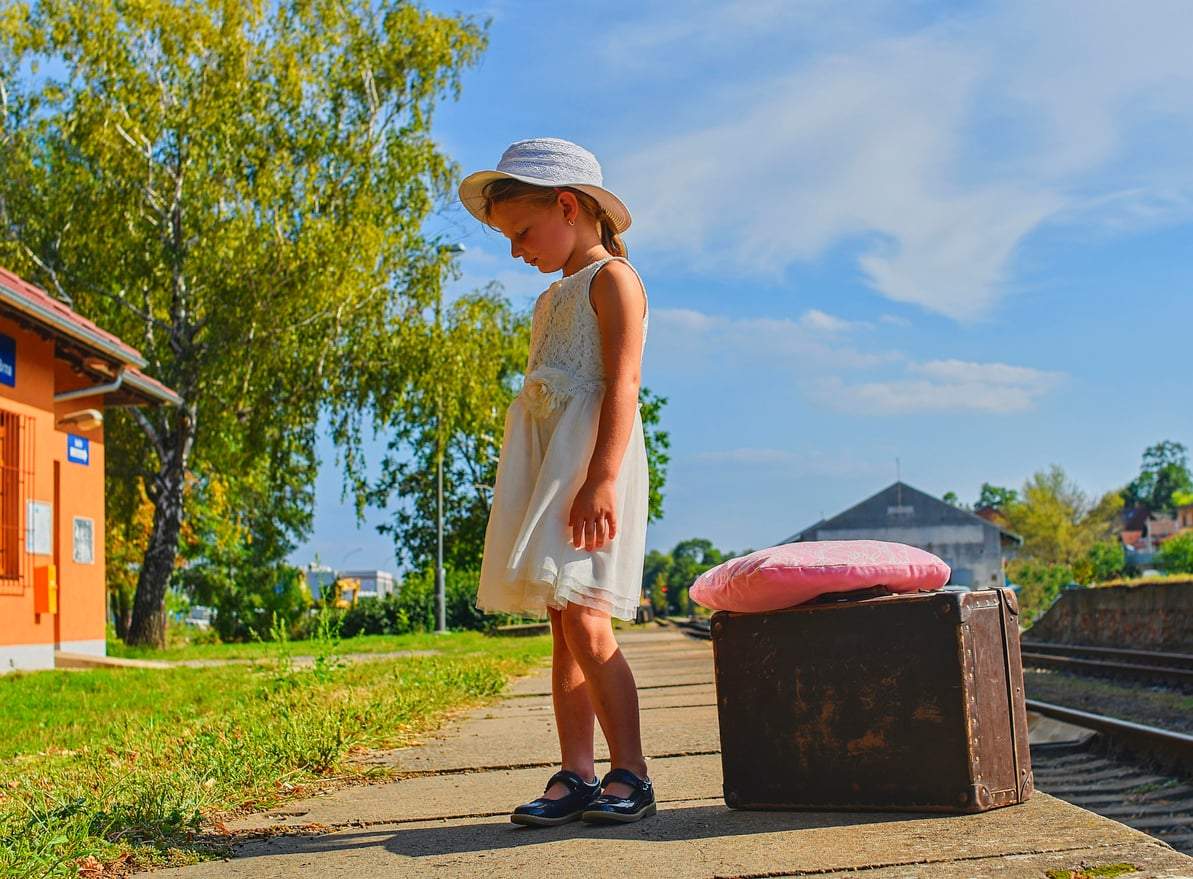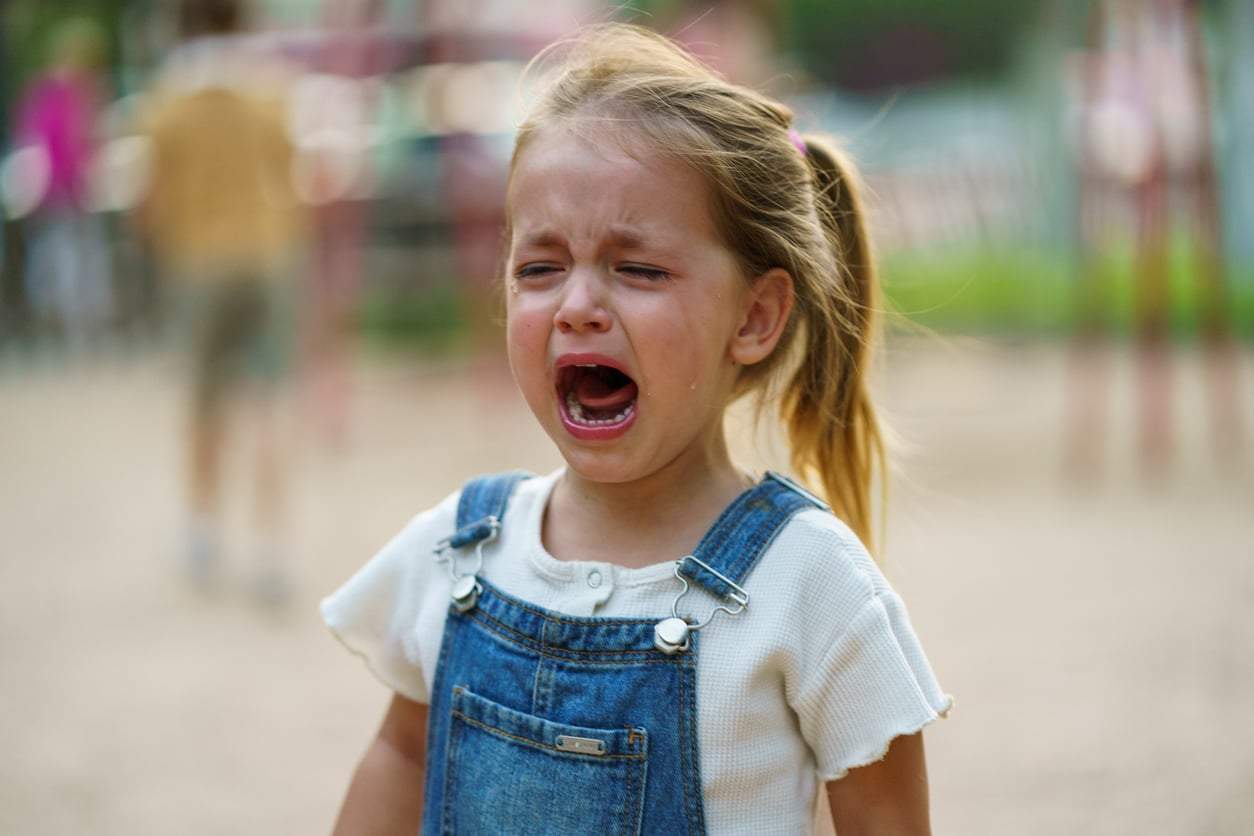
Many of us were taught as kids to stand on our own two feet—just not at the right time or under healthy circumstances.
From the outside, this looks like resourcefulness, strength, or being the “good kid,” but inside, it often means we were left to handle things alone too early. I recently read thoughts from psychologist Marielisa Reyes about how early independence can become an invisible burden over time. As she listed patterns common in emotionally neglected kids, I found myself mentally taking notes. These weren’t just theories—they felt like a mirror.
When You Became Responsible Too Soon
Not every child gets a carefree childhood. Some carry silent responsibilities alongside their school bags. For me, it wasn’t about raising siblings but a constant presence and attention around an elderly family member. At the time, it felt natural—even a source of pride to be counted on. Only later did I realize how much energy I spent on things that didn’t serve my own growth.
If you were the kid everyone could count on, there probably wasn’t much room to be uncertain. When there was trouble, people looked to you; when tension arose, you smoothed things over. Slowly, you learned your feelings came second, but the task always came first.

When Asking for Help Felt Like Failure
For me, asking for help was long not just uncomfortable but felt like a real internal defeat. I’m not talking about everyday small things (I never thought to ask others for those), but the big, truly tough moments. That’s when I noticed my avoidance pattern—as if the rule was to solve serious problems quietly, and less serious ones even more quietly.
As an adult, this often turns into excessive independence. The kind where you say “I’ll handle it” or “leave it to me” even when you’re drained. Control feels familiar; relying on others feels foreign and unsettling. If as a child you learned that support was conditional or unpredictable, your brain logically decided: it’s safer to go it alone.
When You Felt Like an Outsider
Being excluded as a kid or teen isn’t just a momentary pain—it shapes your identity. I spent a long time, all the way through high school, searching for my place while often finding myself on the sidelines.
I had a few close friends, but we were usually the sidelined, excluded group, not the center of attention.
These experiences leave a mark. Even as an adult, you might find yourself thinking it’s safer to keep your distance, fearing that too much closeness is risky. So you set the boundaries first—before anyone else does. Yet deep down, you long to connect, to be with someone where you don’t have to be strong all the time.
When Your Feelings Were Too Much
In many families, emotions weren’t taught to be handled—they were silenced. Maybe you know the phrases: “Don’t dramatize, others have it worse,” “It can’t hurt that much,” “I had it way worse and still managed.” Hearing this repeatedly teaches you to turn down the volume on your feelings.
At first, this feels like adapting, but it’s really self-limiting. Suppressed feelings don’t disappear; they build up inside. As an adult, it takes real self-awareness to learn that your feelings aren’t burdens—they’re signals. Saying what’s inside you doesn’t make you “too much” for those who love you. If you’re better at expressing your emotions now, that’s not automatic—it’s learned trust in yourself and others!

When You Minimized Your Own Problems
For a long time, I naturally believed others’ problems were bigger and that I had no right (or reason) to complain. This attitude looked strong and rational to others but really meant I didn’t give my own pain the weight it deserved.
If as a child your problems were downplayed or dismissed, you might automatically minimize your own burdens as an adult, while readily making space for others. (It’s interesting to notice whose voice your inner critic uses…) Remember: just because someone else struggles too doesn’t make your burden any less real. Self-compassion isn’t weakness—it’s emotional maturity.
When You Were Called “Wise Beyond Your Years”
Hearing as a child that you’re more mature than others feels good, but often it means you had to adapt to adult situations too soon.
“Wisdom” here isn’t just a gift—it’s a survival skill.
You learned to quickly assess situations, read others’ minds, and think ahead to avoid bigger trouble. These are valuable skills, but it’s important to see they didn’t develop because “that’s how it should be,” but because you had to adapt.
The difference now is you have a choice. Your independence is a strength, but it doesn’t have to be your only path! You can learn to ask for help without losing your identity and take your feelings seriously without guilt. The fact that you’ve handled so much alone shows your perseverance—but your true strength lies in believing you don’t have to carry it all by yourself anymore.