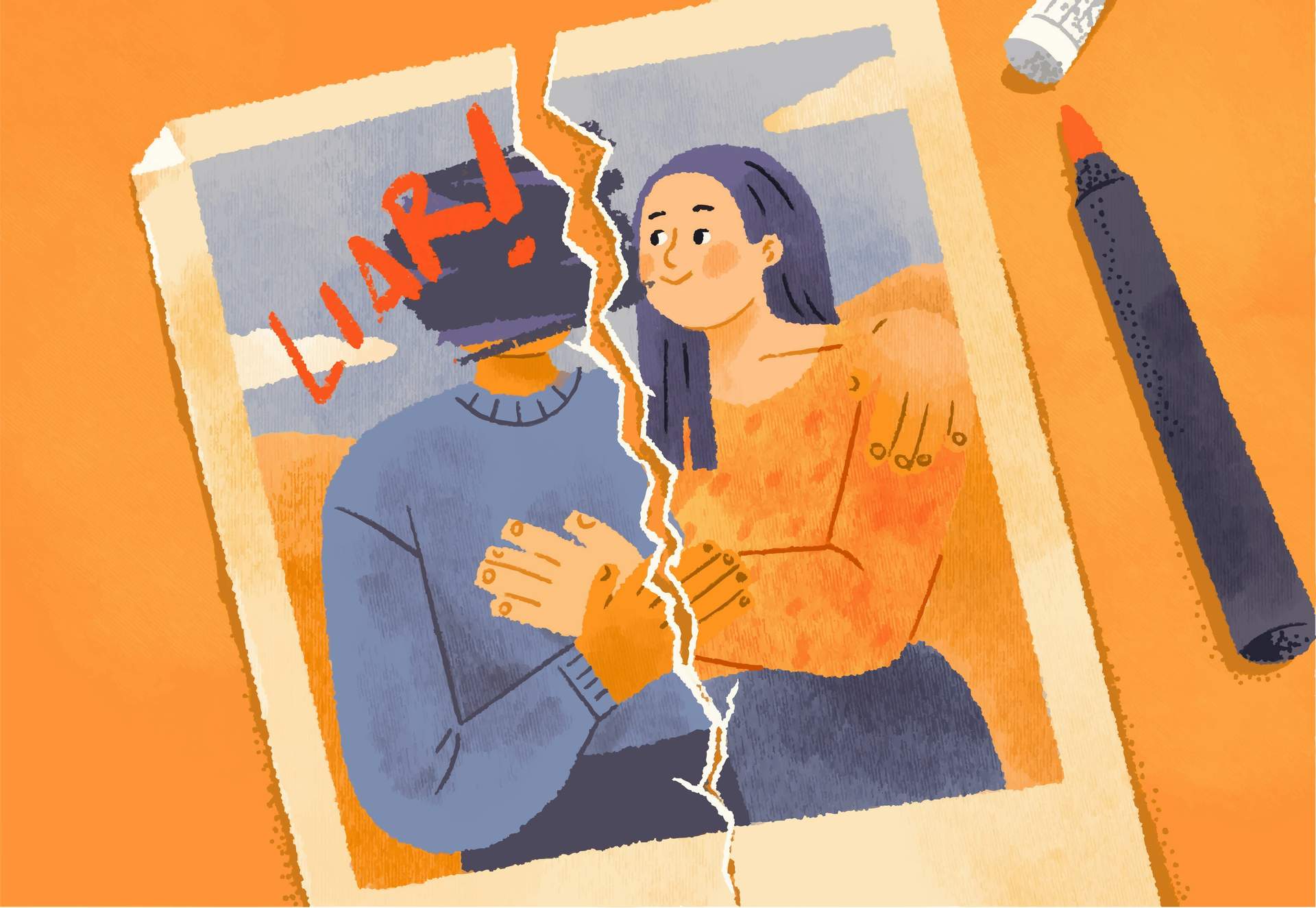
Losing Emotional Stability
Maybe you’ve felt that moment when a small event, an offhand comment, or an unexpected situation shakes your inner calm amid everyday chaos. You’re not alone—many of us experience how stress, uncertainty, and rapid changes can unsettle our emotional balance.
Renowned psychologist Carl Gustav Jung believed that achieving inner harmony is key to becoming more resilient against external pressures. He emphasized that developing self-awareness and mindfulness strengthens our emotional resilience.
Signs of Emotional Instability
Everyday anxiety and stress can trigger emotional reactions that lead to unnecessary conflicts and inner tension. It’s important to recognize these signs.
- Frequent mood swings
- Extreme reactions to minor changes
- Persistent fatigue and low energy
- Avoidant behavior and excessive withdrawal
These signs may indicate that your emotional stability is shaken and needs urgent attention.
Expert Tips for Regaining Stability

Daniel J. Siegel, a psychiatry professor and mindfulness pioneer, highlights how practicing mindful presence helps us better understand and manage our emotions. Regular meditation and breathing exercises can reduce stress and boost self-control.
Brené Brown stresses the importance of embracing vulnerability and seeking community support.
Brown believes that connection and openness help us let go of perfectionism and fully experience the moment.
Practical Steps to Emotional Stability
You don’t need drastic changes to regain your emotional balance. Small, mindful steps can make a big difference. Try these:
1. Journaling: Writing down your feelings and thoughts helps organize your inner world and spot sources of tension.
2. Movement: Regular exercise lowers stress hormones and lifts your mood.
3. Social connections: Engage in community activities and spend time with friends and family to build emotional support and avoid isolation.
4. Mindfulness techniques: Explore the beauty of present-moment awareness and practice relaxation to maintain inner calm.
The Power of Mindfulness in Daily Life
Regaining and maintaining emotional stability starts with cultivating mindfulness. We need to consciously tune into our feelings and thoughts to avoid unnecessary stress. Jon Kabat-Zinn, the founder of mindfulness, describes it as being fully present in the moment without judgment toward ourselves or others.
Incorporate mindfulness into your daily routine—whether it’s a quick morning meditation or a walk in nature—to remind yourself of life’s simple joys and their importance.
While losing emotional stability is common in today’s fast-paced world, the right tools can help you reclaim and protect it. Take time for yourself, focus on the present, and remember: every small step you take on this path strengthens your emotional well-being.