From a very young age, my daughter loved vegetables and fruits. One of the greatest joys was letting her shell peas or pick tomatoes herself. I felt we were on the right track. Then school started — bringing new habits, peer pressure, sandwich trades, and the first "yuck, I don’t want this" and "isn’t there any real food?" comments.
Just when I thought it couldn’t get more complicated, came the pre-teen years
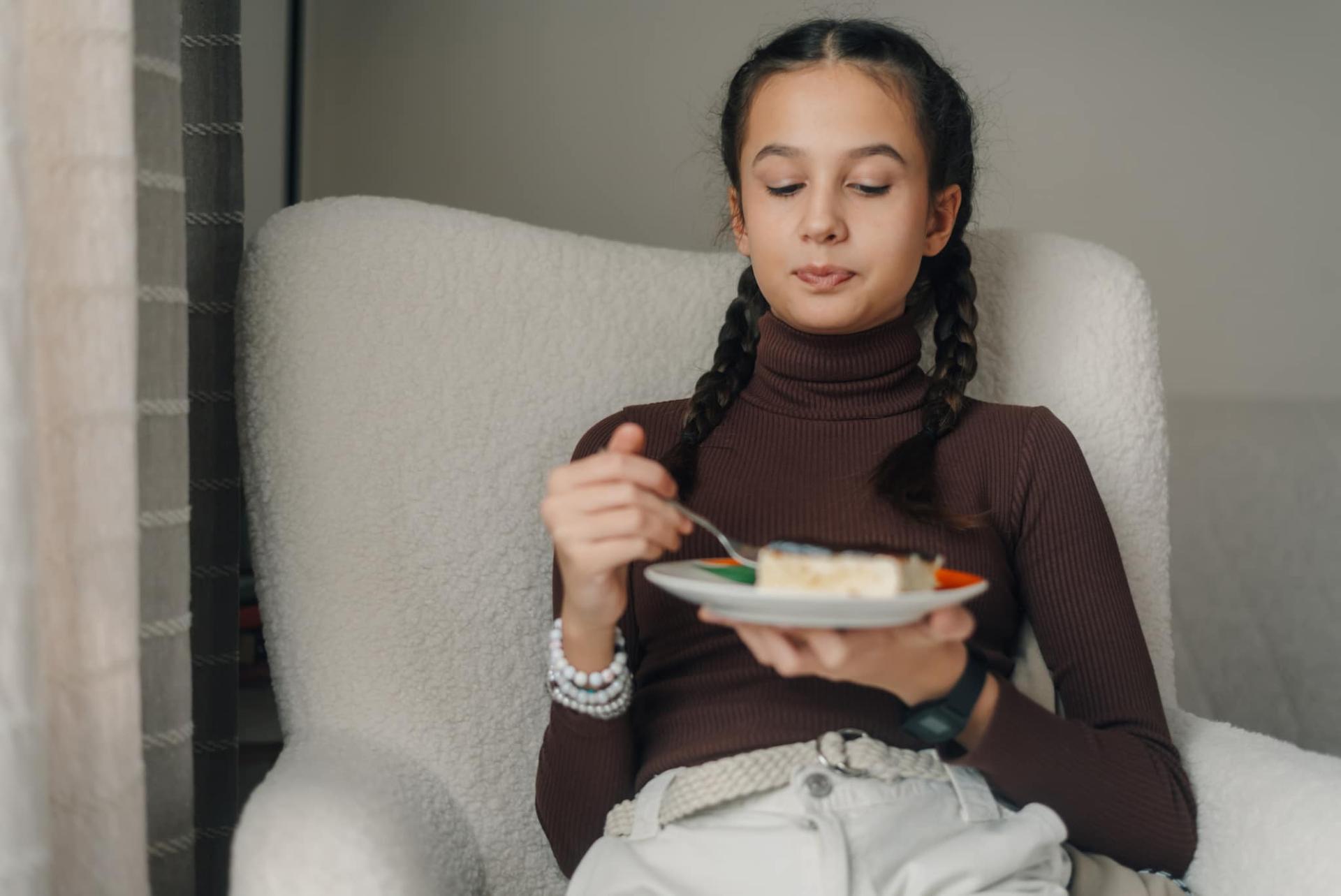
It’s tough to stay calm when your kid calls the sorrel stew disgusting — even though she happily crunches the raw ingredient fresh from the garden. Especially when you know your stuff about nutrition. She knows I do — and she also knows she can really challenge me on this front.
She uses food just like I do — she just doesn’t fully understand why yet. And maybe sometimes, neither do I.
At the same time, I’m careful to keep mealtime from becoming a battleground between us. I want her to feel safe asking questions, tasting, saying no — and then trying again. Most of all: I want her to never fear food. Not the healthy stuff, not the treats.
What do official guidelines suggest?
UNICEF highlights 5 simple but powerful habits that help kids build a healthy relationship with food (and no, none of them focus on counting calories in pancakes).
- Lead by example. When I enjoy roasted cauliflower without treating it like a punishment, it influences her. Shopping, cooking, and tasting together sparks natural curiosity that lays the foundation for mindful eating.
- Don’t use food as punishment or reward. Phrases like “If you don’t eat it, no dessert” teach kids that food is a tool for control, which can distort their relationship with eating over time.
- Teach what it means to feel full. Not by scolding (“others are hungry while you leave carrots”), but by helping her tune in to her body’s signals. This skill is far more valuable than any plate rule.
- Don’t ban foods. Constant restrictions often backfire, increasing cravings. Instead, teach that every food has its place and time — balance, rhythm, and awareness are key.
- Watch portion sizes. Oversized servings can overwhelm kids’ bodies and confuse their natural hunger cues. Many adults also overeat, but learning together is inspiring for little ones — even at the table!
As a mom, I’m not writing a menu plan — I’m building a bridge
UNICEF’s advice shows that a healthy food relationship isn’t about tracking every gram of protein, but about the feelings tied to the table. Stress, shame, pressure? Or curiosity, play, shared moments?
I’ve been that tired, frustrated mom who, after the fourth rejected stew, yelled from the bathroom, “Then eat whatever you want, I don’t care!” But then I took a breath and started over, because I don’t want food to become a power struggle. I want it to be a connection where we pay attention to each other and care for ourselves.
Balancing chocolate rolls and inner peace
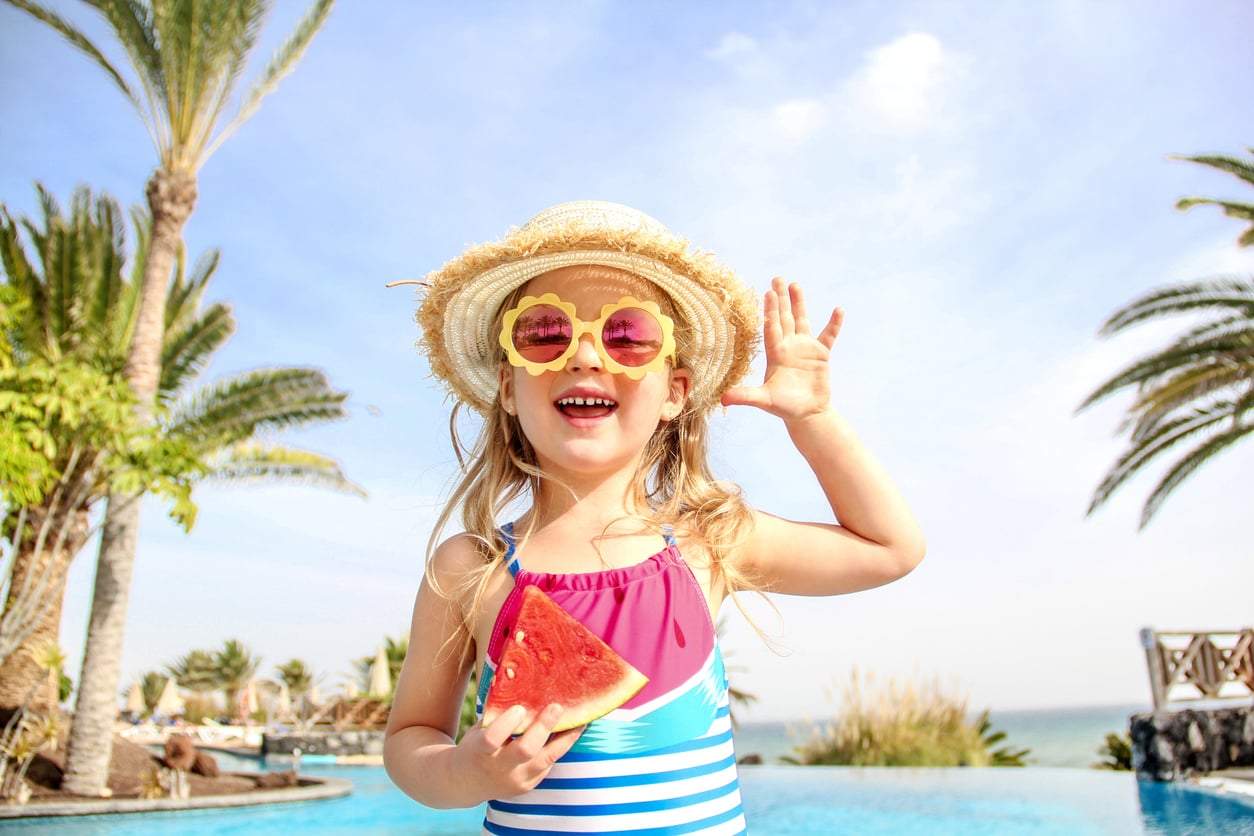
I strive to remove guilt, anxiety, and rigid "good eating" pressure from our talks about healthy food. I want my daughter to eat watermelon not because she’s afraid of chocolate — but because she knows and feels watermelon does her good. And that chocolate can have its place too.
Of course, I’m always learning — about myself, her, and us. Some days nothing goes as planned, and others a small moment restores my faith that we’re on the right path. The goal isn’t perfection — it’s love, space, and flexibility. So she not only feels full, but feels good. And I trust that in the long run, that will be what matters most to her.