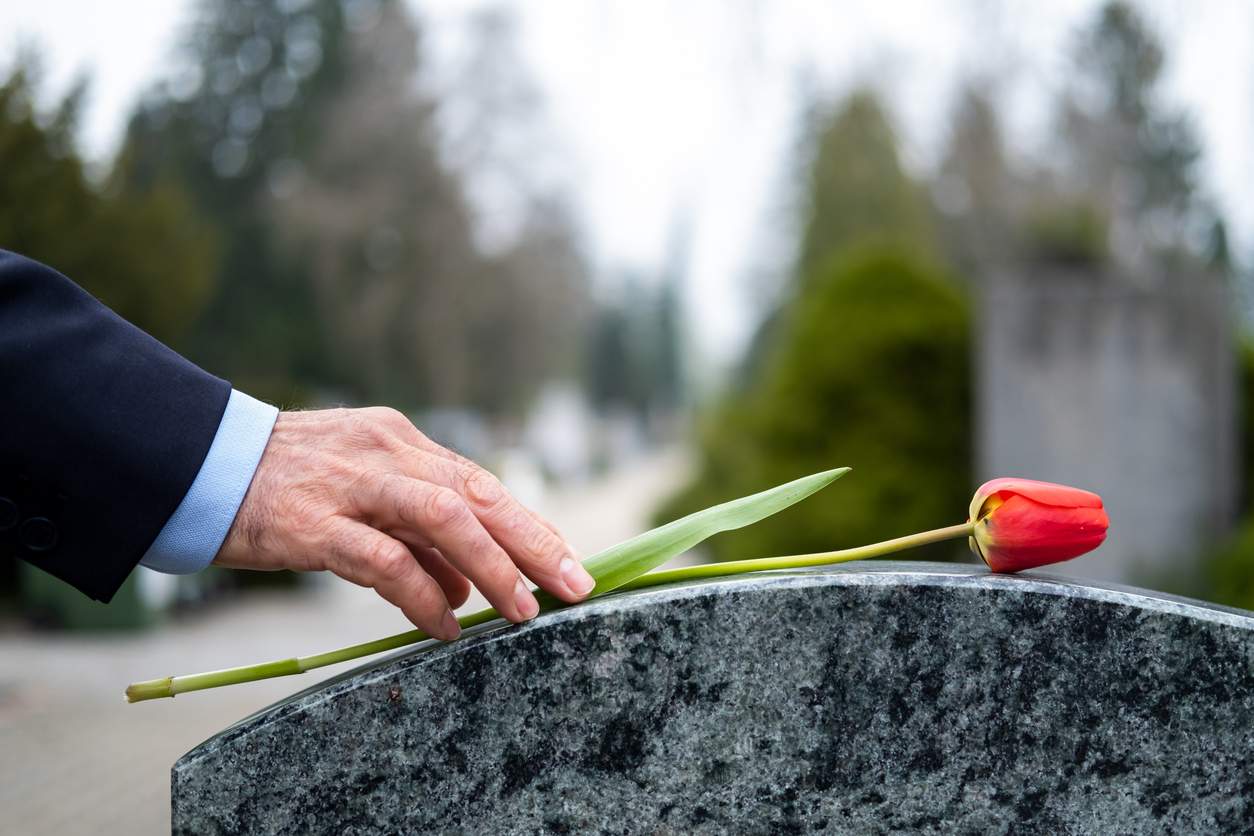
The lock had rusted shut, so I had to pry it open with a kitchen knife. I was sitting on the floor of my grandmother's empty bedroom, surrounded by open boxes, old newspaper clippings, and a button that had rolled out of a drawer. It was three days after the funeral, and I was carrying the kind of exhaustion that no amount of sleep can fix. My mother was downstairs making coffee. I had told her I wanted to check what was inside the big pine chest — the one nobody had ever opened while my grandmother was alive.
On top there was a crocheted tablecloth, and underneath it, winter coats, moth-smelling wool, and a pair of patent leather shoes with cracked leather. Right at the bottom, I found a brown envelope tied with a piece of twine. No writing on it — just a faint, smudged postmark.
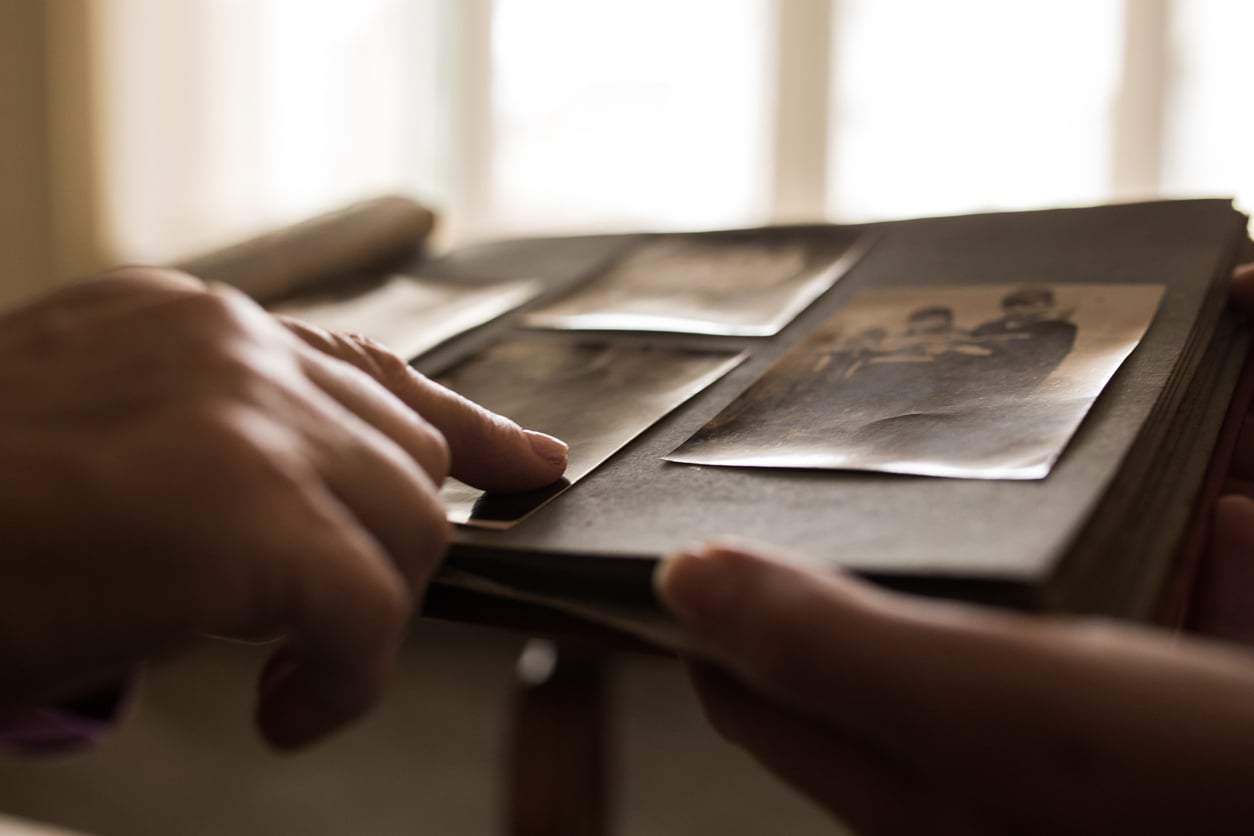
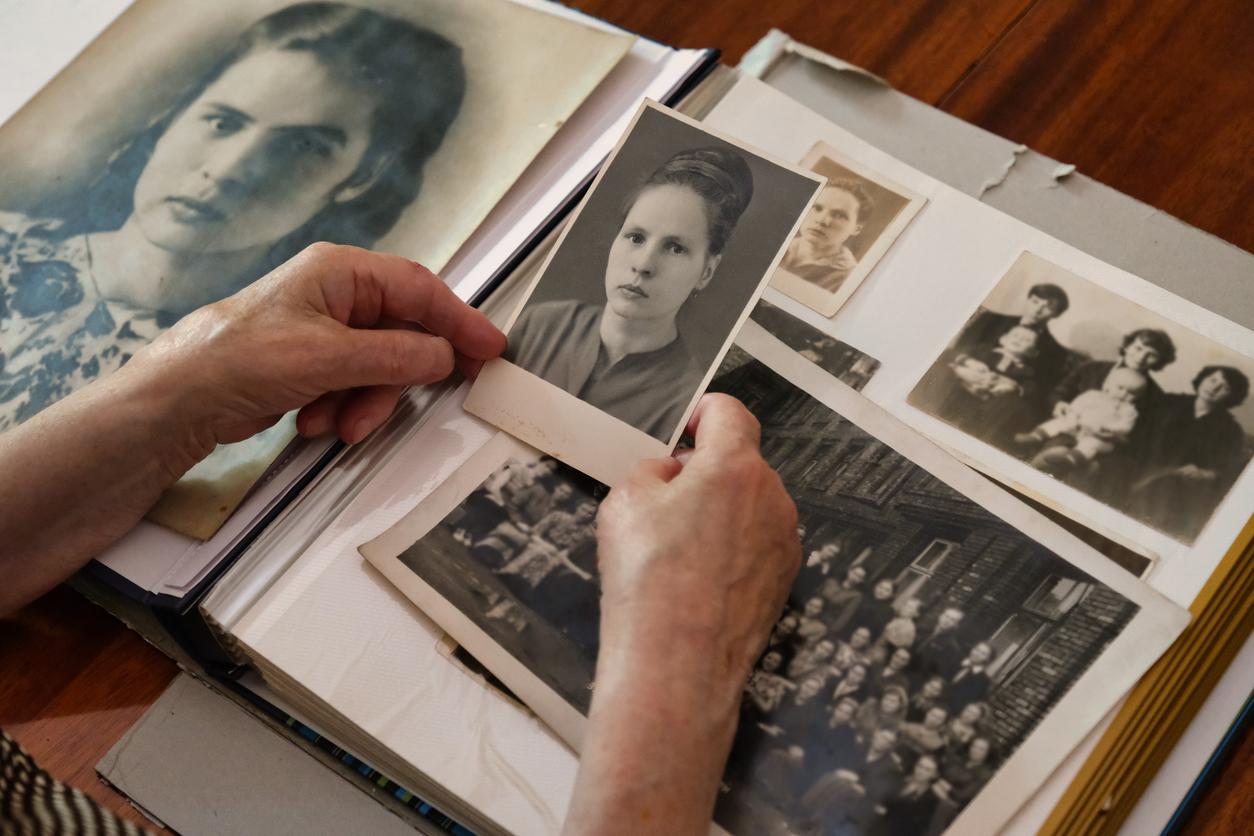
I opened it, and a stiff, yellowed wedding photograph slid out: a young woman in a veil, standing beside a man I had never seen before.
It wasn't my grandfather. I was certain of that — I had seen his face in a thousand photographs. This face was a stranger's: narrower, a different jaw, a different way of holding himself.
I turned the photo over. A name was written on the back in blue ink, faded but legible: Eszter. Nothing else. No year, no surname, no explanation.
The photograph that turned the past upside down
I carried it downstairs and set it on the table in front of my mother, next to her coffee cup. That was when she started talking. She said my grandmother had had a sister who was never spoken about in the family — the sister had left after the war and never came back. I assumed that was the whole story: a relative who moved abroad, the kind of thing that happens in every family. But my mother kept going, and her voice changed, dropped lower, as if she were afraid of being overheard by someone who could no longer hear anything.
It turned out that Eszter wasn't my grandmother's sister at all. She was her mother — my great-grandmother — a woman who had raised her own daughter as her younger sister for years.
I sat there with my cold coffee cup and tried to rearrange everything I thought I knew about myself. My grandmother — the woman who rocked me to sleep as a little girl, who made homemade pasta with cottage cheese every Sunday, who never once spoke about her own mother — had carried this secret and the grief bound up in it her entire life, because silence felt easier than the alternative.
A family secret kept across generations
My mother told me she had only learned the truth as an adult — from an aunt who let it slip at a family gathering over a glass of wine, assuming everyone already knew. My mother had been carrying it ever since, never asking my grandmother about it directly, afraid that bringing it up would reopen a wound that silence had somehow allowed to heal.
Now here was this photograph in front of me: a woman who had somehow had to give up openly being a mother to her own child — or perhaps chose to raise her as a sister because that was the only way to survive whatever had happened. I don't know the full story of what Eszter's life held, or why she couldn't claim her motherhood openly. My mother only knew the outline, but even the outline was enough to take my voice away for the rest of the afternoon.
Family secrets like this one are more common than most people realize. If stories like this resonate with you, you might find it worth exploring what other silences might be buried in your own family history.
A photo I still can't quite look at the same way
I keep the photograph in a drawer now. I haven't displayed it anywhere, and I haven't shown it to anyone else in the wider family. Sometimes I take it out and study the face — a face that resembles mine slightly, around the jaw — and I try to imagine what that wedding day felt like, how little she could have known then about what was coming. I don't know what to do with this knowledge, other than hold it. It lives in me now, the same way it lived in my grandmother her whole life — quietly, locked inside a chest she may have never truly wanted anyone to open.
Did family secrets like this one really stay hidden so long?
Yes — more often than most people expect. Before DNA testing and digitized records, a determined silence within a family could hold for generations. Children raised under false identities often never learned the truth at all.
Why would someone raise their own child as a sibling?
The reasons varied — unmarried motherhood, wartime trauma, extreme poverty, or social stigma could all make an open acknowledgment of parenthood feel impossible or even dangerous. Passing a child off as a younger sibling was one of the few options available to women in those circumstances.
Should you share a secret like this with the rest of the family?
There's no single right answer. As the article reflects, the choice to keep the photograph private is its own kind of honoring — both of the secret and of the people who carried it. What matters most is giving yourself time to process the discovery before deciding anything else.
What if you find something similar in a family member's belongings?
Start by talking to the oldest living relatives who might have context. Even fragments of information — a name, a date, a place — can help you piece together a clearer picture, and can make the weight of the discovery feel less isolating.