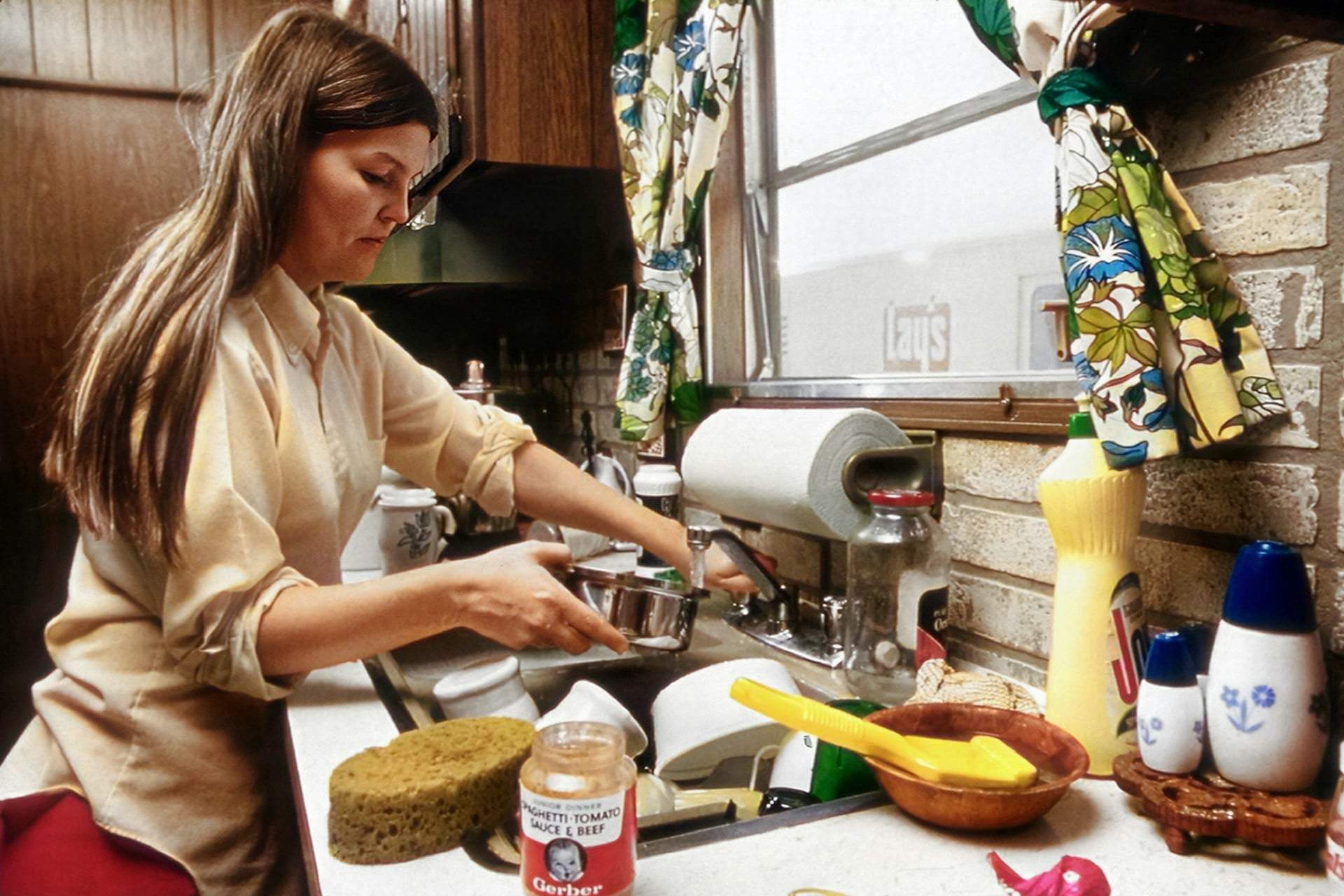
Some of us simply love having order around us and find joy in everything being in its place. But often, excessive cleaning urges are linked to deeper emotional factors that may point to past traumas or emotional struggles.
We often find that cleaning becomes a way to escape reality. Just as no room can be left messy, we try to avoid the inner chaos. This behavior acts as a self-protective mechanism, helping us feel in control in an otherwise uncertain environment.
Cleaning as an Escape Route
Many of us find refuge in creating the illusion of a clean and organized space around us. Behind these habits, past traumas or crises often lie. For example, a child raised in a chaotic and unstable family environment might grow up trying to control life through compulsive tidiness. It’s easy to see how this inner need helps maintain a sense of safety and calm.
Psychology tells us that excessive tidying isn’t just a surface habit but reflects deeper emotional dynamics.
Feelings like anxiety, fear, or worry about losing control often come into play. This behavior seems to be a way of healing emotional wounds caused by past trauma.
Why Do We Feel the Need to Clean?
Cleanliness and order symbolize calm, safety, and predictability—things we might be missing in life. Often, this stems from childhood surrounded by upheaval and uncertainty.
When we can’t emotionally handle chaos, we try to control our environment, aiming to create military-like order at home. But this only masks deeper issues. Avoiding reality offers just temporary relief from daily stress and anxiety.
The situation worsens because society often equates a tidy home with a good person, pushing us to keep our homes magazine-perfect. To meet this expectation, many of us tend to go overboard.

How to Move Beyond Compulsive Tidiness
There are many ways to ease the urge to over-clean and dive into the emotional storms inside us. The first step is recognizing and accepting our feelings and motivations.
Building self-awareness and emotional intelligence is key. Mindfulness practices like meditation and breathing exercises help us understand our inner states better. Therapy can also provide valuable support on this journey.
- Identify the fears and anxieties within you.
- Seek professional support, such as a psychologist or therapist.
- Develop healthy habits to manage daily stress.
- Allow yourself to embrace imperfection.
Recognizing the Traumas Behind Compulsive Tidiness
Starting emotional healing means building a strong sense of self. Mending past wounds and exploring your emotional world are vital for restoring mental balance. Don’t hesitate to ask for help and begin uncovering the feelings behind your cleaning habits.
Ultimately, compulsive tidiness reflects our emotional vulnerability. Letting go of the need for perfection opens the door to inner peace and true freedom.