Hair oiling isn’t just a passing trend; it’s a centuries-old South Asian beauty ritual that’s now embraced in Western self-care. But what exactly does it involve? Practically, it’s an Ayurvedic ritual where oil is massaged into the scalp before washing to nourish hair roots and support stronger, longer hair. But it’s more than that. It’s a mindful moment of self-care, a loving pause just for you. Curious why so many highlight hair oiling as a secret to radiant, healthy hair? Keep reading!
Oiling Is an Act of Love
“‘Sneha’ means both love and oiling,” says Akash Mehta, co-founder of Fable & Mane with his sister Nikita. Inspired by their Indian roots and childhood stories, he explains, “In Ayurveda, self-love starts literally at the crown of your head.”
For them, hair oiling was more than a beauty ritual: as kids, their grandmother massaged oils into their scalps while sharing legends of India’s plant and animal worlds. This ritual soothed them and connected tradition with personal care.
Why Is Hair Oiling So Popular Now?
Hair oiling has returned as part of a broader self-care wave, gaining wider attention—like in Bridgerton’s second season, where Kate Sharma tenderly massages oil into her brother’s scalp. That scene showed hair oiling’s emotional and cultural depth—not just surface care.
Plus, it’s a super healthy beauty habit: it conditions, nourishes, and creates a thriving environment for hair growth, naturally becoming part of many weekly routines.
Is Hair Oiling Really Good for Your Hair?
Yes! Many experts agree. Anita Kaushal, co-founder of the UK’s Mauli Rituals Ayurvedic brand, says it’s natural to nourish the scalp with oil just like we hydrate skin or care for our bodies. Regular hair oiling can improve hair quality, making it look thicker and healthier. After use, hair feels fuller, softer, and shinier.
Akash and Nikita’s journey started personally: when Nikita noticed thinning hair as an adult, they crafted their own oil blend with Ayurvedic ingredients. “During hair loss and stress, we remembered the power of these traditions,” says Akash. He adds that the head is the nervous system’s center, so scalp massage is part of Ayurvedic daily routines. Massaging oil relaxes the mind and stimulates hair follicles.
Which Oils Work Best?
Almond Oil
Rich in vitamin C, it supports hair growth and soothes dry, itchy scalps.
Ashwagandha
An Indian adaptogen with anti-inflammatory benefits that helps thicken hair.
Castor Oil
Traditionally used to calm the scalp and encourage hair growth.
Dashmool
Improves scalp circulation; often blended with other plants like almond.
Bhringraj
Packed with nutrients like iron, magnesium, and potassium that support hair health.
How to Do It Right
Like most ancient rituals, take your time and be intentional. The Mehtas follow the abhyanga principle—self-massage that expresses self-love. Start at the crown (the energetic point at the top of your head) to release tension from the roots up.
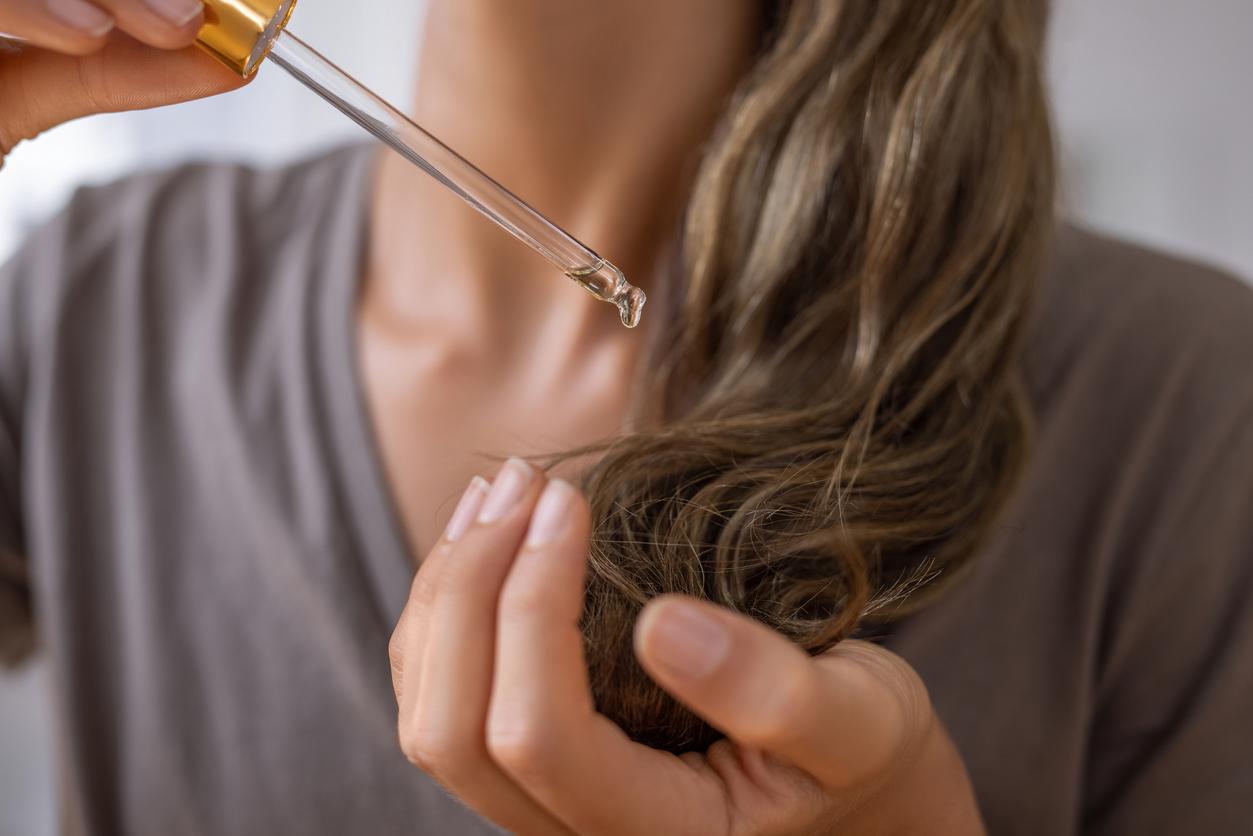
Warm a few drops of oil in your palms, apply to the crown on dry hair, then gently massage into the scalp.
Comb the leftover oil through your ends. Michelle Ranavat suggests doing this before showering or bedtime, leaving the oil on overnight for deep nourishment, then washing it out the next morning. This turns hair oiling into a calm, caring ritual—not a quick fix but a regular act of love.
Hair oiling isn’t a new discovery. Like yoga, the “namaste” greeting, or turmeric lattes, it’s rooted in centuries of wisdom from Indian culture that’s now part of global lifestyles. As it gains wider appreciation, it’s best seen not as a trend but as a lasting, grounding ritual.