Japan
In Japan, a handshake isn’t the everyday greeting like in many Western countries. Instead, bowing expresses respect and politeness. This ancient custom reflects hierarchy, age, and social status. When handshakes do happen, they’re usually gentle and brief. Here, the angle and depth of the bow speak volumes about the level of respect.
If you meet someone from Japan, it’s best to wait for them to offer a handshake, as they may feel unsure about practicing this Western custom.
Thailand
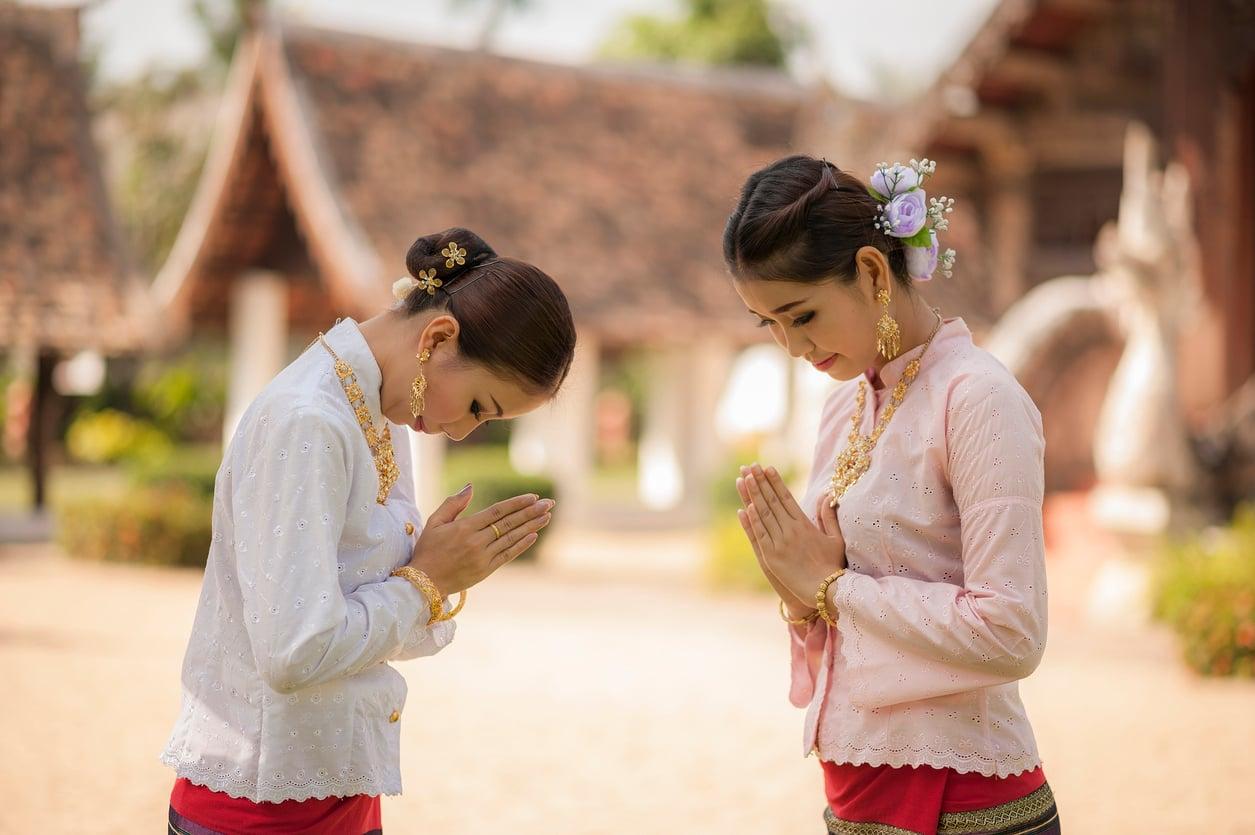
In Thailand, the common greeting isn’t a handshake but the “wai.” This involves pressing the palms together and giving a slight bow, a key way to show humility and respect. The depth of the bow varies depending on the other person’s age and social status, adding layers of meaning to the gesture.
A Thai person might be surprised if you immediately offer a handshake, as it’s mostly reserved for business meetings, even when foreigners are involved.
India
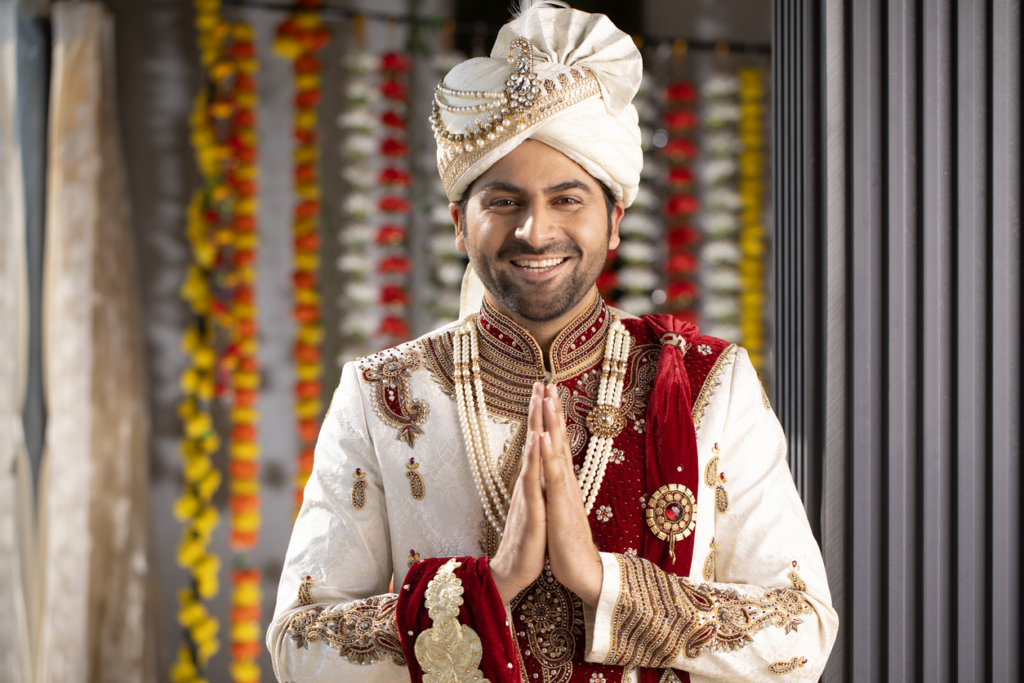
Among India’s many cultural traditions, “Namaste” is the most well-known greeting, replacing the handshake. It involves pressing the palms together at the chest and giving a gentle bow. This gesture shows respect and means “the divine in me honors the divine in you.”
Instead of a handshake, this gesture is recommended, especially in communities that value tradition, as it’s more warmly received.
Russia
In Russia, handshakes are common but follow specific rules. A firm handshake is standard, though it’s not always expected with women. Also, handshakes should be brief—holding on too long can signal distrust or aggression.
It’s important to know that women usually don’t initiate handshakes, so understanding this helps maintain proper etiquette.
China

In China, handshakes are part of formal greetings, often gentle and longer to emphasize the importance of the relationship. Chinese people often combine handshakes with bows, creating a unique cultural blend in many settings.
Note that overly long or vigorous handshakes may be seen as inappropriate; here, showing respect with restraint is key, as respect remains the heart of communication.