Which Tree Has the Smaller Carbon Footprint?
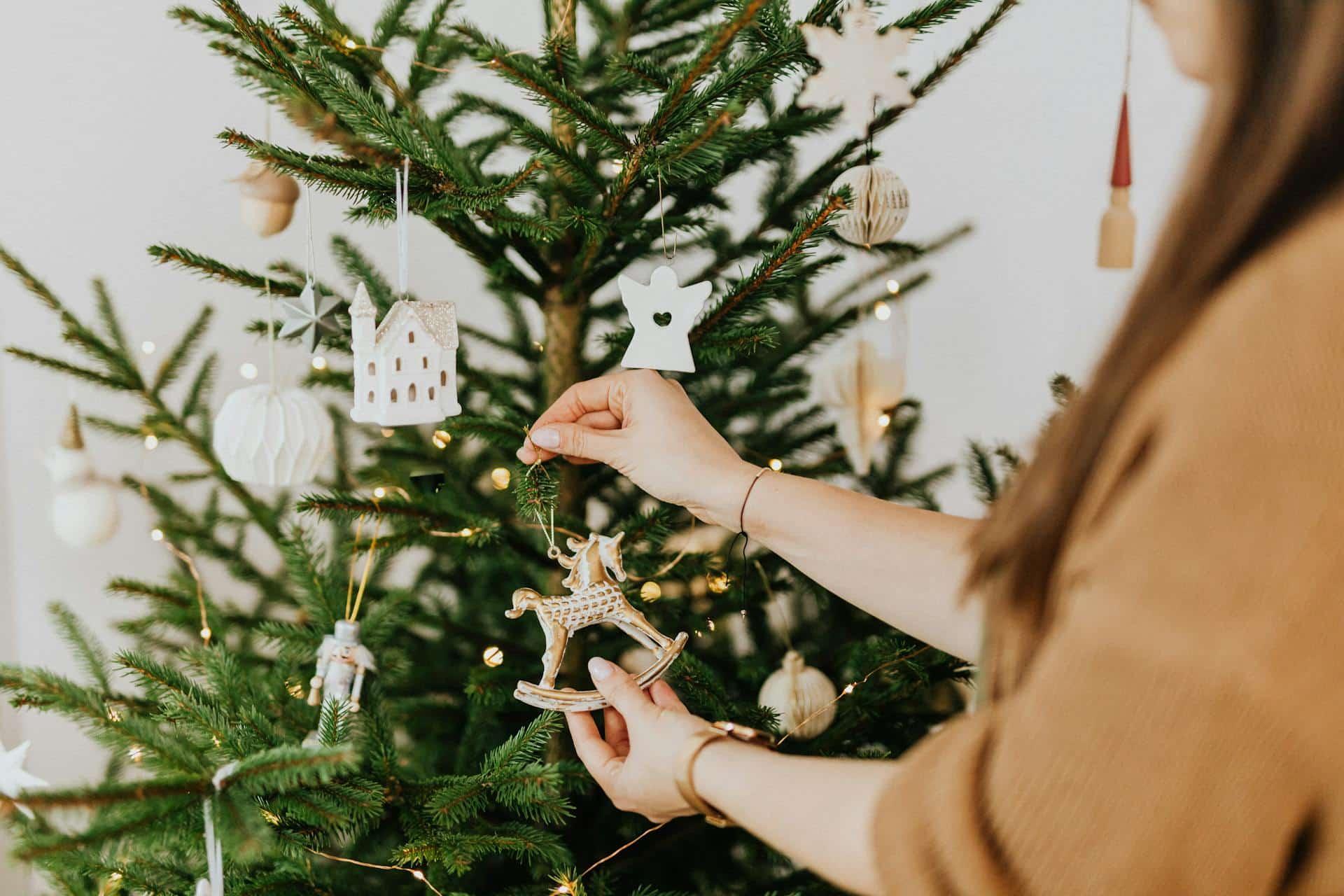
Before we answer, let’s be clear: from an environmental perspective, the best choice is no tree at all. If you’re aiming for the greenest path, that’s it. But we get it—there’s something special about having a tree during the holidays. Many people feel that if they’re careful about the environment otherwise, they can allow themselves this little joy, especially if they pick a more eco-friendly option.
So, which one is it?
Since artificial trees last for years, they seem like a durable, eco-friendly choice—but the answer isn’t that simple.
Looking at the carbon footprint, real fir trees still come out ahead with less environmental impact. Of course, where they come from and what happens to them afterward matters. For real trees, transportation is the biggest factor increasing their footprint. So, first step: make sure you buy from a local seller.
According to The Carbon Trust, a two-meter (about 6.5 ft) real tree sold without roots and ending up in landfill has a carbon footprint of roughly 16 kg of CO₂. The same size tree sold with roots and then reused—burned in a fireplace, replanted, or chipped for mulch—has a footprint of just 3.5 kg, which is four and a half times less.
What About Artificial Trees?
On the other hand, a two-meter (about 6.5 ft) artificial tree has a carbon footprint of 40 kg of CO₂. That means you’d need to use it for at least 10 years to match the impact of a carefully sourced and locally bought real tree. Even then, it wouldn’t be less harmful to the environment—it just evens out. Only after that, with continued use, does the artificial tree start to show an advantage. But most artificial trees don’t last that long.
The organization advises that if you want a tree, go for a real one from a local or the closest possible grower. Make sure to recycle it properly, like dropping it off at a designated collection point. If you prefer an artificial tree, choose a high-quality one you’ll use for many seasons.
What About Deforestation?
It seems obvious that cutting down trees isn’t eco-friendly, but Christmas trees are a special case.
These trees come from farms specifically grown for this purpose—not from natural forests. Since sellers know they’ll have customers next year, they immediately plant new trees to replace those cut down.
A two-meter tree takes about 10 years to reach that height, meaning the planted tree has been filtering the air for a decade.
If there wasn’t a market for real Christmas trees, they probably wouldn’t be planted at all. Instead, the land might be used for parking garages or warehouses.
What Should You Do If You Already Have an Artificial Tree?
The golden rule in environmental care is: if you’ve already bought it, use it, reuse it, and get the most out of it instead of throwing it away. If you already have an artificial tree at home, the best thing for the environment is to keep using it as long as you can. Its production has already caused environmental impact, which won’t decrease by tossing it out. But as long as you use it, you avoid the extra pollution from buying a new tree—real or artificial.