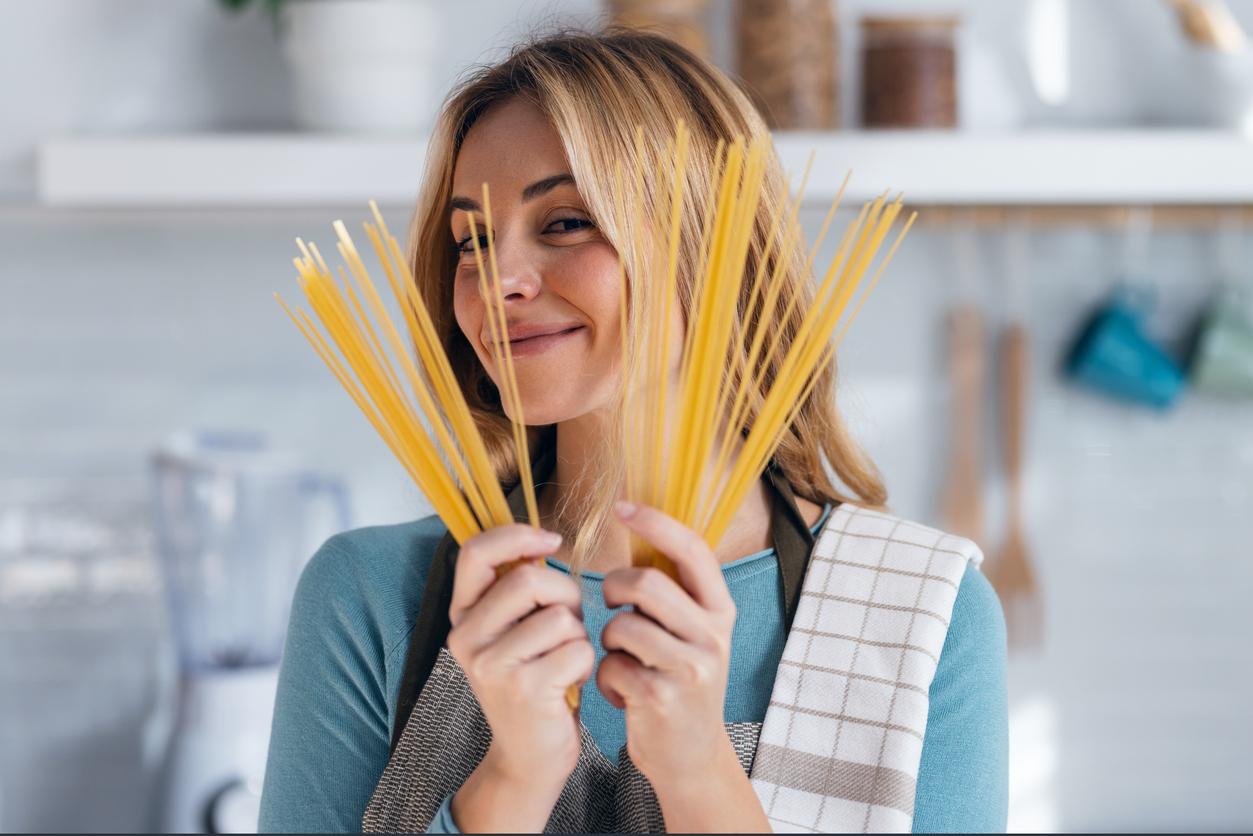
Let’s be honest, most of us don’t have time to make fresh pasta from scratch every time. On busy days, it’s a huge relief to grab a bag of pasta from the shelf, drop it into boiling water, and serve it with your homemade sauce in minutes. Quick, convenient, and reliable.
But chefs often remind us that skipping fresh pasta making isn’t always the best choice. Is fresh pasta really better, or just a tasty myth? Here’s what the experts say.
What’s the difference between fresh and dried pasta?
The difference isn’t just in the ingredients but mainly in how they’re made and processed. While many fresh pastas include eggs, this isn’t a strict rule—there are egg-free fresh options, and some dried pastas also contain eggs.
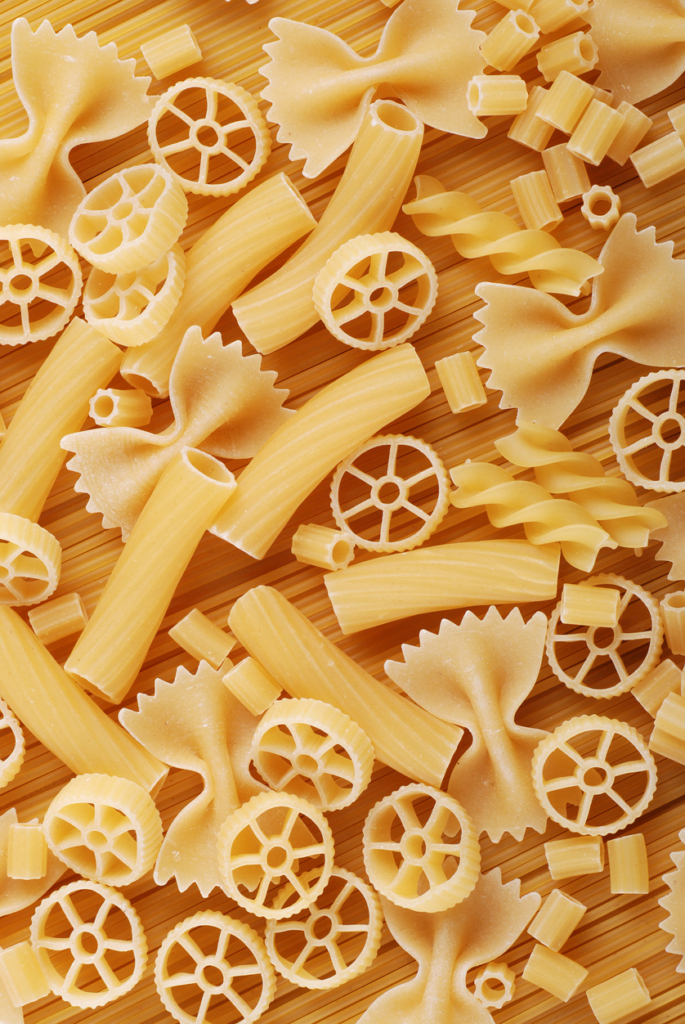
Classic dried pasta is usually made from durum wheat flour and water, then carefully dried to ensure long shelf life and a firm, elastic texture. Fresh pasta, on the other hand, has higher moisture content, a softer structure, and a much shorter shelf life. This affects how they cook and which sauces they pair best with.
Chefs agree: the choice depends on the dish
Most professional chefs agree there’s no clear winner. It all depends on what you’re cooking. Fresh pastas, especially egg varieties, shine with delicate, creamy sauces made with butter or cream, and are perfect for filled pastas like ravioli or tortellini. Here, softness and elasticity are key.
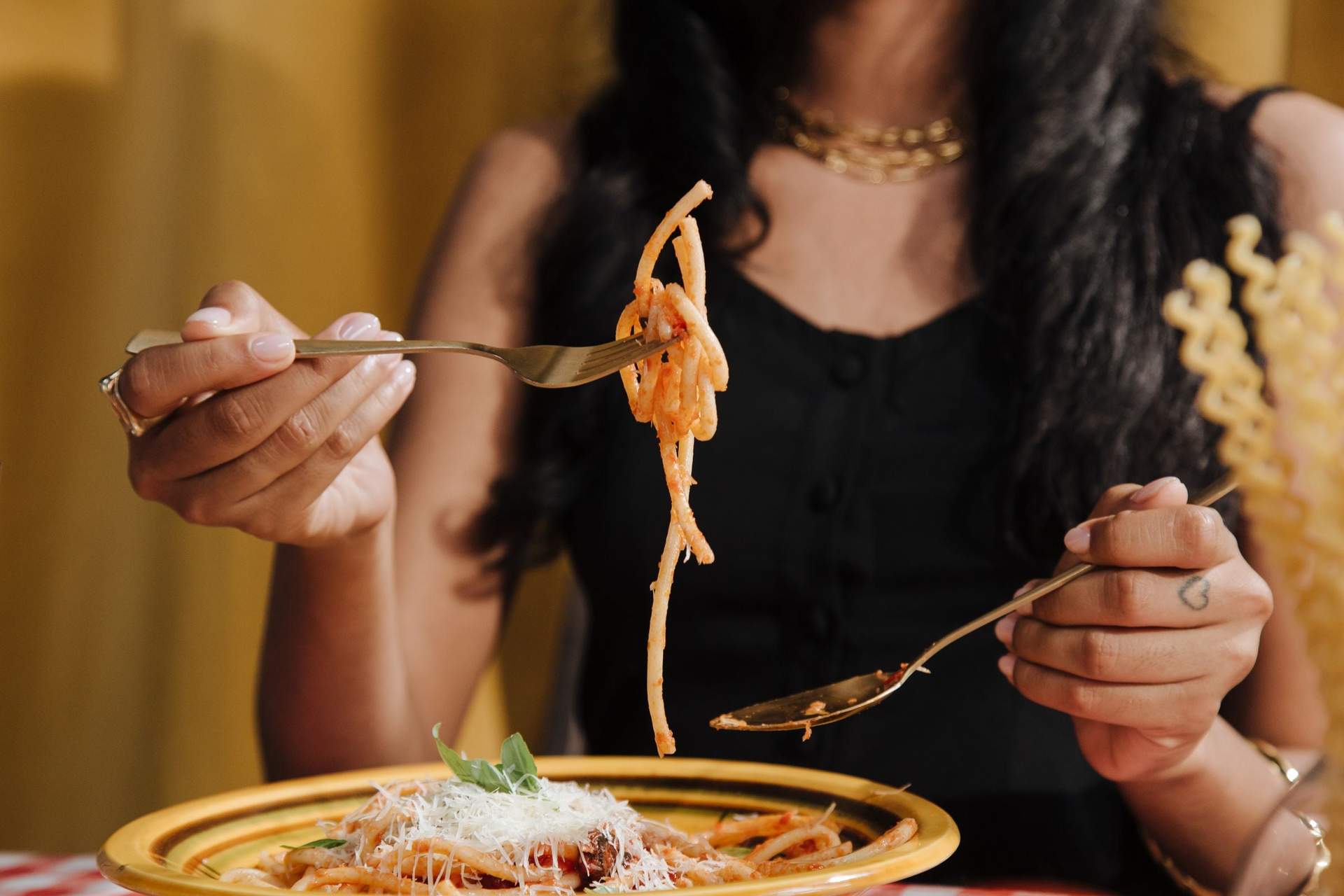
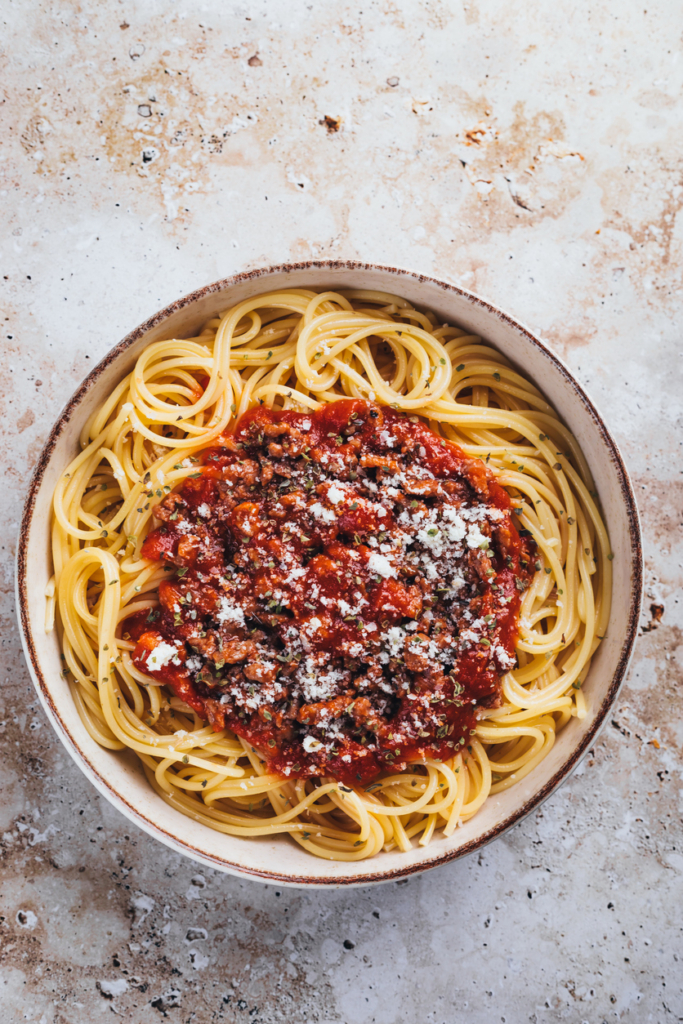
Dried pastas hold up better with bold, hearty sauces. A well-cooked spaghetti or penne perfectly carries tomato-based, meaty ragùs, and its al dente bite offers a satisfying, structured texture.
Texture and experience: where the two worlds truly part
Fresh pasta offers a silky, tender texture that almost melts into the sauce, creating an elegant, restaurant-quality feel. Dried pasta has a firmer structure and, when cooked right, stays pleasantly elastic with a slight chew.
Many chefs say that the al dente experience is exactly why dried pasta can sometimes be the better choice. Others highlight fresh pasta’s richer, often eggy flavor that adds extra depth to a dish.
Time, convenience, and kitchen reality
For everyday life, dried pasta is hard to beat. It keeps for a long time, is always on hand, and needs minimal prep. After a long day, that convenience often wins.
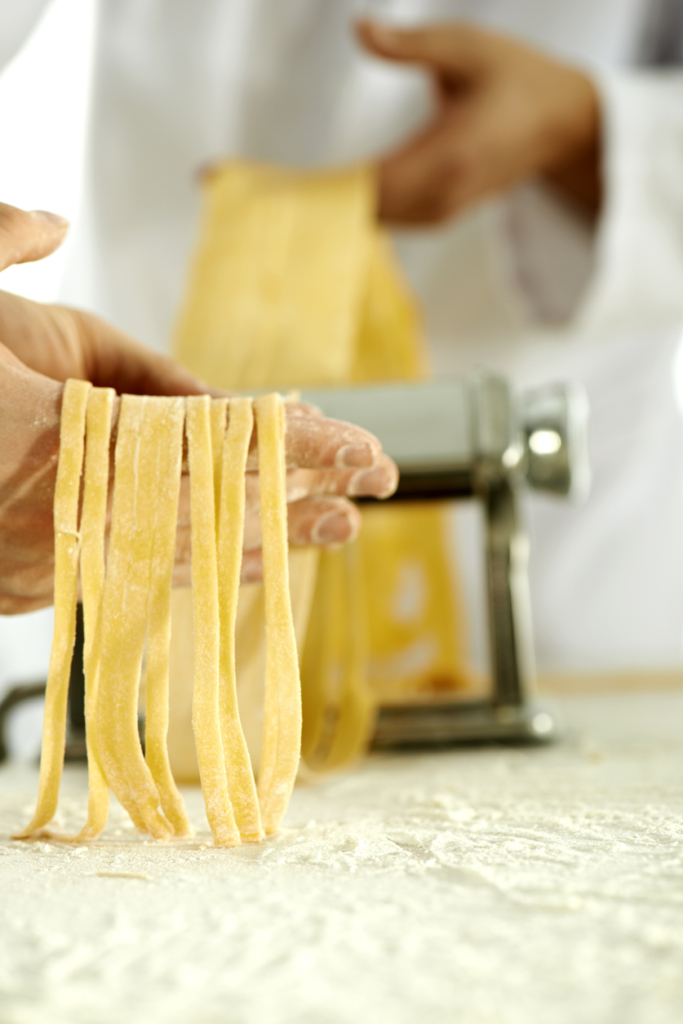
Making fresh pasta takes more time and effort: kneading, resting, rolling—it demands attention and some skill.
Still, many chefs emphasize that the process itself is part of the joy, and for special meals, it’s well worth it.
By the end of the debate, it’s clear that fresh pasta isn’t "better" and dried pasta isn’t "worse"—they’re just different. The key is knowing when each shines. For a quick, reliable meal, dried pasta can’t be beat. But when you want to turn a meal into a real experience, making and enjoying fresh pasta takes your cooking to a whole new level. The best choice? Use both wisely, depending on the moment.