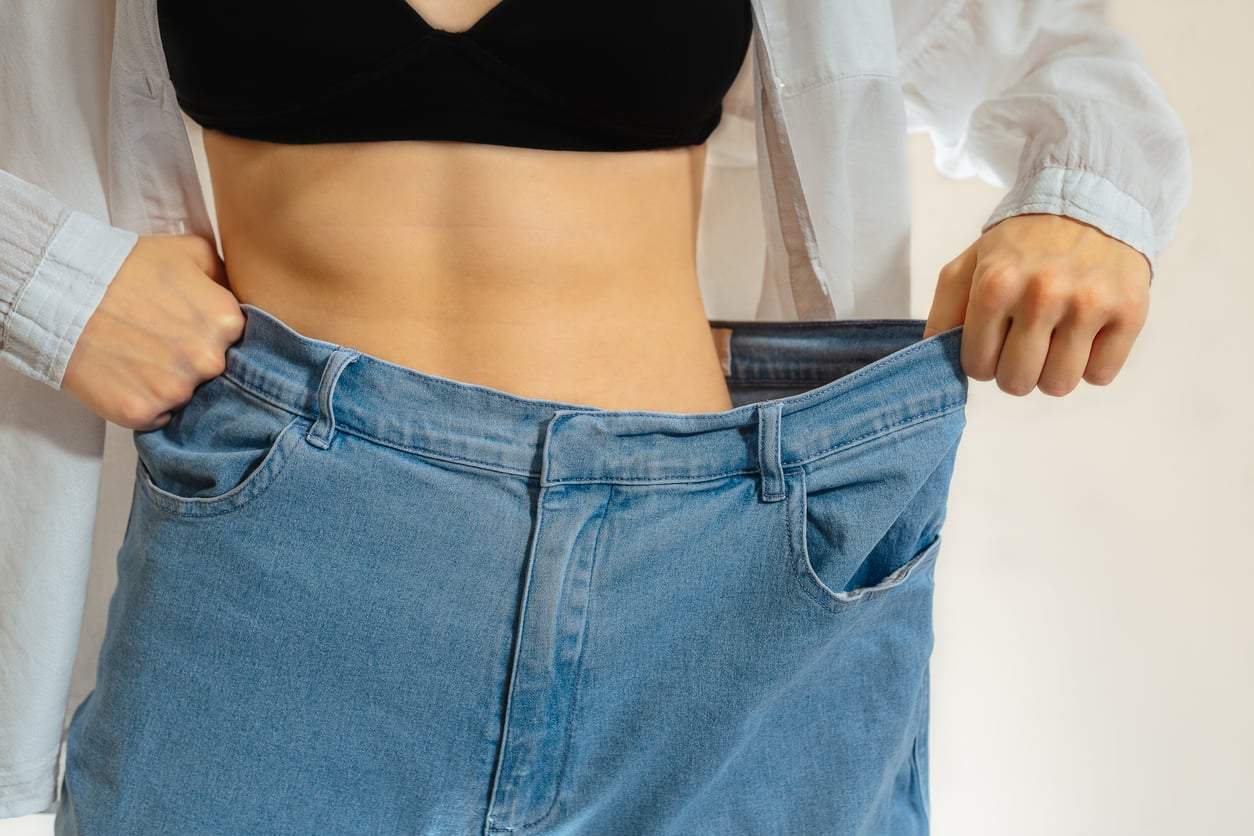
You might have noticed that while your taller friend can easily skip a treat, as a shorter woman, you often struggle to shed every single pound. So, what’s behind this? The answer lies in biology. Shorter women need less energy to keep their bodies running daily, so naturally, they require less food to maintain or lose weight.
How Your Body Uses Energy
Our body’s energy use is a fascinating, complex process influenced by many factors. Basal metabolic rate—the minimum energy your body needs to function—plays a big role in how much you can eat without the scale moving up. Naturally, shorter people need less energy because their bodies weigh less.
This means if two people—one tall, one short—eat the same amount, the taller person is less likely to gain weight.
Shorter individuals need to watch their calorie intake more closely since extra pounds show up faster for them.

Diet Mindset Matters
Building healthy diet habits can be tougher for shorter women. Even small calorie surpluses can lead to noticeable weight gain over time.
For example, while cutting 500 calories a day might help most people lose about one pound (0.5 kg) a week, shorter women may need to make even bigger adjustments to see significant results.
That’s why finding the right calorie balance to maintain or lose weight can be trickier. Keeping a food diary can be a game-changer, helping track intake and spot where things might be going off track.
How Hormones and Height Connect
Height and hormones also play a key role in weight loss. Shorter women may face hormonal challenges that affect weight management and fat loss.
Factors like insulin sensitivity, thyroid function, and estrogen levels all influence fat breakdown and body composition.
Even small hormonal shifts can seriously impact results. So, if you’re short and struggling to lose weight, it’s worth consulting a doctor to rule out hormonal issues.

Why Exercise Is Key
Knowing all this, it’s clear how important regular exercise is—especially for shorter women.
A well-planned workout can boost your metabolism and increase calorie burn, supporting long-term weight loss.
Strength training not only builds muscle but also revs up your resting metabolism, so you burn more calories even after your workout. Plus, cardio exercises improve heart health and make fat burning more effective.
Mental Factors Matter Too
Last but not least, mental health plays a big role in the weight loss journey for shorter women. Emotional eating, stress, and anxiety can all make losing weight tougher. Social pressures and low self-confidence can also get in the way.
Practicing mindfulness can help manage stress and reduce emotional eating. Meditation, yoga, and breathing exercises are great tools to support mental balance and keep you feeling strong.