For as long as I can remember, I’ve heard and read everywhere that "carbs are bad," and if you want to lose weight, you should eat as few of them as possible. This idea was so deeply ingrained in the public mind that I never even questioned it for a long time. So, when I wanted to lose weight, I aimed to eat very few carbs, but I didn’t set strict limits on fat intake.
The result? I was constantly hungry and barely lost any weight, and even that was only temporary. I had pretty much accepted that "this is how I’ll stay," since I only wanted to lose 3-4 kilos (about 7-9 lbs), and I thought I could live with that. I didn’t want my life to revolve around dieting. Then, after a health scare, I started paying more attention to my diet and lifestyle, which led me closer to a plant-based way of eating.
That’s when it hit me: health organizations worldwide actually recommend getting most of our energy from carbohydrates, with fat and protein nowhere near the top.
After that, it almost randomly came to my attention that fat contains more than twice the calories of protein or carbs. So why do we insist on cutting carbs so much?
Types of Plant-Based Diets
Later, through focused study, I realized that our bodies use energy from carbs much more efficiently and store far less of it than we were led to believe. By then, I already had years of experience eating according to plant-based principles before I officially started studying the diet.
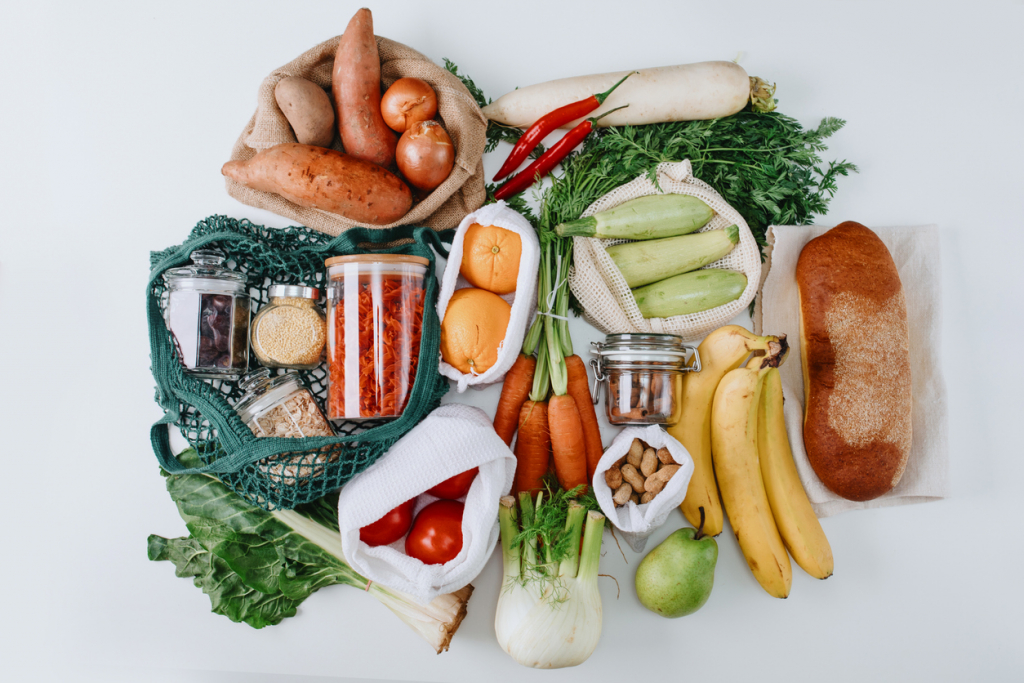
The foundation of a plant-based diet is simple: only plants on your plate.
No milk or dairy, no eggs, and no meat. But even within plant-based diets, there are variations: some eat only fruits, others only raw foods, and some focus on veganism mainly for animal welfare, not health.
If your goal is disease prevention, healing, or weight loss, aiming for whole, minimally processed foods is essential. Why? Because cola and Oreo cookies are plant-based too—but clearly, they won’t help you lose weight or heal.
So, is it easy to lose weight this way?
I lived for many years on a low-carb diet and could lose weight that way, but it was never easy or truly effective. It simply wasn’t enjoyable or sustainable day-to-day. I always had to watch what, when, and especially how much I ate.
Now, I know from a nutrition science perspective that wasn’t the best choice—especially once I started exercising. Following a plant-based diet, my hunger disappeared completely, my lab results are perfect, I eat joyfully, have tons of energy, and have never been in better shape—even after becoming a mom.
Many people share similar stories on Instagram, including Lexi Tavares, who lost an incredible 70 pounds in just a few months thanks to her plant-based lifestyle.
How and Why Lexi Changed Her Lifestyle
Lexi always thought she was fit and eating healthy. But as an adult, she struggled with body image issues, overtrained, and admitted she had a very unhealthy relationship with food. In her Instagram posts, she shared how food eventually controlled her life.
In 2018, she experienced rapid weight gain like never before. The extra pounds led to deep depression, and she coped by sleeping as much as possible because she couldn’t bear to look in the mirror.
She saw food as a source of happiness and joy, but physical pain from her excess weight made life harder to handle.
The Turning Point
Her life truly changed in 2019 when her sister, who lives far away, invited her for a vacation. She really wanted to go but realized neither she nor her friends had ever seen her so overweight. That motivated her to make a change. She aimed to lose weight by the vacation date, but in the healthiest way possible.
That’s when she discovered a version of the plant-based diet where she ate only fruits until noon, then anything raw or minimally cooked (up to 45°C/113°F) in the afternoon.
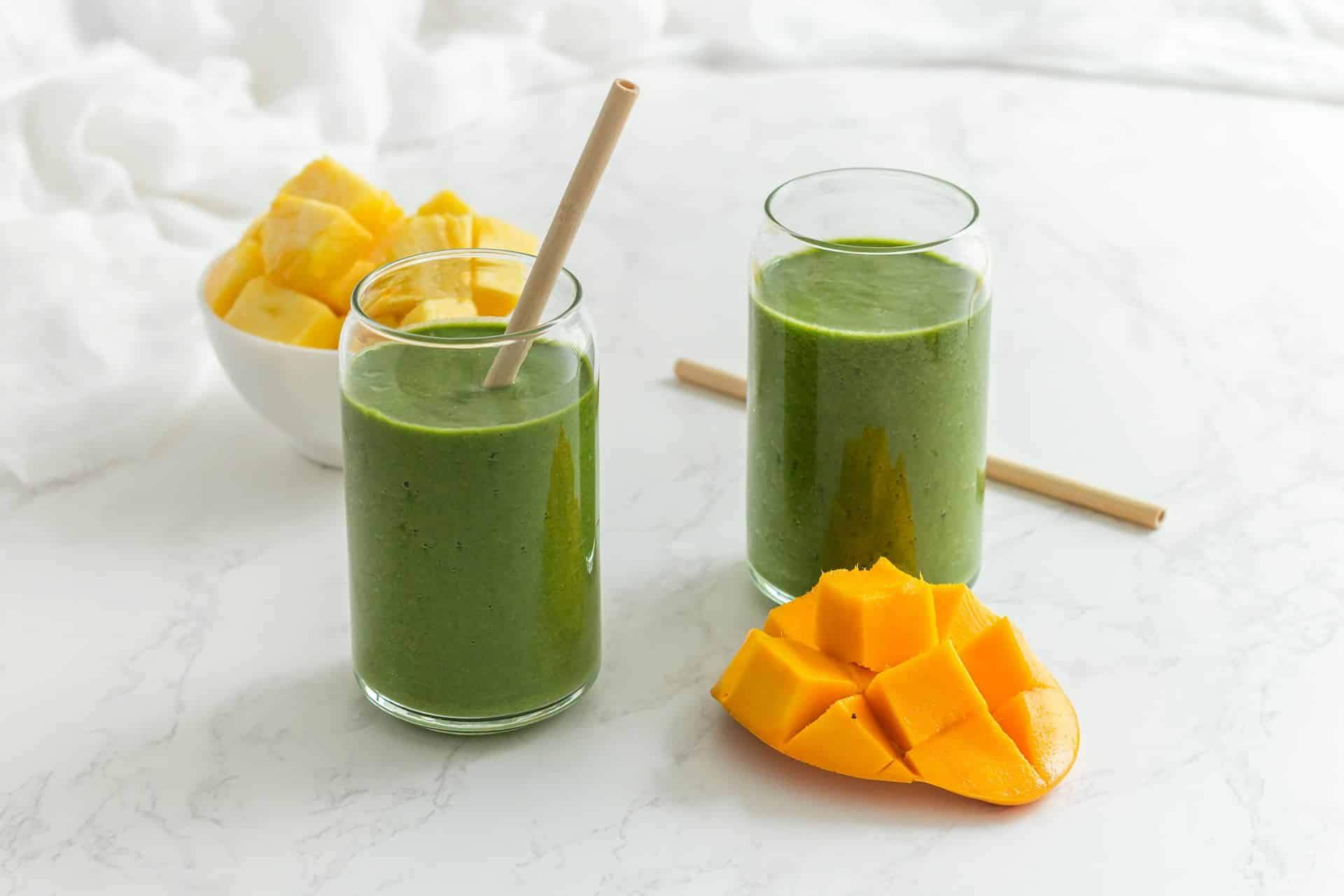
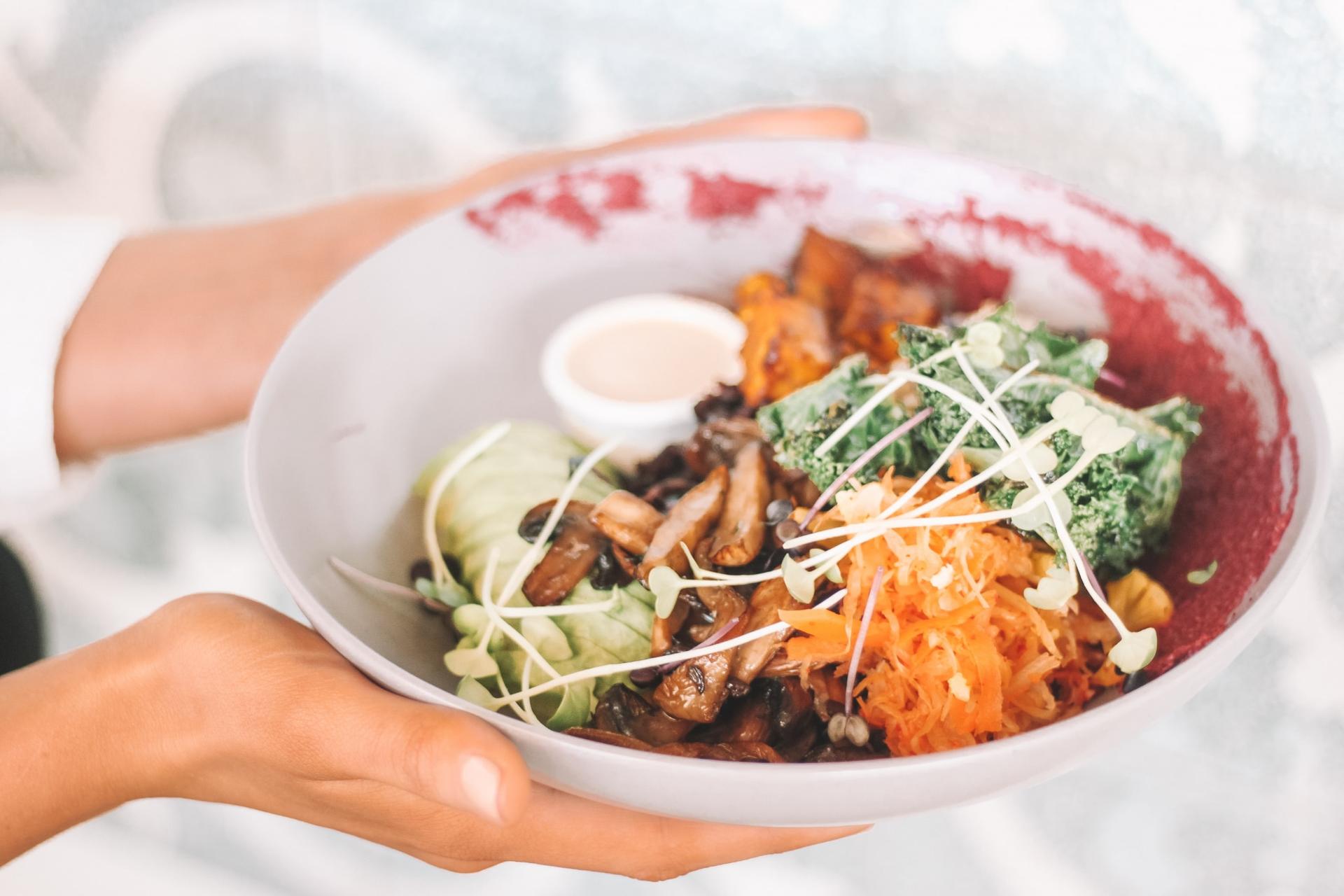
This method worked so well that Lexi’s diet now consists of raw, fresh plants: salads, vegetables, fruits, smoothies, homemade fruit popsicles, veggie pasta dishes, and occasionally a small amount of nuts or seeds.
She says the reason she lost so much weight and why this approach works so well is that she eats when she’s hungry and stops when she’s full. The fresh ingredients give her tons of energy, and this way of eating changed her values and mindset, bringing her into perfect harmony with herself.
The Many Benefits of the Diet
She also reports faster digestion and never feeling tired after meals. Instead, she feels refreshed, ready to take on the day, and full of creativity.
Her new lifestyle helped her feel important and valuable, helping her overcome depression—and she achieved the figure she always wanted.
Lexi believes switching to a plant-based diet completely transformed her life inside and out. Now she does what she loves and understands how to nourish her body to heal, maintain itself, thrive, and achieve anything she wants.
More importantly, she fully understands cravings for unhealthy foods and where giving in to temptation leads. She also says she finally knows how to love herself as much as she deserves.
Lexi’s Path Isn’t the Only One
A plant-based diet doesn’t have to be this strict—your daily meals don’t have to rely solely on fresh fruits and vegetables. For many, like Lexi, this works amazingly well, but for others, especially without proper knowledge, it can be intimidating.
The good news is that whole grains and foods made from them fit perfectly into a whole-food plant-based diet. Vegetables and fruits can be enjoyed raw, cooked, as sauces, mixed, or combined.
Then there are exciting spices, nuts, legumes, and more. Considering there are about 70,000 edible plants to choose from, it’s clear the options are anything but limited.