This time, though, a planned surgery pushed everything else aside. I know many people go years without leaving the country—we’ve had long stretches at home too, like when we were building our house or welcoming a baby. But this time, I missed traveling more than usual. The flood of negative news, the public mood, the comments, the expressions at the store... I tried to avoid it all, but couldn’t—especially because of my profession: I feel it’s my duty to pay attention, read, and analyze.
After a while, I got tired. First, I checked fewer news sites, then I went on a news blackout, only to start browsing again and decide to step back once more… I noticed this whole vibe had seeped into my personal life and daily routine. I tried different approaches: breathing exercises, focusing on gratitude, self-awareness group sessions. They helped, but not always and not completely.
Abroad, but Still Feeling at Home
My dad lives just half an hour from the Hungarian border, and visiting him in summer has been a tradition for years. The grandkids get to be together, enjoy the freedom, the countryside, the endless snacks they’re spoiled with, and of course, the local beaches. We parents make the most of the grandparents’ attention to catch a little break.
This year, I was looking forward to the trip not just for the baths, refreshing rosé spritzers, or the garden, but also to finally switch off mentally. I longed physically and emotionally to spend a few days in a different atmosphere.

What I Encountered Surprised Even Me
Our first stop was a small spa café. Behind the counter was a young girl—maybe twenty—who smiled at me with such genuine kindness that I felt a bit shy for a moment. There was nothing forced or exaggerated, just attention and openness. A greeting that didn’t feel like a routine “done and dusted,” but a warm “hi, I’m glad you’re here.” And that made a huge difference.
After we finished our coffee, I returned the tray and thanked her again for the service. She made a point of saying how much that meant to her and how grateful she was.
As we left, an older lady stood at the exit. She looked at us, smiled, and simply said, “I hope you enjoyed yourselves; please come again!” Nothing extraordinary about the moment—but those words caught my attention again. Not just the words were kind, but the tone and her whole presence.
I’m not naive. I know not everyone is like this abroad either, and that a small-town beach probably offers more attentive service than a fast-food place in Budapest. But something stirred inside me. I was surprised, uplifted, and a bit ashamed because I realized how long it’s been since I counted on others’ goodwill.
At the same time, I felt sad that this kind, humane treatment isn’t the norm (and I’m not just talking about hierarchical situations like hospitality).
Smile for a Smile? Maybe It’s Not Just a Fairy Tale
The next day we visited a larger spa, where there were many more people—and I was mentally preparing for the chapter titled “Everyone’s More Impatient Here.” But people didn’t push, grumble, make faces, or complain.
Maybe we were just lucky, or it was the off-season when patience is still common. Or maybe I’ve simply changed a bit and started noticing different things: moments of respect instead of carelessness, kind gestures instead of weariness.
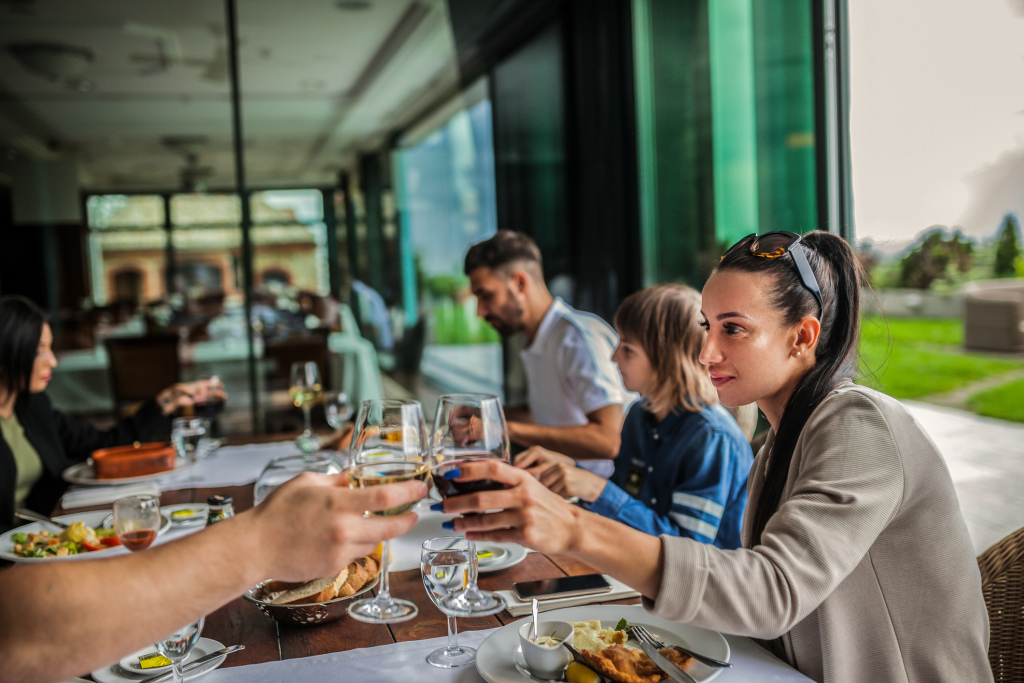
So, Is It Really Just Hungarians Who Seem Grumpy?
We carry so many stereotypes about ourselves: that Hungarians are pessimistic, grumpy, and have a (too) dry sense of humor. That nothing is ever good enough, and everyone complains but no one takes action. I see truth in these stereotypes, but they don’t have to be the whole story.
My friends abroad often say that if you want a really good conversation, it’s with a Hungarian.
We still have self-irony, which has disappeared in many places. It’s hard not to fall in love with this strange, complaining yet beautiful country after tasting goulash, lángos, lecsó, or visiting Lake Balaton. Many mention that Hungarian men are polite, Hungarian women are incredibly wonderful, and that at parties, we’re the ones who barely want to leave at four in the morning. Maybe this contrast is the unique charm of Hungarians? We’re not simple, but colorful, lively, and definitely memorable.
Where to Next, Public Mood?
I don’t want to escape abroad every day from the public mood at home, but it felt so good to experience a day that felt different. It was refreshing to believe that the news doesn’t shape reality alone, and to remind myself that I have power over my mental state. Over who I am and how I relate to others.
People might not smile back or be as kind as I try to be—but then I’ll know it’s harder for them. Because I only feel this vibe when I meet them, but they might live with it all day, everywhere.
Not everyone will smile back every day, but maybe if we try more often, waiting in line, morning traffic, or an overheated summer beach will feel a little easier. If nothing else, it’ll be easier for us just knowing we tried.