There are very few conversations in pet ownership as difficult — or as avoided — as the one about money. Because when your dog or cat gets seriously ill, it stops being about numbers. It becomes about love, responsibility, guilt, and the terror of loss. It becomes about a family member. And in that moment, even asking the question feels almost cruel: is there a point where we simply can't — or won't — spend any more?
But I think we need to talk about it. Because the truth is, most pet owners do have a limit somewhere. Not necessarily a limit on what they would spend if they could — but on what they can realistically afford. And no matter how uncomfortable that sounds, pretending that limit doesn't exist doesn't make it disappear.
When you adopt or buy a pet, you take on real responsibility. That means more than cuddles and cute photos — it means veterinary costs, unexpected emergencies, and illness. A responsible owner doesn't let their animal suffer and doesn't skip necessary treatment out of convenience.
But veterinary medicine today is both extraordinarily advanced — and extraordinarily expensive.
MRI scans, specialist surgeries, chemotherapy, long rehabilitation programmes, ongoing medication. A serious diagnosis can mean tens of thousands of dollars in costs within weeks. And that's when many owners face a dilemma nobody ever prepared them for: how far are we actually obligated to fight?
I don't think there's a universal answer. And one of the biggest mistakes we make is judging other people's choices from the outside. It's easy to say "I would pay anything for my dog." It's easy — until you're the one standing in a vet's office choosing between a life-saving treatment and your family's financial security.
Sometimes you have to weigh your pet's life against your own stability
At that point, it's no longer just about the animal. It's also about whether your housing, your children's wellbeing, your savings, your own mental health are at risk. And I genuinely believe that weighing all of this doesn't make someone a bad person or a bad owner.
Love for an animal isn't only measured in how much money you're willing to spend. Sometimes the most painful decisions are the ones made with the most love. And there's another deeply uncomfortable question that doesn't get asked often enough: does every possible intervention actually serve the animal's best interest?
Because sometimes, after treatment, a dog or cat can go on to live happily for years with a good quality of life. But sometimes, if we're honest, we are only prolonging the suffering. And that is agonizingly hard to accept as an owner. We keep holding on — one more surgery, one more medication, one more month, one more sliver of hope.
And often, what we fear most isn't letting go of our pet — it's the guilt of wondering whether we gave up too soon.
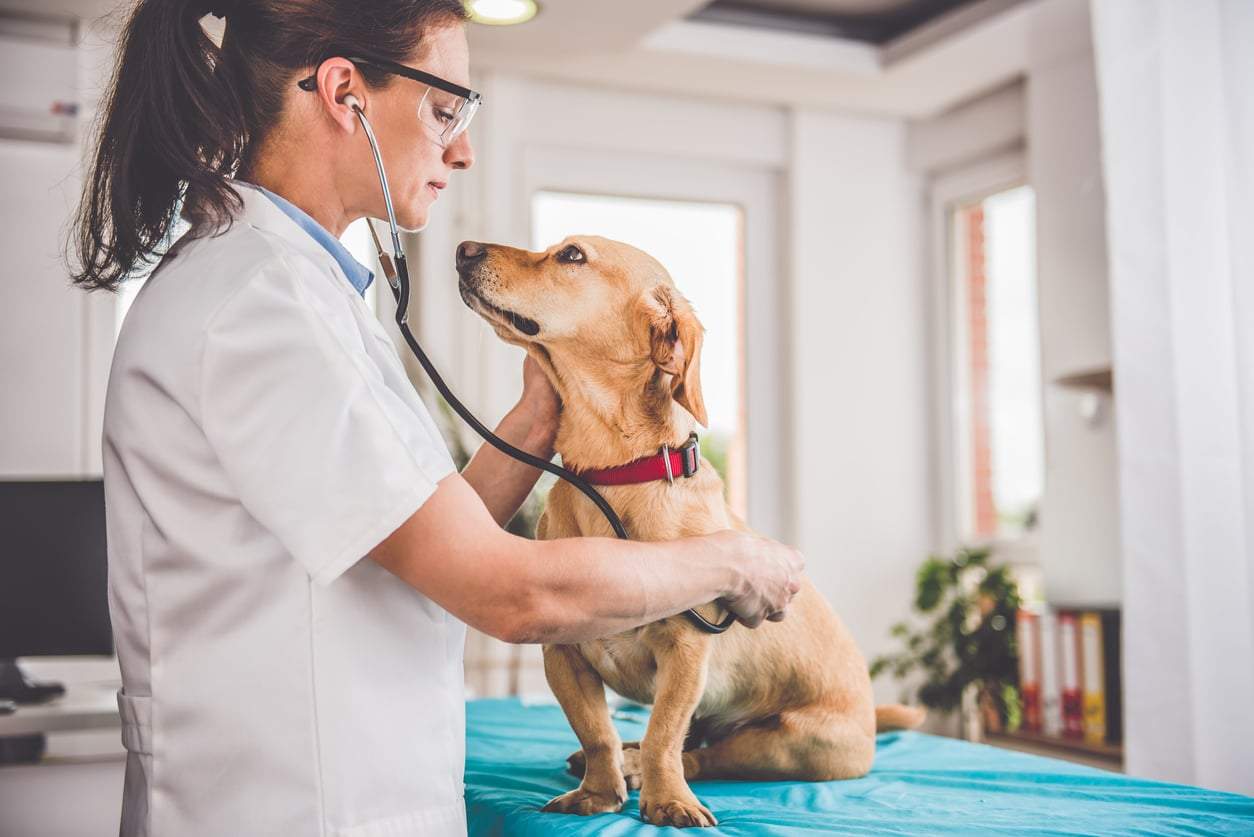
This is exactly why an honest, empathetic vet matters so much — one who talks not just about what's medically possible, but about quality of life. Whether your animal still eats with pleasure. Whether they're curious about the world around them. Whether they have pain-free days. Whether they're truly living, not just existing.
Real love sometimes means being brave enough to ask these questions out loud. And yes, it's worth thinking about the financial side before a crisis hits. More and more pet owners are taking out pet insurance — something many once dismissed as an unnecessary luxury — and it can genuinely help prevent the most heartbreaking financial ultimatums down the line.
Of course, insurance doesn't solve everything. It won't erase the grief or the impossible choices. But it may mean that when the hardest moment comes, you're not making your decision based purely on what's in your bank account. Most owners ultimately want the same thing: for their companion to live safely, lovingly, and with dignity. And sometimes the hardest part of that is accepting that love alone isn't always enough — and it was never going to be enough forever.