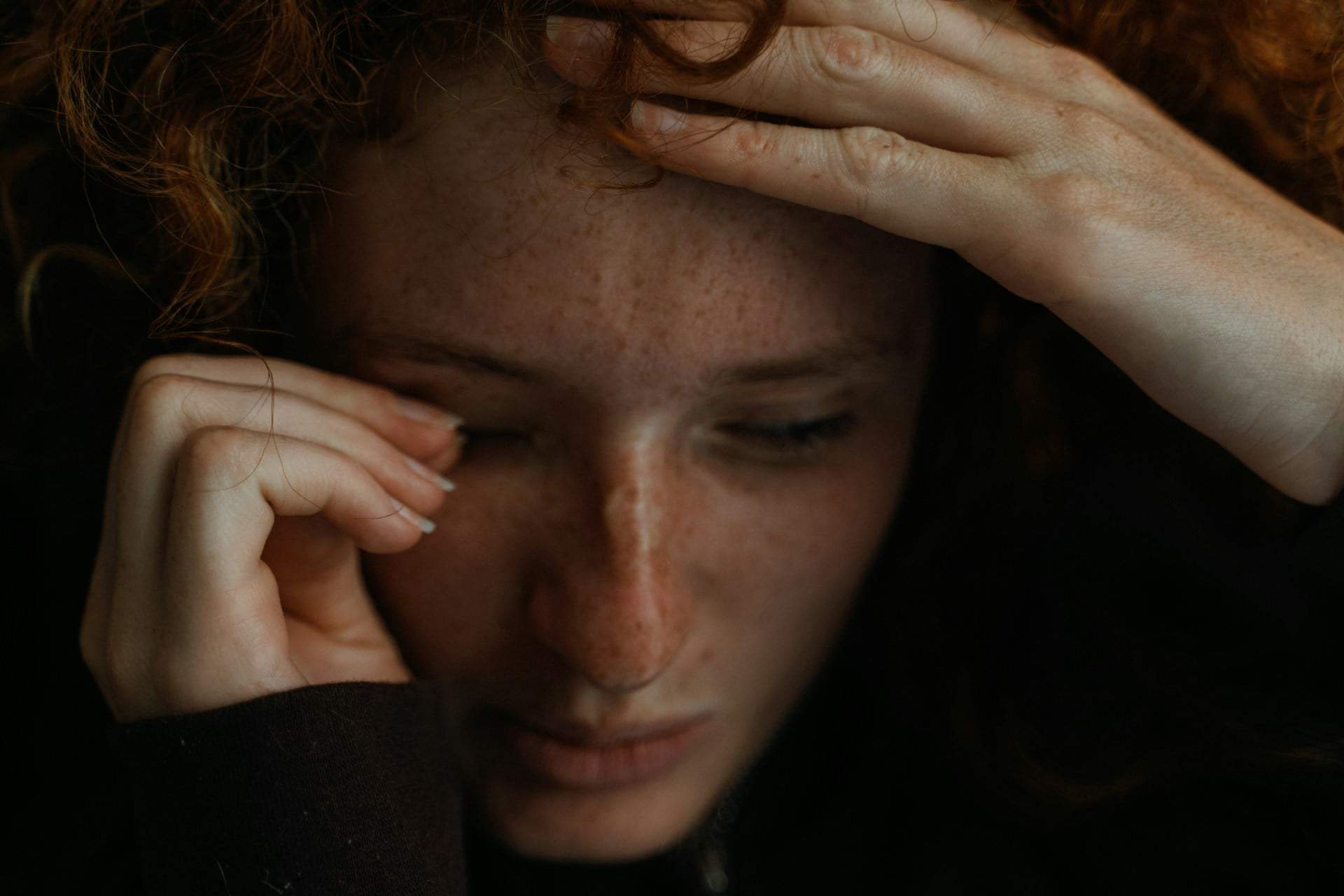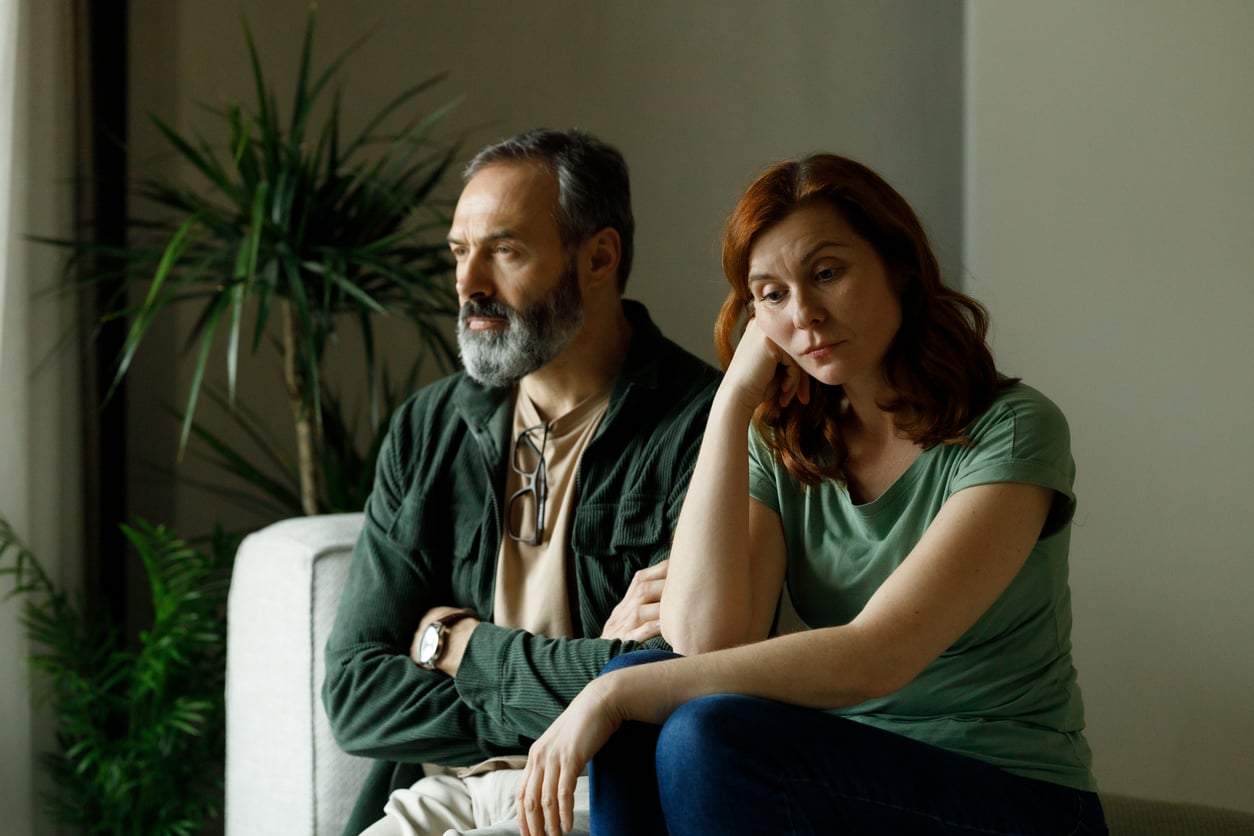
I was married for eleven years, and I thought I already knew the worst thing that could happen to us. Then I found out I was wrong — because there is something worse than discovering your husband has been living a double life with another woman.
The moment I found out about the affair
I learned about the infidelity on a Tuesday evening in April, when his phone lit up on the nightstand and I picked it up — just like in a bad movie. I didn't scream. I didn't throw anything. A strange, frozen calm came over me, as if someone had switched off the electricity inside me.
The next morning, I still made him his coffee. After eleven years together, your body memorizes the routines and doesn't stop to ask questions.
The months that followed were filled with paperwork. Lawyers, dividing up assets, arguing over who would keep the sideboard we'd inherited from his grandmother. Oddly, I didn't cry as much as I expected. There was a dull, mechanical survival instinct carrying me through each day. I told myself the peak of the pain had already happened on that Tuesday night — and that it was all downhill from there.
The day it was officially over
Our divorce was finalized on a grey, rainy Wednesday in November. We sat across from each other in a lawyer's office, a low table between us, the papers we needed to sign laid out in a row. He was wearing a blue suit — the one I had given him for Christmas two years earlier. That detail hurt more than it should have.
The attorney was quietly explaining something about the mortgage transfer. I stared at the pen in my hand and thought about how this small object was in the process of undoing eleven years of a life we had built together.
We signed. He stood up, buttoned his jacket, and walked me out of the office and onto the street — polite to the last, as if this had been a business meeting that ended with a handshake. A fine drizzle was falling. I stood on the pavement, hollow, when he spoke.
"Finally, I don't have to pretend I care how your day was."
That was it. He didn't raise his voice. There was no cruelty in his tone — just a calm, flat delivery, as if he were reading out a weather forecast. Then he gave a small nod and walked toward his car, looking like a man who had just been let out of a very long, very boring meeting.
One sentence that rewrote eleven years
The affair was something that happened in a moment — something he did, something I had no part in. But this sentence was different. This sentence said that for eleven years, every morning conversation, every night I stayed up with him when he was sick, every small act of love had been a performance on his part. That when he asked how my day was, he didn't mean a word of it.
The pain of the betrayal was at least about his failure — his mistake, his choice. But this sentence retroactively cancelled everything I had ever believed about us. It didn't just end the marriage. It reached back and hollowed out the years before.
On the tram home, I leaned against the window and watched the raindrops slide down the glass. I didn't cry. I just tried to figure out when the lie had actually started. At our wedding? When our daughter was born? Or did it creep in slowly — the way people quietly grow numb inside a relationship, and then recolor the whole past in the light of how it ended?
Was any of it ever real?
Several months have passed since then. Sometimes I call my best friend and we talk about how strange it is that a person can learn to trust again after a single sentence has erased a decade. I don't have any wise answer to that. Only the question that still surfaces sometimes: was it really all just performance — or did he not know himself where the lie ended and his own self-protection began?
I don't think I'll ever know for certain. But I've started to understand that the question matters less than I thought. What matters is that I know what was real for me — and no sentence, however quietly delivered, can take that away.
Can you ever fully recover from a moment like that?
Therapists who work with people after divorce often point out that the cruelest wounds aren't the big dramatic ones. They're the offhand, almost casual ones — the words spoken on a pavement in the rain that the person who said them may have already forgotten. The ones you keep turning over for months.
If you've experienced something similar — a parting blow that felt like it rewrote your shared history — you're not alone. And the fact that it still stings doesn't mean you haven't healed. It means what you built mattered to you, even if it didn't matter to him.
Did the affair hurt more than the final words?
Not in the long run. The affair was a betrayal of trust, but the last sentence was a retroactive erasure of shared history — and that cut deeper and lasted longer.
Why do people say cruel things at the moment of divorce?
Sometimes it's a defense mechanism — a way of justifying the decision to leave by reframing the entire relationship as worthless. It says more about the person saying it than about the truth of what was shared.
How do you move forward when you can't know what was real?
The article suggests focusing on what felt real to you, rather than seeking certainty about the other person's inner world. Your experience of the relationship was genuine, regardless of what he later claimed his was.
Is it normal not to cry right away after a devastating moment like this?
Yes. Shock and emotional numbness are common responses to overwhelming pain. The grief often arrives later, in waves, once the protective numbness begins to lift.