
Atheists and skeptics tend to follow a scientific approach, understanding life and death as biological and physical processes. Yet science often hits limits, especially since quantum physics revealed that thoughts truly have creative power. World religions offer diverse beliefs about the afterlife, helping people make sense of and cope with questions and feelings about death.
Christianity
Christianity is one of the largest and most widespread world religions, with many different denominations. Christians believe the human soul is eternal and must account for its deeds after death. They trust that God judges people, and through good deeds and faith, they can earn eternal life in heaven. Those who reject Christ and divine commandments face separation from God and eternal damnation.
For Christians, death is not just the body’s end but a transition into eternity. At death, the soul meets God’s judgment and must answer for its actions. Faith and atonement offer a chance to save the soul from damnation and enter heaven.
Islam
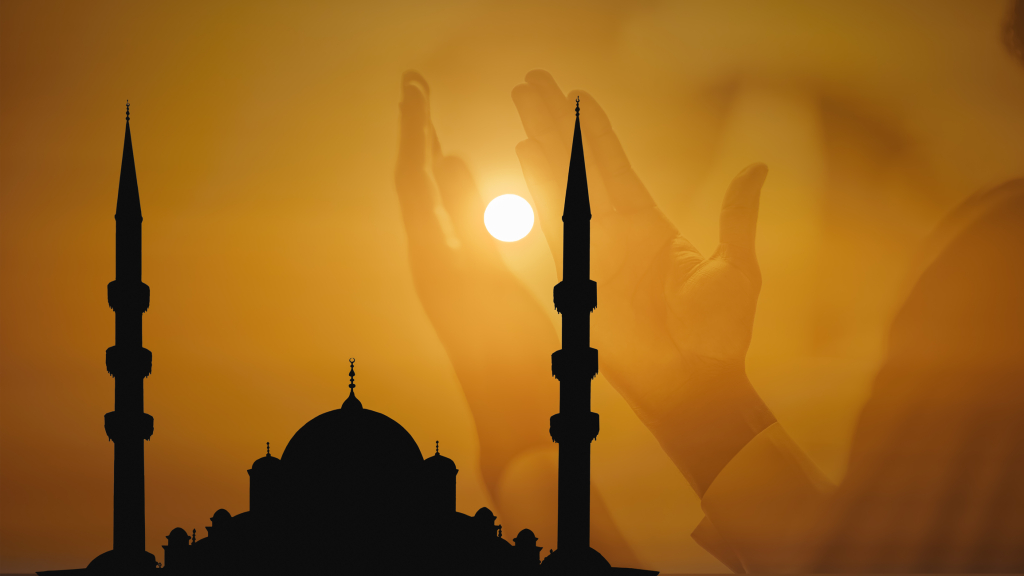
In Islam, beliefs about the afterlife are deeply rooted and strictly guide life and death. Believers hold that Allah will judge people on Judgment Day based on their deeds. Those who lived righteously and stayed faithful to Allah will be rewarded with paradise, while those who disobeyed Islamic laws face hell.
Islam teaches that death is the soul’s passage to the afterlife. The soul leaves the body and enters an eternal spiritual existence. Everyone must answer to Allah for their life choices. Repentance and conversion are vital, allowing believers to earn Allah’s mercy and save their souls from punishment.
Judaism
Judaism is strongly monotheistic, placing absolute faith in God, known as YHWH or Yahweh.
God is the one creator, all-knowing and all-controlling force overseeing the entire universe. The Torah, Judaism’s sacred text, consists of the first five books of the Bible, given to Moses by God.
These books contain religious laws, moral principles, and the history and traditions of the Jewish people. Judaism emphasizes strong community bonds and family values. Family life, celebrations, and communal prayer hold great importance.
Buddhism
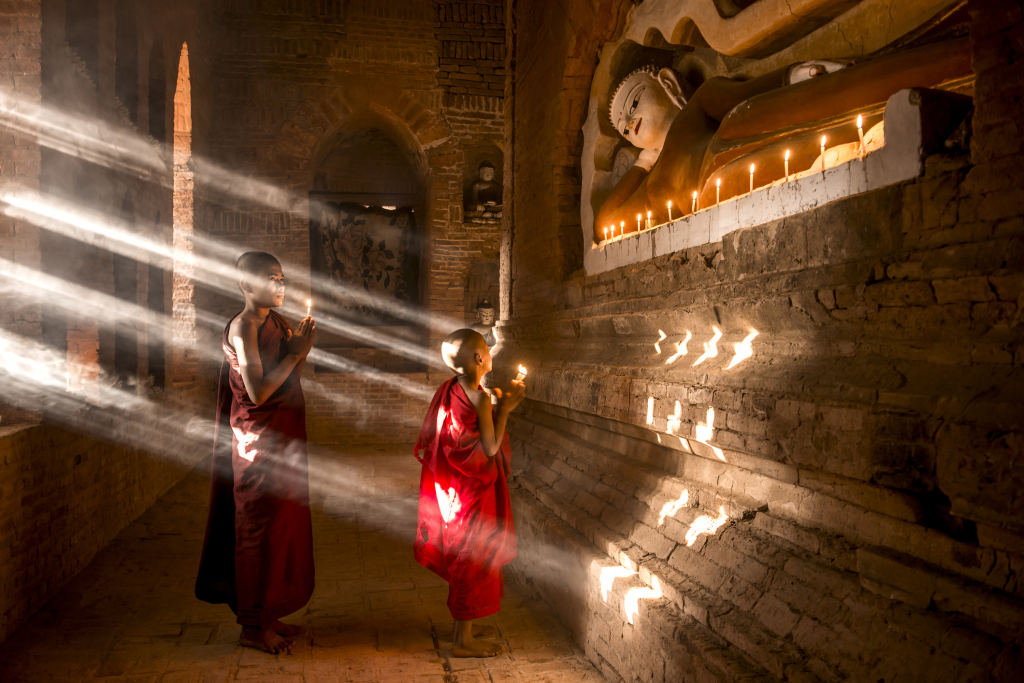
Buddhism aims to end suffering and reach enlightenment. Buddhist teachings say the soul, or "atman," is eternal and reincarnates through rebirth. The goal is to break free from suffering and the cycle of rebirth to achieve nirvana—a state of peace and freedom from suffering.
Buddhists believe death is not just the body’s physical end but a transition to a new life through reincarnation. The soul’s karma—the consequences of good and bad deeds—determines the form of the next life. Continuous learning in each life helps one ultimately reach nirvana and escape suffering.
Hinduism
Hinduism also embraces reincarnation, closely linking life and the afterlife with karma and dharma.
Hindus believe the soul (atman) is eternal and reborn through reincarnation, influenced by karma—the results of actions and deeds.
Death is not just the body’s end but the soul’s transition to another life. Souls must account for their deeds in the afterlife and receive a new body through rebirth. Hinduism teaches following one’s dharma—personal duties and life purpose—to reduce karma’s burden and grow through reincarnations.
Ancient Religions and Traditions
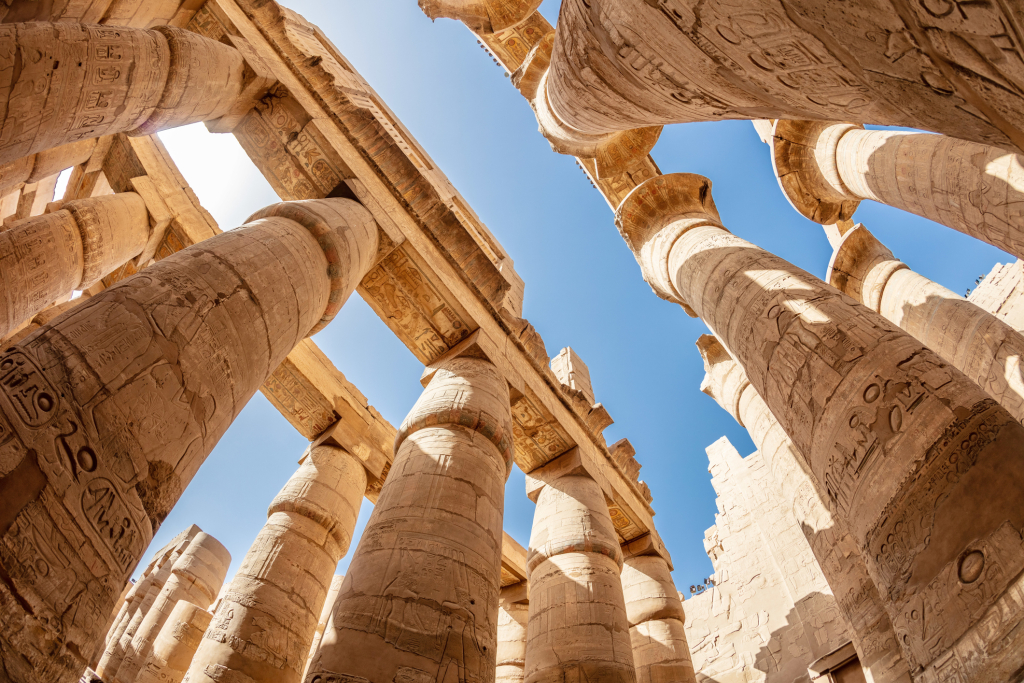
Ancient Egyptians believed in a journey to the underworld and afterlife travels. Ancient Greeks and Romans had their own afterlife ideas celebrated through mythology and religious rituals.
Across ancient religions and traditions, the soul is seen as immortal, and rituals honor the deceased. These traditions are deeply rooted in human cultures, helping people cope with death and grief.
Atheism and Skeptical Thinking
Atheists and skeptics do not believe in an afterlife or any entity judging people after death. For them, death is simply the body stopping, with no consciousness beyond. They rely on science to explain life and death as natural biological and physical processes.
Common elements and ideas appear across religions, reflecting universal human experiences, moral values, and spiritual needs.
Though religions differ greatly, they all believe in:
- God or a supernatural entity: Nearly every religion centers on a divine or supernatural force that guides or influences human life and the universe. Gods or God are the core sources of all seen and unseen.
- Moral principles: Religions usually include ethical guidelines defining right and wrong behavior. These principles help people live morally and make ethical choices.
- Prayer and rituals: All religions have prayers and ceremonies that strengthen connections with gods or supernatural beings. These practices help express gratitude, seek mercy, and communicate requests.
- Community gatherings: Religions often build communities where people pray, learn, and celebrate together. This support strengthens faith and relationships.
- Spiritual growth and development: Many religions emphasize deepening spiritual understanding and character growth by following teachings and practices.
- Grief and comfort: Religions help people cope with death and loss, offering comfort and hope to families of the deceased. Funeral and mourning rituals are common.
- Enlightenment and higher goals: Some religions teach that human life serves a higher purpose beyond earthly existence. People strive for enlightenment, self-awareness, or eternal life through unity with gods or God.