Sweet Potato
One cup of cooked sweet potato packs about 4 grams of protein and is also a great source of potassium, vitamin B6, and vitamin C. Its high fiber content helps regulate blood sugar levels and supports healthy cholesterol management. Sweet potatoes aren’t just delicious baked as fries or mashed—they’re perfect for creamy soups, stuffed with other veggies and cheese, or even made into vegan bean patties.
Spinach
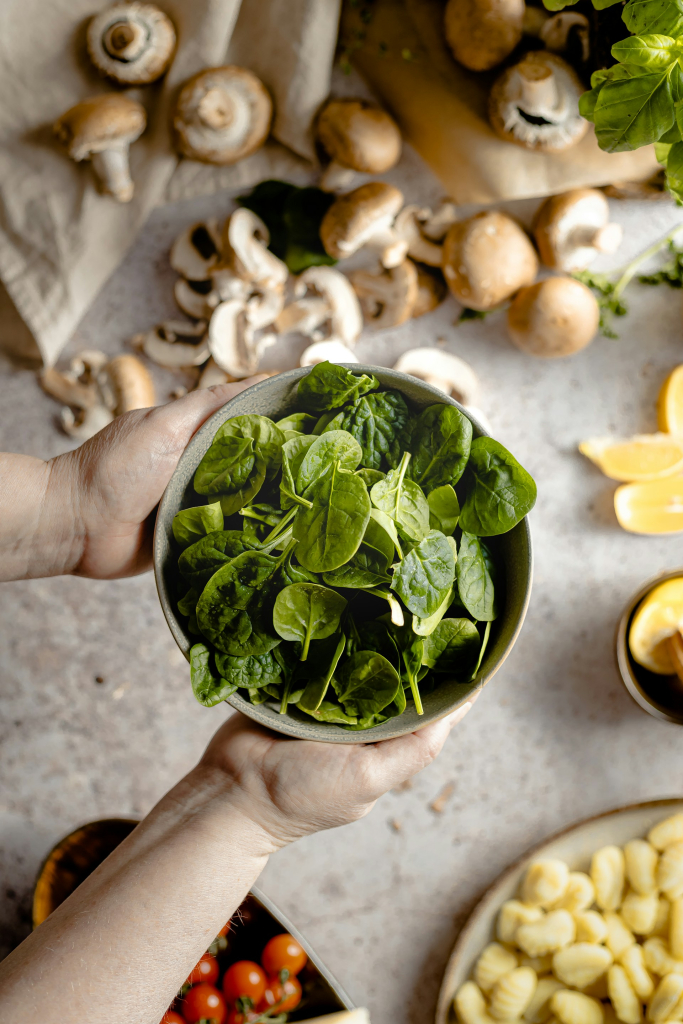
No wonder Popeye loved spinach when he needed a boost—one cup contains nearly 5 grams of protein. Plus, this popular leafy green is a fantastic source of folate, essential for healthy cells and reproductive health. Toss it into pastas, make creamy soups, or blend it into a delicious smoothie.
Asparagus
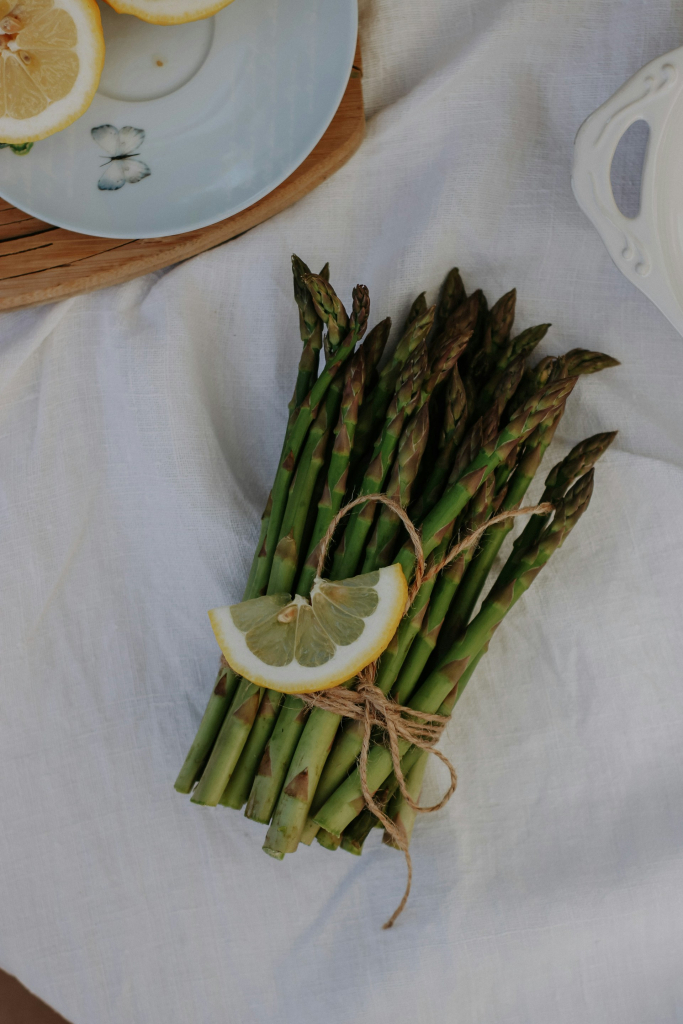
Asparagus is a must-grab when it appears at markets and grocery stores! It’s low in calories and fat, with one cup delivering 4.3 grams of protein and 3.6 grams of fiber. It’s also rich in vitamins C and K. Enjoy it steamed or roasted with a sprinkle of sea salt and a squeeze of lemon.
Cauliflower
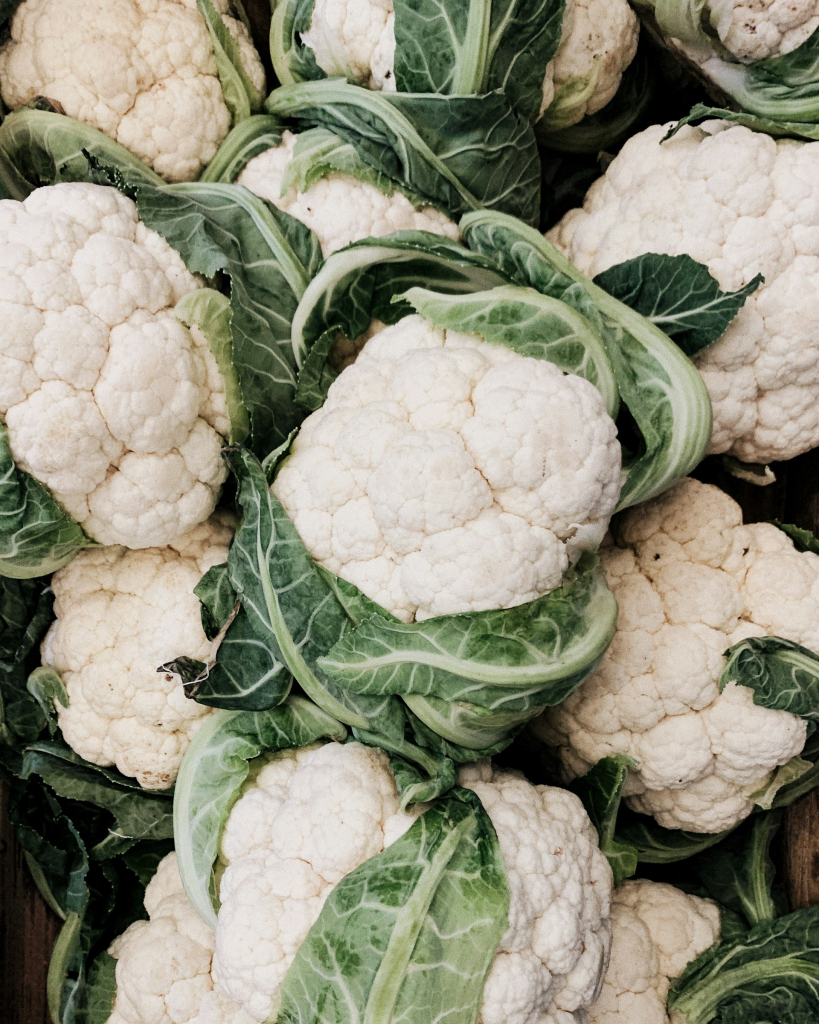
One cup of raw cauliflower offers just over 2 grams of protein and is high in fiber and antioxidants, making it a smart choice for meatless meals. It’s way more versatile than you might think—you can make pizza crust, cauliflower rice, casseroles, or veggie patties with it.
Black Beans, Kidney Beans, Chickpeas, Lentils
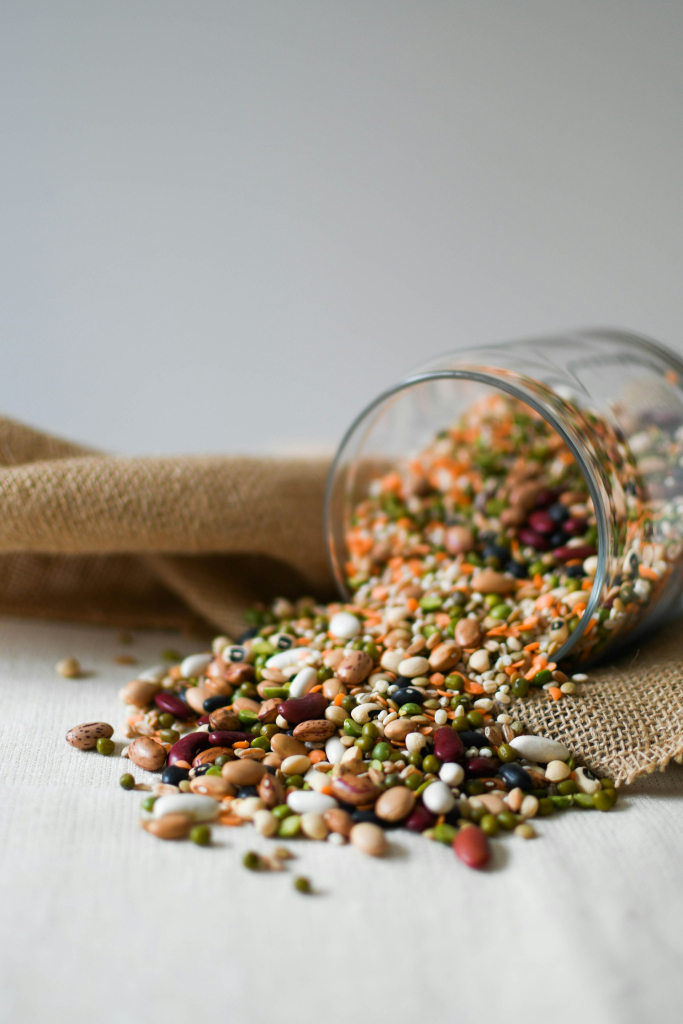
Beans and other legumes are like the chameleons of the food pyramid—they fit smoothly into protein, carb, and veggie groups. That means you can get creative with them in your meals.
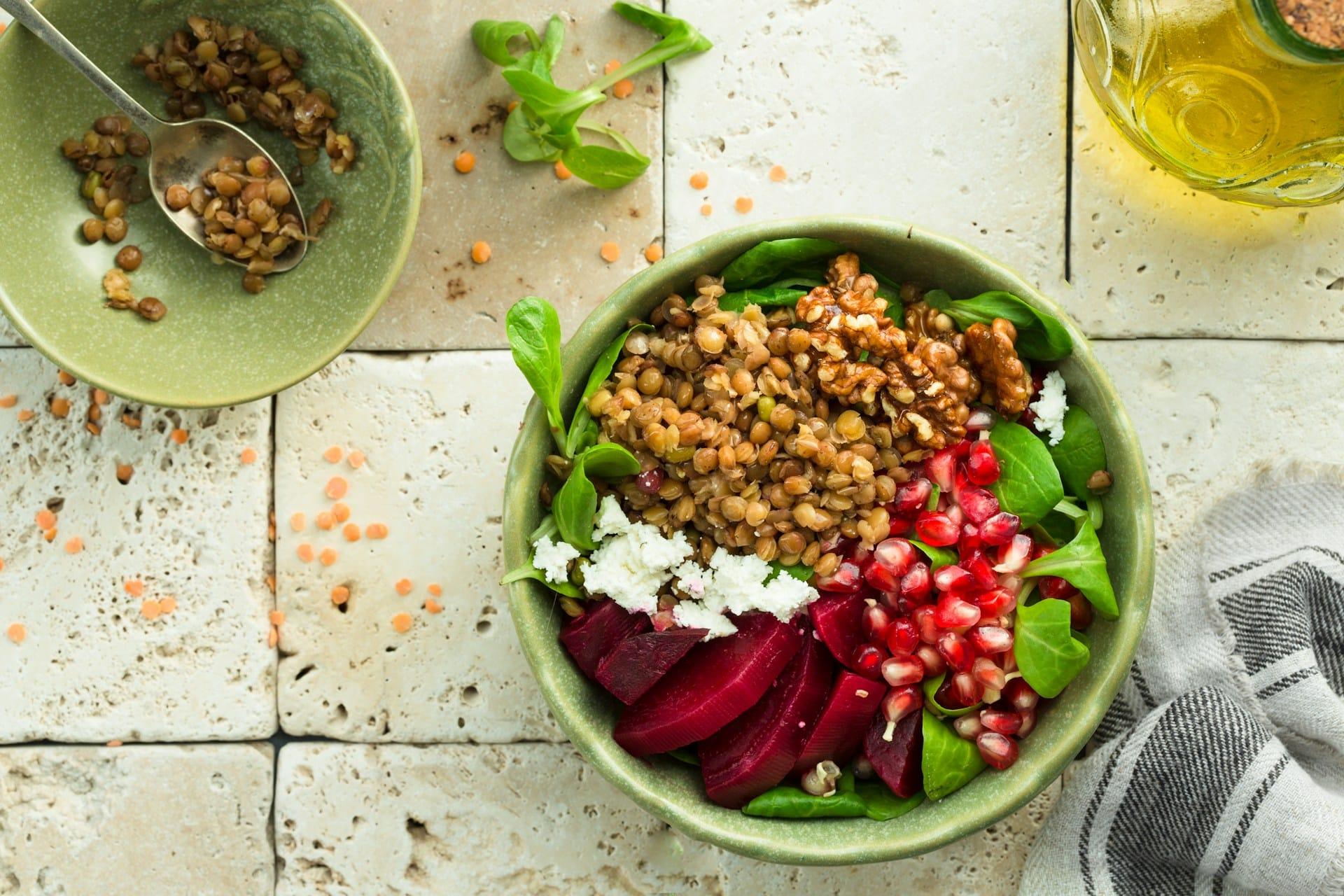
Protein content varies by type, but here are some standouts: black beans have 15 grams, chickpeas 15 grams, kidney beans 13 grams, and lentils 18 grams of protein per cup. They’re perfect for stews, creamy soups, dips, or tasty veggie patties that work great in vegetarian or vegan burgers.
Peas
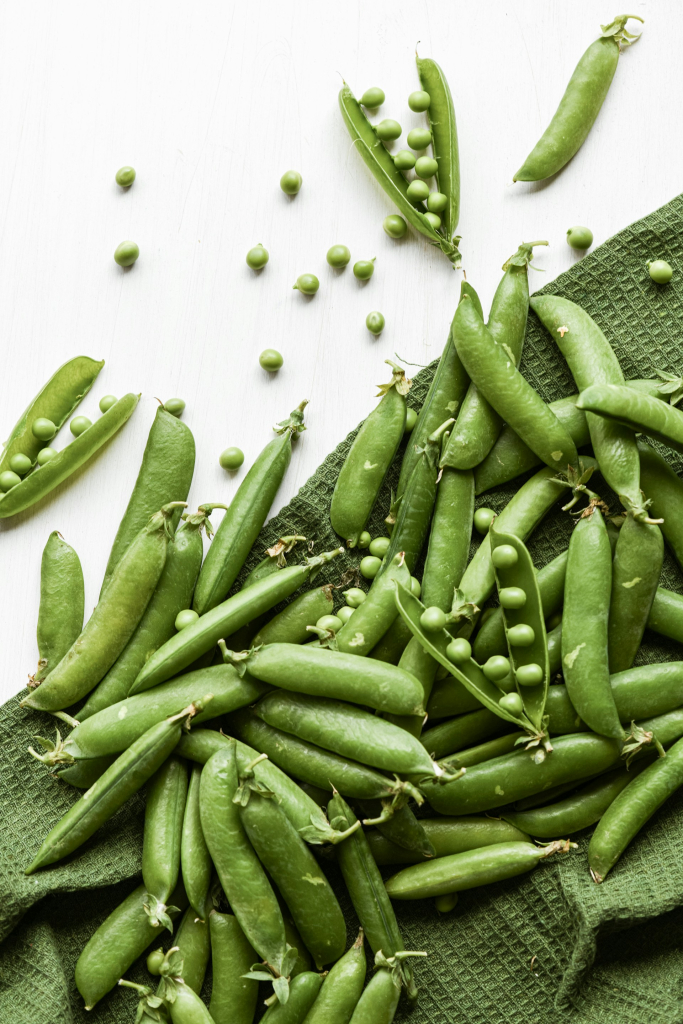
One cup of peas contains nearly 8 grams of protein. You can enjoy their protein in many ways. “You can find pea-based pastas and even rice, which make a fantastic plant protein base for any dish,” notes dietitian Stefani Sassos. She adds, “Many vegan protein powders are also made from peas.” Beyond protein, peas are rich in antioxidants like vitamin C, a good source of fiber, and contain some iron.
Broccoli
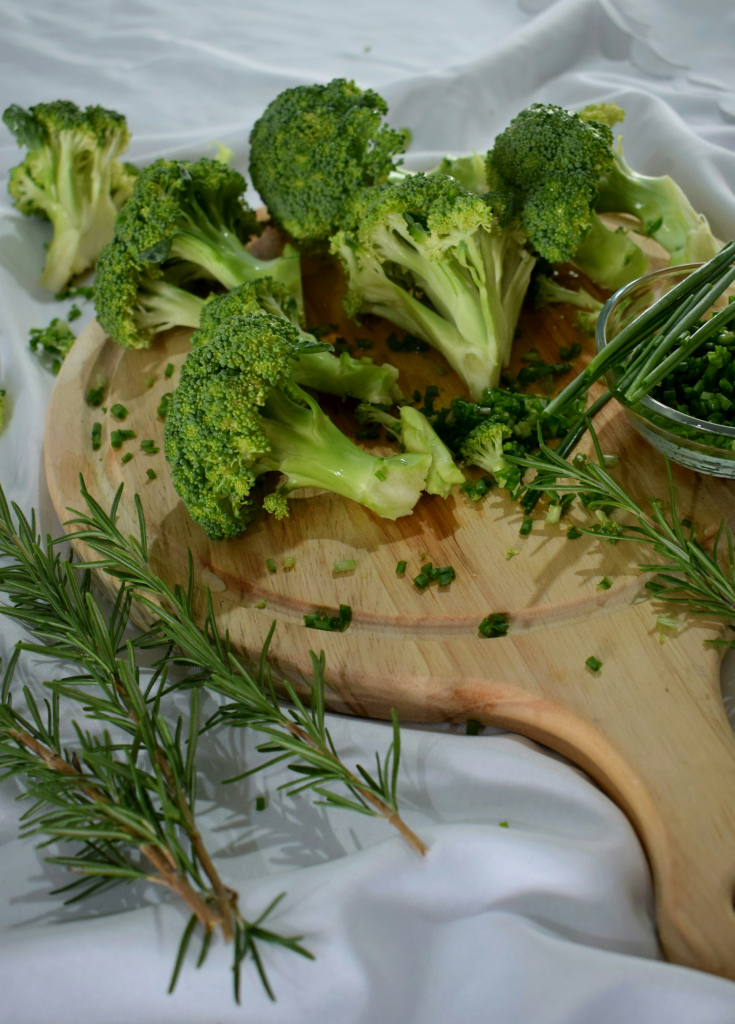
A medium stalk of cooked broccoli contains 4 grams of protein, plus plenty of vitamin C, which acts as a natural antioxidant and boosts iron absorption from plant sources. Broccoli and other cruciferous veggies also have glucosinolates—compounds with anti-inflammatory and antioxidant benefits that may help prevent chronic diseases.
To enjoy all these benefits, simply steam, roast, or add broccoli to your veggie stews and savor. Whichever way you choose, it’s a wonderful way to boost your nutrient intake—especially when paired with the other protein-rich veggies we’ve covered!