I’ve always had many male friends, and somehow it felt natural to earn their respect as equals. But now that I write this down, I realize how sad it is that I had to fight for it!
Even as a teenager, it was clear I never wanted to be "the girl on the team," someone held to a different standard. Mostly, that worked. We played, debated, later went out partying together, and had strong opinions on every topic.
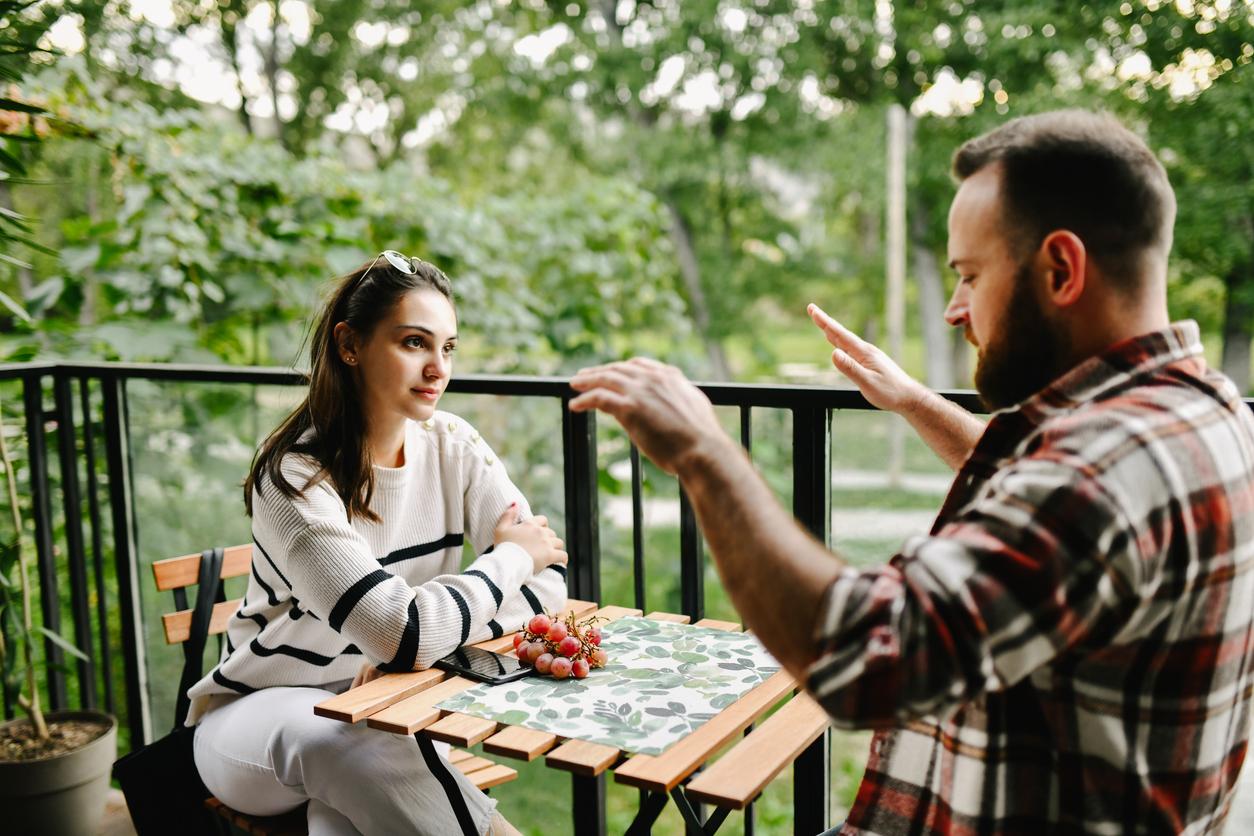
We’ve grown up since then, but everyday chats still carry half-statements that reveal my friends often judge most women differently. They’re not usually aimed at me (or maybe I just don’t take it personally?), but at women in general—often their own partners. And while these lines are usually said jokingly, I now clearly see the old biases behind them. Especially after reading Suffering Women, I notice those little slips that aren’t always mean-spirited but are definitely anti-woman.
It’s also a tricky feeling because I understand men’s perspective too. I hear how many expectations weigh on them: to always be strong, earn more, never show weakness, avoid being emotional, and always stay proud. These are real burdens for them. That’s why I believe equality isn’t just about us women—it’s about them too. Life would be easier for everyone in a world where gender doesn’t dictate what’s "appropriate" or "required."
"Why Do We Have to Hate Men So Much?"
Often, I feel my friends use this line to dodge the conversation. As if standing up for women’s equality is some kind of revenge campaign. But really, it’s about freedom for all of us. Men suffer under role expectations too: they have to be tough, asking for help is seen as shameful, and their worth is judged by the car they drive. I once had a conversation where a male friend suddenly went quiet when I mentioned that patriarchal pressures squeeze men just as much as women.
"We Don’t Need Feminism Anymore"
This phrase feels like a pat on the back: "Well done, girls, everything’s fine now!" But everyday life tells a different story. There are still wage gaps, invisible housework, sexist jokes popping up in the media, and hardly any women in politics or public life.
To give a concrete example: I’ve heard of workplaces where female colleagues are automatically expected to organize birthday celebrations or decorate the office for Christmas—just because they’re "women." These may seem small, but they clearly show things aren’t all good yet.
"Believe Me, Men Have Their Own Problems Too"
There’s truth in this—it doesn’t contradict what we’re talking about. No one denies men face challenges. Isn’t that interesting? It’s not up for debate that life can be hard for men. The problem is that when women’s issues come up, the focus often shifts immediately: "So you’re saying men have it easy?" This is a perfect example of invalidation. Instead of listening, the conversation turns into a competition.
"Men Aren’t Born for Monogamy"
I’ve heard this one many times, often jokingly, as if it’s some biological fact we just have to accept. Men like to suggest it’s natural for them to "look around," because that’s just their nature. But if a woman lives similarly—whether by having more relationships than average or enjoying dating—she’s quickly labeled loose, unreliable, or "not family material."
The double standard is clear here: what’s cool and forgiven for one gender is a stigma for the other. Loyalty or the desire for freedom isn’t about gender; it’s about the kind of relationship and values we hold.
"Men Are Simply Better Suited to Leadership"
This might be the toughest argument to challenge for those who believe it—after all, we do see more male leaders in many places. But that doesn’t mean they’re better suited. In fact, many studies show the opposite. The double standard applies here too: a man in this role is called decisive and respected, while a woman is seen as cold and career-driven, selfishly sacrificing family. A man is a "strong leader," a woman an unbearable "harpy." Yet the best leadership qualities aren’t about gender. It’s unfair—and a real loss—that so many talented women stay stuck at lower levels.
"She Should Be Glad She Has Him—Who Else Would Put Up With This?"
I recently heard this about a friend of mine. She’s a mom but hasn’t given up her freedom: she goes to festivals, hikes, and even plans weekend outings for herself. Not because she’s a bad mom, but because she knows she needs these recharging moments. Her husband, more of a homebody, fully supports her.
When we talked about this, a male friend joked, "She should be glad she landed such a goof, because no other man would put up with this." It sounded like a joke, but behind it was the expectation that a woman should always adapt, stay home, and not "outshine"—while men naturally continue to live their own lives after starting a family.
Hearing these remarks from my friends makes me both sad and hopeful. Sad because old biases fade so slowly. Hopeful because every conversation, every unpacked half-statement is a chance for them to see the world differently and for me to share our perspective.
We shouldn’t settle for "good enough." We owe that to our ancestors who fought for vital rights like voting, inheritance, contracts, divorce, access to higher education, and birth control. None of these were guaranteed just 100 years ago!