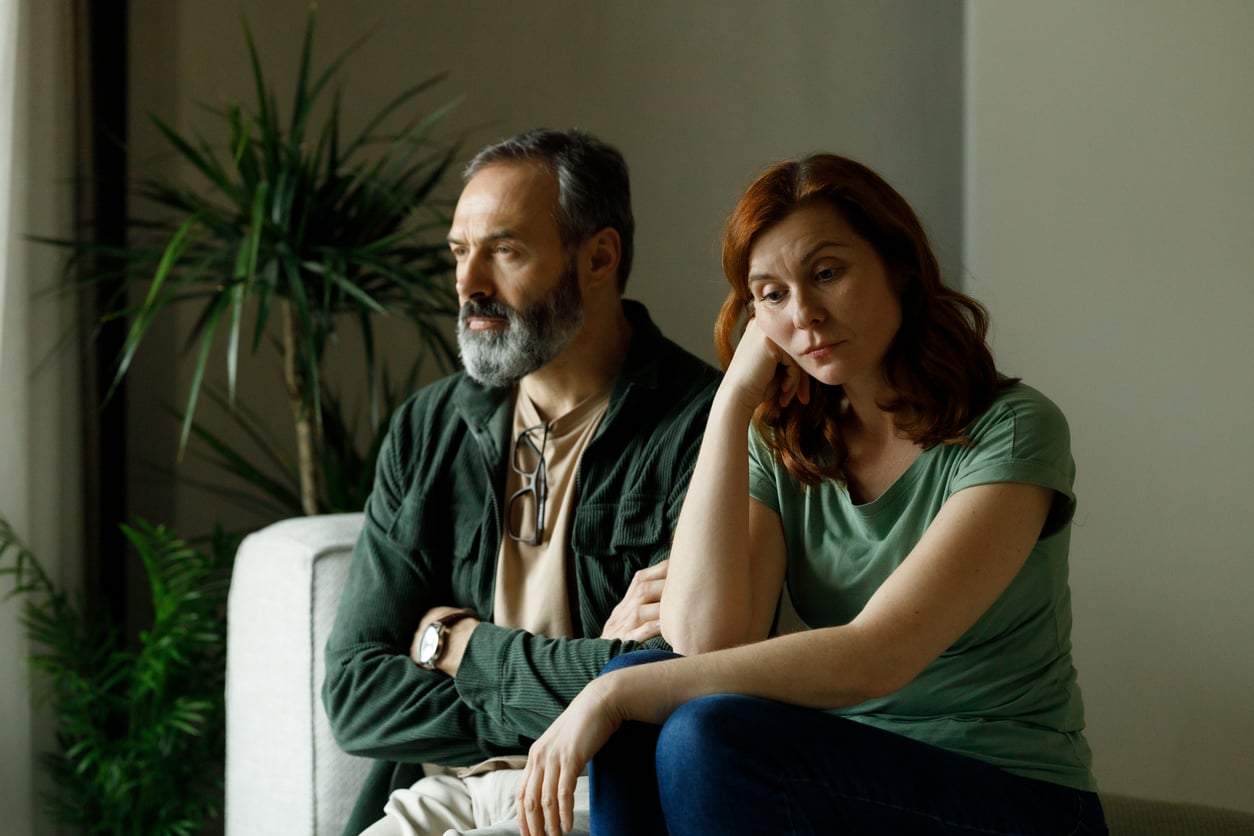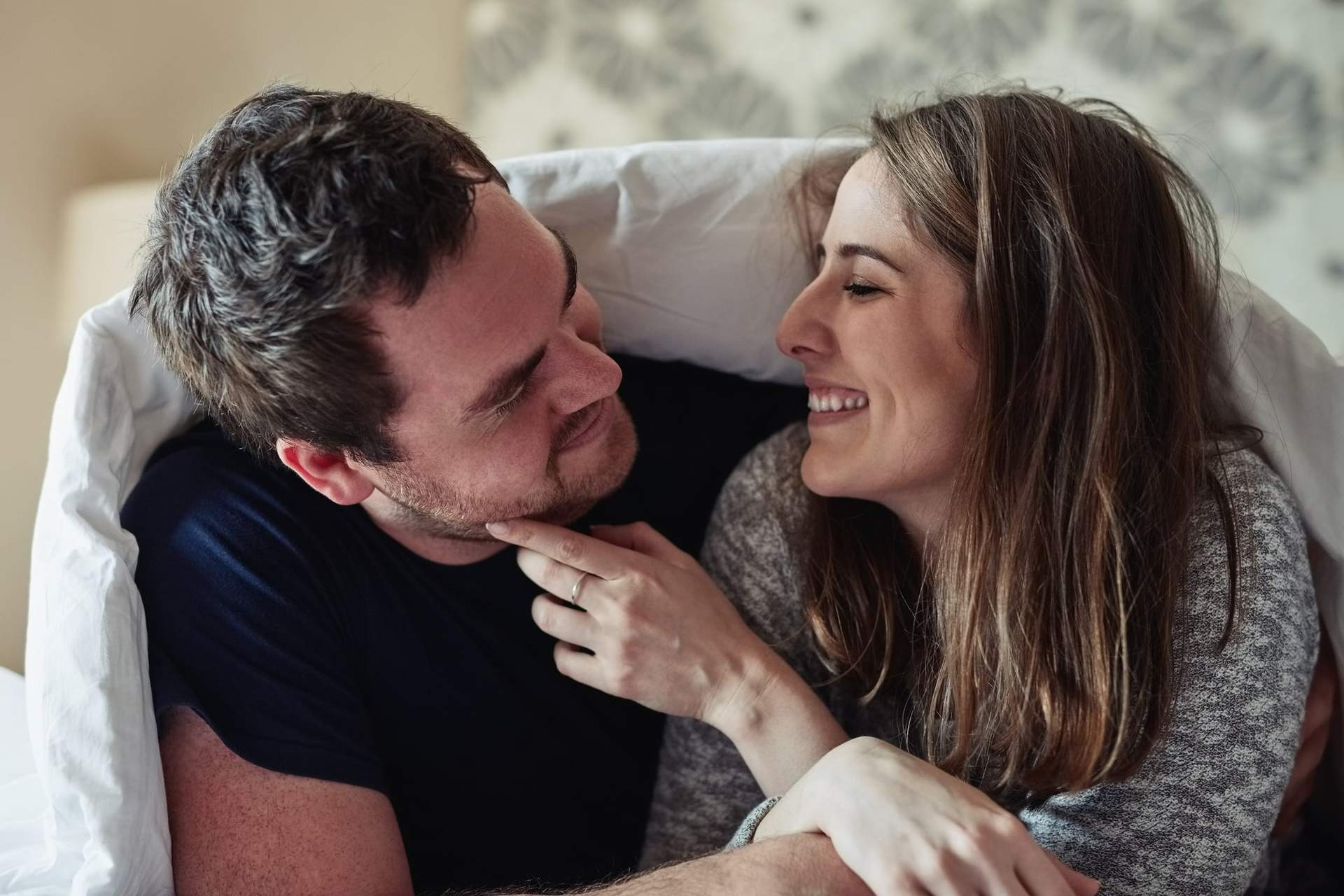
It started like any other afternoon together. We were laughing, catching up, doing what we always do — until she went quiet, looked at me seriously, and told me something I wasn't prepared to hear.
She admitted that she had deliberately stopped using contraception without telling her partner, quietly hoping she'd get pregnant. He knew they weren't using protection — they'd agreed on that — but what he didn't know was that she was privately hoping, every single time, that this would be the time it happened.
For a moment, I didn't know whether she was sharing a vulnerable confession or admitting to a mistake. I just sat there, at a loss for words.
Before anyone rushes to judge, it's worth understanding the full picture. He knew they weren't using contraception. He knew a pregnancy was possible. What he didn't know was the quiet intensity of her longing — the fact that she was actively, silently willing it to happen. There was no outright lie. But there was something left unsaid. And that unsaid thing matters, because it meant he never got the chance to make a fully informed, conscious choice about whether he truly wanted this too.
Why I couldn't give her an easy answer
My first instinct was to feel embarrassed on her behalf. On one hand, I understood her completely — the desire for a baby can be so overwhelming that it can override rational thinking entirely. On the other hand, I couldn't stop wondering: where exactly is the line between accepting a shared risk and quietly steering something in your own direction?
That line is razor-thin, and it's impossible to judge from the outside. If I only looked at the surface of the story, it would be easy to form a verdict. But the more I thought about everything that goes into a moment like that — the longing, the fear of being told no, the hope — the less qualified I felt to decide anything.
What I can say is this: the story had a beautiful ending. Keeping the baby was never in question. Her partner was surprised by the news, but he was genuinely happy. That doesn't retroactively make the silent hoping a perfect decision — but it does mean that two people who were quietly in slightly different places ended up arriving at the same one.
What this conversation taught me
Ever since that afternoon, I've been thinking about how much goes unsaid inside a relationship. We often assume the big questions have been covered — and then discover that both people were actually imagining something different.
A decision about having a child is not something you should piece together from half-sentences and unspoken hints.
It's not my place to judge her. What I do know is that she told me because she needed someone who wouldn't. I'm trying to be that person.
There's a real difference between wanting something and being willing to say it out loud. Hope is often more comfortable than an honest request — because hope can't be rejected.
When you only hope, you protect yourself from the possibility of a no. But in doing so, you also take away the other person's chance to say yes — consciously and freely.
And I don't think this is just about having children. It applies to every major decision a couple needs to make together. One honest, uncomfortable conversation is worth more than any amount of careful silence.
I don't think there's a clear villain in this story. There are two people, a longing that burned louder in one of them than the other, and a child they both ended up being glad was coming.
Is it wrong to secretly hope for a pregnancy?
There's no simple answer. Hoping isn't the same as deceiving — but when hope replaces an honest conversation, the other person loses their chance to make a real choice. That's worth reflecting on, whatever the outcome turns out to be.
What should you do if you want a baby but aren't sure your partner is ready?
The most important thing is to say it out loud, even if it feels scary. Your partner deserves the chance to respond honestly — and you deserve to know where they actually stand, rather than hoping they'll arrive at the same place without being asked.
Can a relationship recover if one partner feels a major decision was made without their full consent?
It depends on the couple and the specific circumstances. As this story shows, a surprising outcome can still lead to genuine happiness — but open communication after the fact, and a willingness to understand each other's perspective, makes a real difference.
Why is it so hard to say "I want a baby" directly to a partner?
Because saying it out loud makes it real — and opens the door to rejection. Staying in the space of unspoken hope can feel safer, even though it prevents both people from truly deciding together.