Then one day, while organizing my materials on hormones, I stumbled upon some truly eye-opening facts. They gave me a whole new perspective on the "menopause topic." At the same time, something started to shift within me.
I still have several years left in my fertile phase, but I already feel that this stage of life can’t just be treated as a "problem to deal with later." Not only because, as a cycle-sync coach, I guide others on this journey, but also because I need to relearn how my body works — approaching it with curiosity instead of fear.
What if menopause isn’t an end, but a new beginning?
One of humanity’s most fascinating biological features is menopause itself. For us women, nature grants decades beyond fertility. These years can be lived actively, meaningfully, and fully. In the animal kingdom, this is rare — once the reproductive phase ends, life usually follows shortly after (sometimes almost immediately).
But with us, it’s different. Evolutionarily, menopause isn’t a "system glitch" but part of a strategy. It’s a developmental step designed to pass on experience, wisdom, and care across generations — not through genes, but through presence, knowledge, and life lessons.
The Grandma Effect and What’s Behind It
Science calls this the "grandmother hypothesis," backed by some amazing examples.
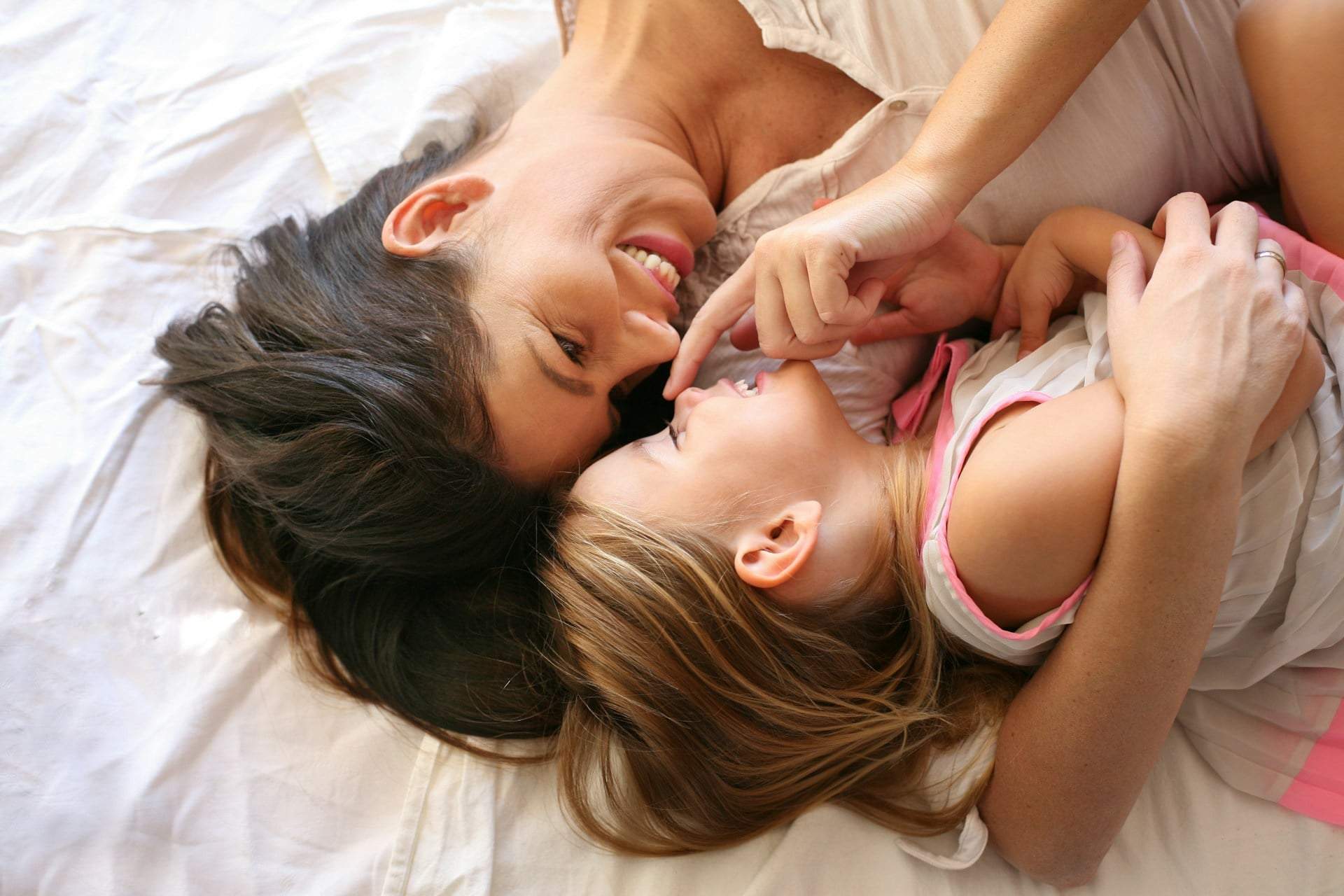
For instance, studies in Tanzania and Finland show that when a maternal grandmother actively participates in her grandchildren’s lives, children have a better chance of reaching adulthood, and mothers can have more children — because there’s someone to help, support, and watch over them.
This caring presence doesn’t just support biological survival; it also serves as emotional support — just as it did thousands of years ago.
The End of the Cycle, Not of Femininity
By exploring the subtle layers of our hormonal system, I’ve learned how to align life with the phases of the cycle, recognize when my body is out of balance, and how self-awareness can help when hormones start to shift. Now, as I encounter more questions and stories about menopause — and even enrolled in a course on the topic — I can’t avoid facing it. And honestly, I don’t want to.
Stepping outside the stereotypes, we see that menopause is far from decline. That’s just a narrative pushed by patriarchal society. With this much life experience, we’re no longer easily influenced — we gain wisdom that outside forces can’t suppress, only try to taboo. We witness this every day.
In many indigenous cultures, menopause and the years after are among the greatest phases of female blossoming. The cycle’s ups and downs settle, the body becomes hormonally steadier, and the intense child-rearing phase ends — freeing up energy to be redirected.
In shamanic traditions, the elder woman — the “crone” or “wise woman” — is not what we think of as an old hag, but a bearer of life’s wisdom. She no longer needs to prove anything, only to be present, radiate strength, and share experience. It’s a kind of “spiritual big sister” role — a status we can be proud of.
What Does It Mean to Be a Woman Beyond Fertility?
This is the question menopause raises, and for the first time, I feel ready to answer it. I no longer fear this phase; I clearly see its potential. How I can be both supportive and assertive, wise and passionate, pass on knowledge, connect with other women, and help those just beginning to discover their body’s messages.
I’m no longer afraid of menopause because I know that within this quiet yet powerful transformation lies something I’ll be ready to embrace: my deep, mature, and free self.