Most fitness plans treat every day the same. But your body doesn't work that way — and if you're a woman, your menstrual cycle is one of the most powerful forces shaping your energy, strength, and recovery. Once you understand it, you can stop fighting your body and start working with it.
The four phases of your cycle — and what they mean for exercise
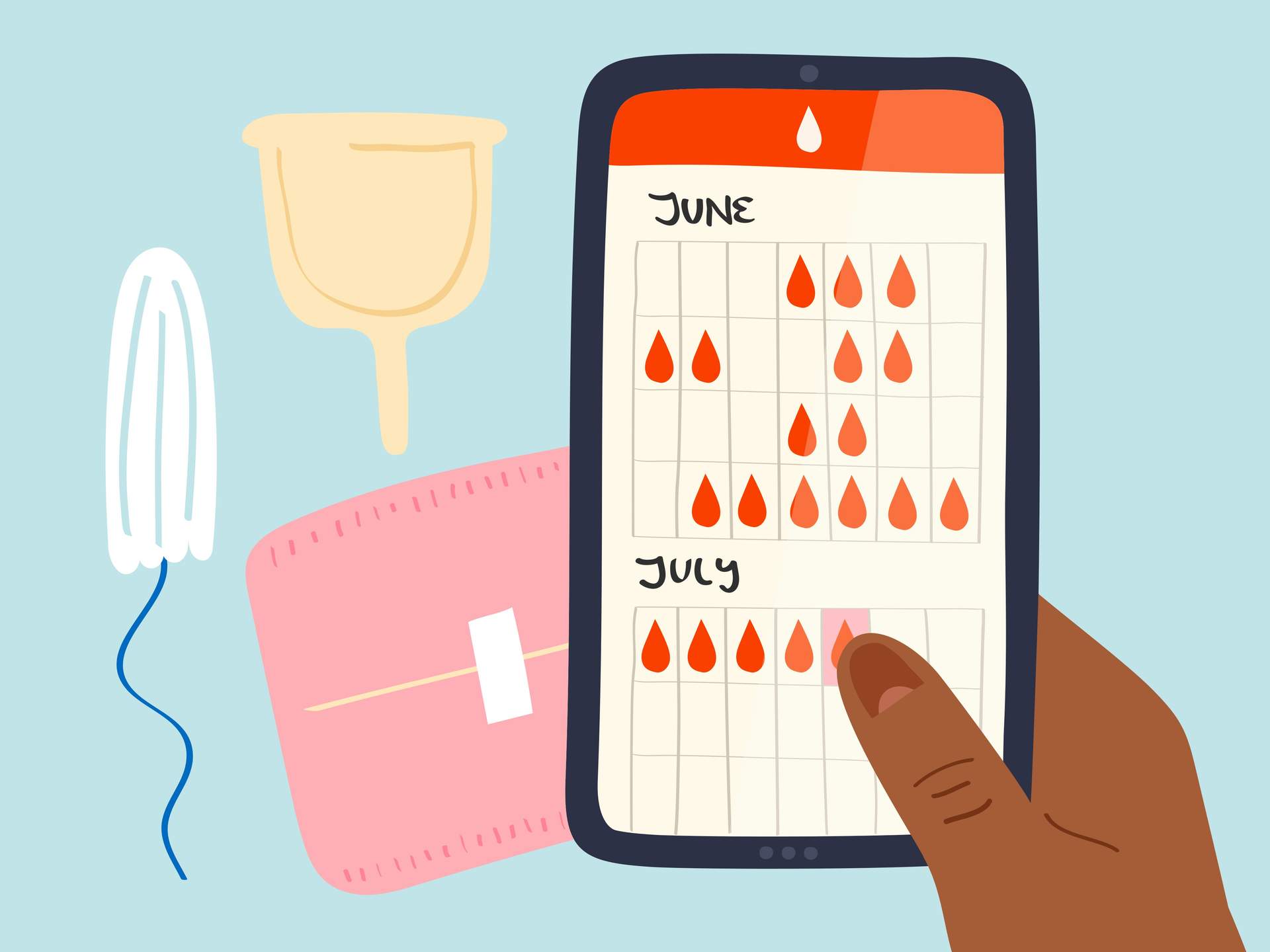
Your menstrual cycle is divided into four distinct phases, each driven by different hormones that affect how you feel, how you perform, and how quickly you recover.
- Menstruation (days 1–5): Your body is resetting. Energy is typically low, and many women experience pain, fatigue, and low motivation. This is not the time to push hard.
- Follicular phase (days 6–14): Rising oestrogen levels bring a noticeable boost in energy and recovery capacity. This is ideal for cardio, strength training, and trying new challenges.
- Ovulation (days 15–17): Both oestrogen and testosterone peak here. Your strength, stamina, and drive are at their highest — making this the best window for intense, high-performance workouts.
- Luteal phase (days 18–28): Rising progesterone can make you feel heavier and more tired. Lower-intensity movement works best during this phase, helping you stay active without burning out.
How to actually apply this to your training
Knowing the phases is one thing — using them is where the real benefit lies. Here's how to structure your workouts around your cycle in a practical way.
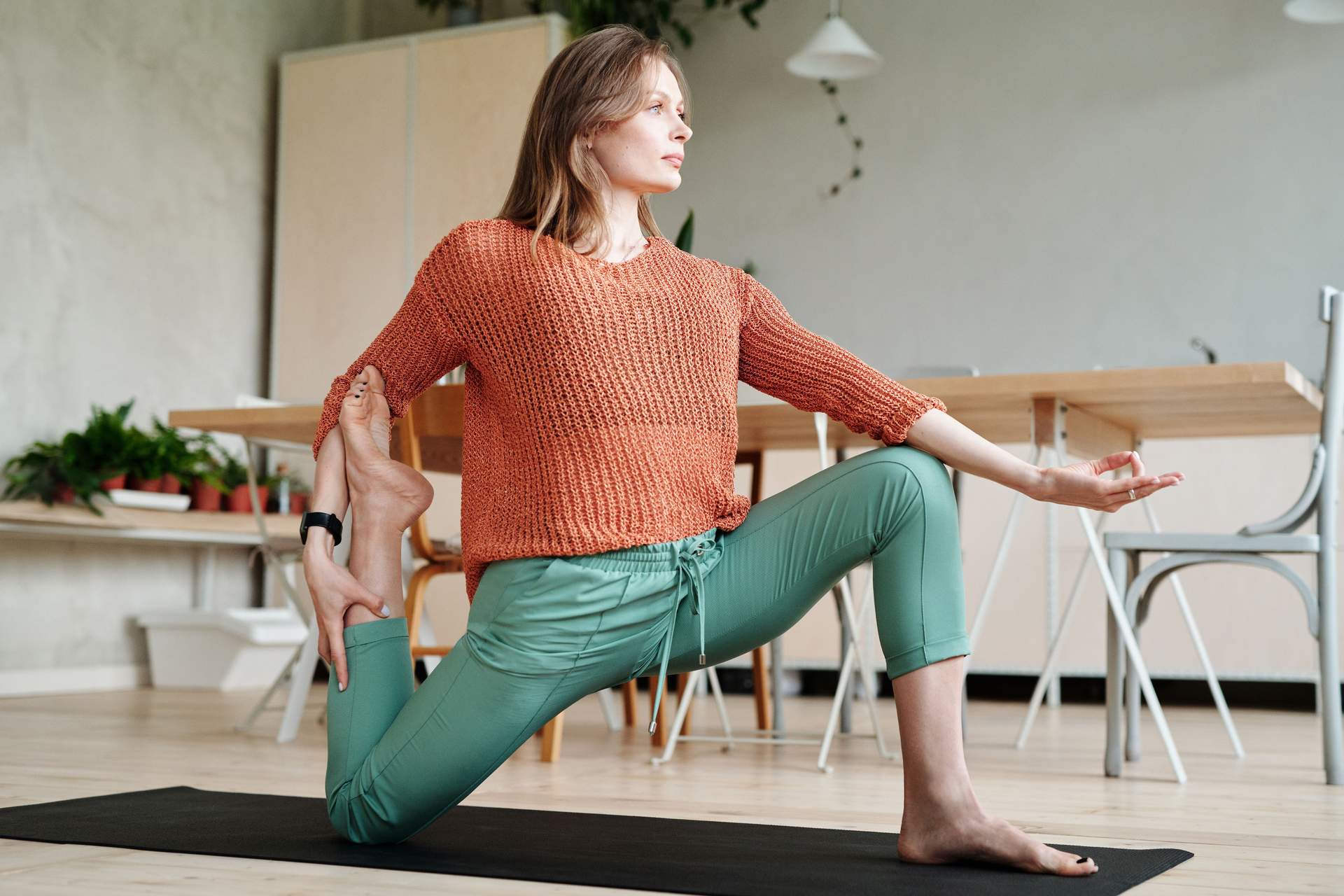
- During menstruation: Gentle movement like walking or light yoga can ease cramps and improve mood. Rest is not laziness here — it's strategy.
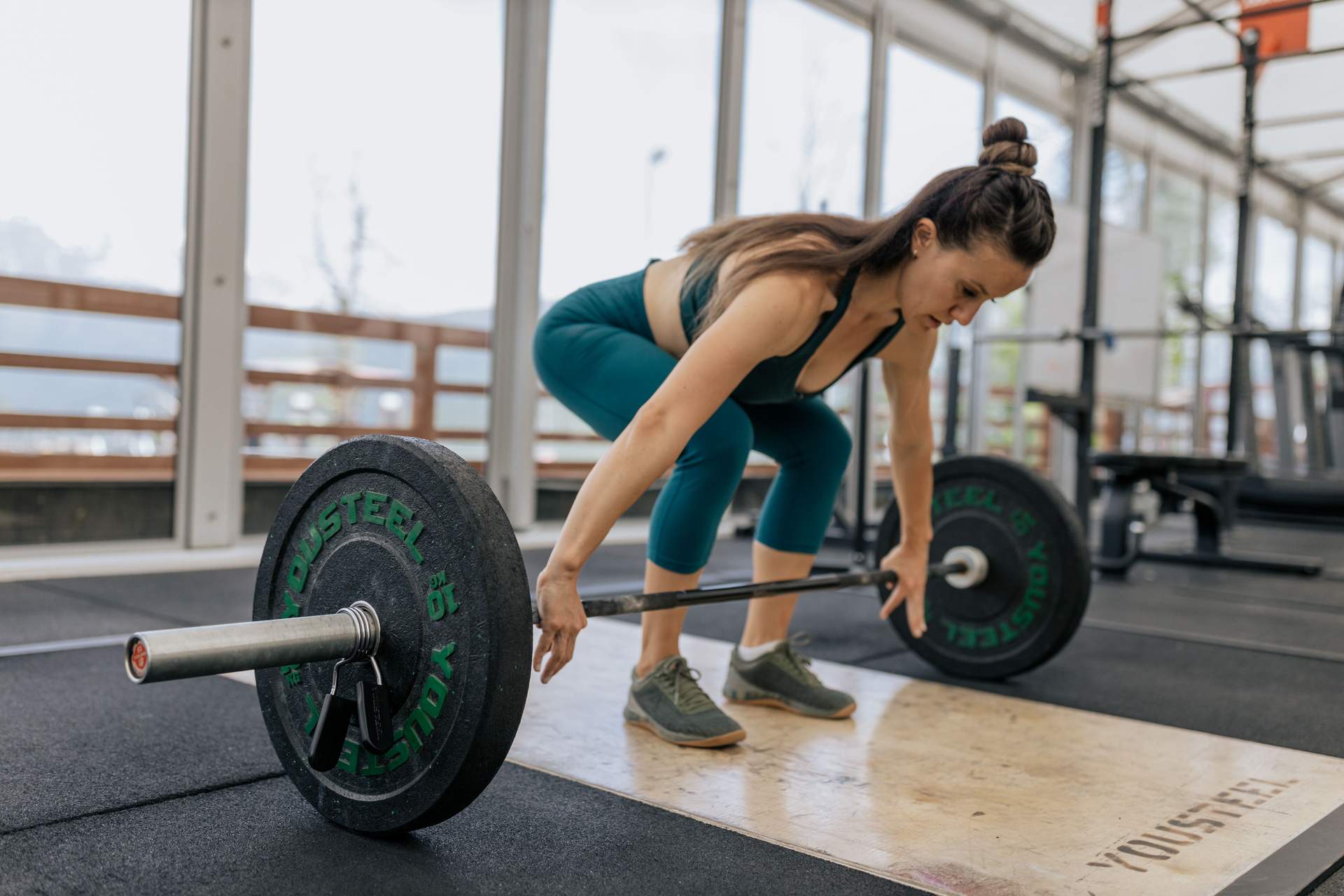
- Follicular phase: Take advantage of your rising energy. Add weight, increase intensity, or try a new workout format. Your body is primed to adapt and grow during this window.
- Around ovulation: This is your peak performance phase. HIIT sessions, personal records, or high-effort classes are especially effective right now. Don't waste it on a gentle stroll.
- Luteal phase: Dial it back without guilt. Pilates, swimming, or moderate strength work helps you maintain your routine without overloading a body that needs more recovery.
Common myths worth letting go
There's a widespread belief that you have to train at the same intensity every single day to see results. In reality, cycle-synced training is both more sustainable and more effective — because it respects the biological rhythms already at work in your body.
Rest days are often seen as wasted days. But when you understand your cycle, rest becomes a deliberate and productive part of your plan — not something to feel guilty about.
Working with your cycle isn't just about physical performance, either. Many women notice real improvements in mood, mental clarity, and emotional balance once they stop pushing against their natural rhythms.
Give it two or three months and pay attention to how your body responds. The results might genuinely surprise you — and you may find that exercise starts to feel less like a battle and more like something you actually enjoy.