If you've ever felt like your glutes just won't firm up no matter what you do, you're not alone. It's one of the most common frustrations at the gym — and one of the easiest to fix once you know which moves actually work.
The good news? You don't need fancy equipment or hours of training. A handful of smart squat variations, done consistently, can reshape your backside faster than you'd think. Here are five worth adding to your routine before fall arrives.
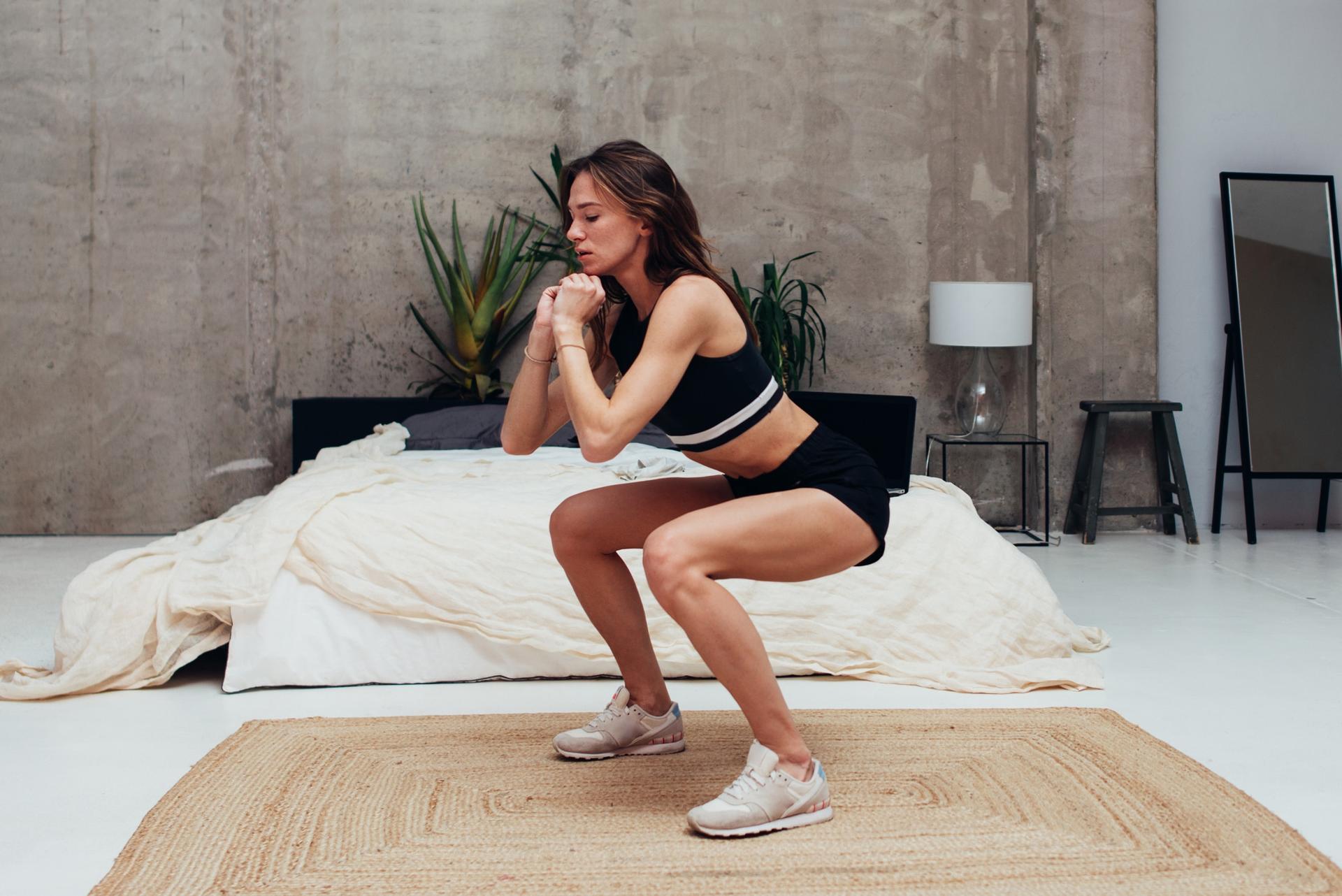
The classic squat
You'll find endless squat variations out there, but nothing beats the humble, traditional squat for building a strong, shapely base. Form is everything here — done correctly, it fully activates your glutes, thighs, and the surrounding muscles.
Keep your back straight and make sure your knees don't push out past your toes as you lower down. If you're just starting out, aim for ten to fifteen reps, then gradually add more as your muscles get stronger.
Lunges
Ready to level up? Lunges are a brilliant complement to squats. They don't just make your workout more intense — they engage a wider range of muscles, working the upper, middle, and lower parts of your glutes all at once.
As with squats, keep your back straight and make sure your knees stay behind your toes throughout the movement.
If you'd rather train smarter than harder, it's worth exploring how to build a personalized workout plan around exercises like these.
Sumo squat
The sumo squat adds a fresh twist by placing your feet wider apart than in a standard squat. In this position, your inner thighs and glutes take on more of the load, making it especially effective for shaping both your legs and your backside.
Just like the others, keep your back straight and maintain good posture throughout.
Bulgarian split squat
The Bulgarian split squat is a fantastic move if you want to really challenge your glutes while improving your balance at the same time. Rest one foot behind you on a bench and perform the squat while balancing on your standing leg.
This position maximizes glute activation and heavily engages your core, too. As a beginner, choose a bench at a comfortable height and only add weights gradually as you get more confident.
Weighted squats
Once regular squats start to feel easy, it's time to raise the bar. Dumbbells or kettlebells are a great way to boost intensity, helping your muscles grow stronger and more sculpted.
Again, proper form is key. Keep your back in the right position at all times, and hold the weights in a controlled way — either in front of you or by your sides.
As effective as these variations are, remember that consistency is what truly delivers results. Aim to train three to four times a week, choosing a rep count that matches your current fitness level. Pair your workouts with healthy eating and proper recovery, and the results will show up even faster.
How often should I do these squats to see results?
Aim for three to four sessions a week, using a rep count that suits your fitness level. Consistency, not intensity, is what makes the biggest difference over time.
Which squat is best for beginners?
Start with the classic squat, aiming for ten to fifteen reps, and build up gradually. It's the foundation for every other variation on this list.
Do I need weights to shape my glutes?
No. Bodyweight squats, lunges, sumo squats, and Bulgarian split squats are all effective on their own. Weights are simply a way to add extra challenge once the basics feel easy.
What's the most common mistake to avoid?
Letting your knees drift past your toes and rounding your back. Keeping your back straight and your knees behind your toes protects your joints and targets the right muscles.