Ever looked at a professional female footballer and wondered how they build such strong, toned legs? The answer isn't a secret gym or expensive equipment — it's consistency, smart training, and the right exercises. If you want firmer glutes and more defined thighs, this routine is a great place to start, and you can do every single move at home.
How to sculpt your legs without any equipment
You don't need a gym membership or fancy gear to seriously work your lower body. These two foundational moves are staples in professional training programs — and they deliver real results when done correctly.
1. Squats
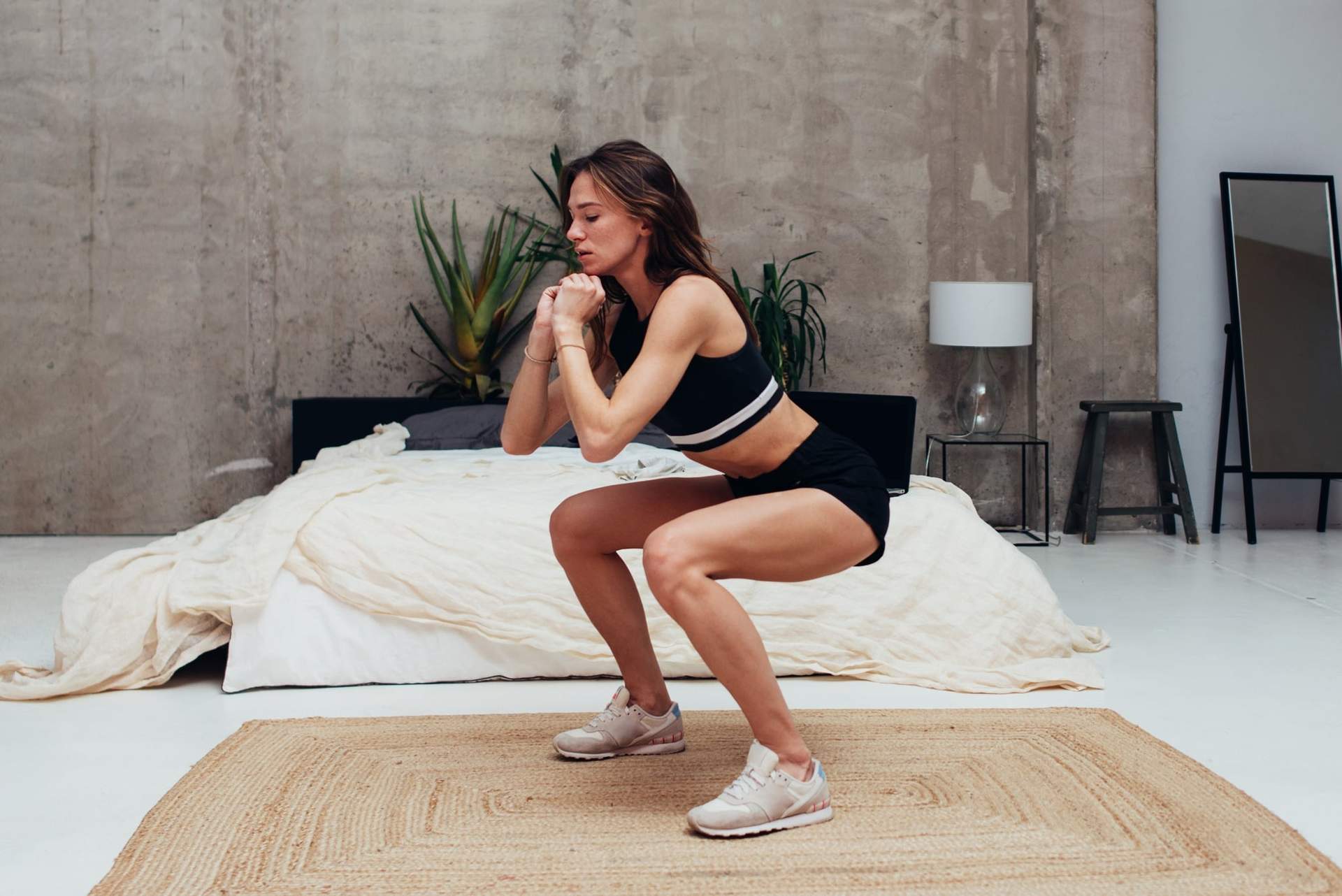
The squat is one of the most effective exercises you can do for your glutes and thighs. Getting the form right is everything — it's what separates results from injuries.
- Stand with your feet hip-width apart, toes pointing slightly outward.
- Bend your knees as if you're sitting down onto an invisible chair, keeping your knees behind your toes.
- Hold the lowest position for a couple of seconds, then slowly rise back up.
Aim for 3 sets of 15–20 reps, gradually increasing the challenge as you get stronger.
2. Lunges
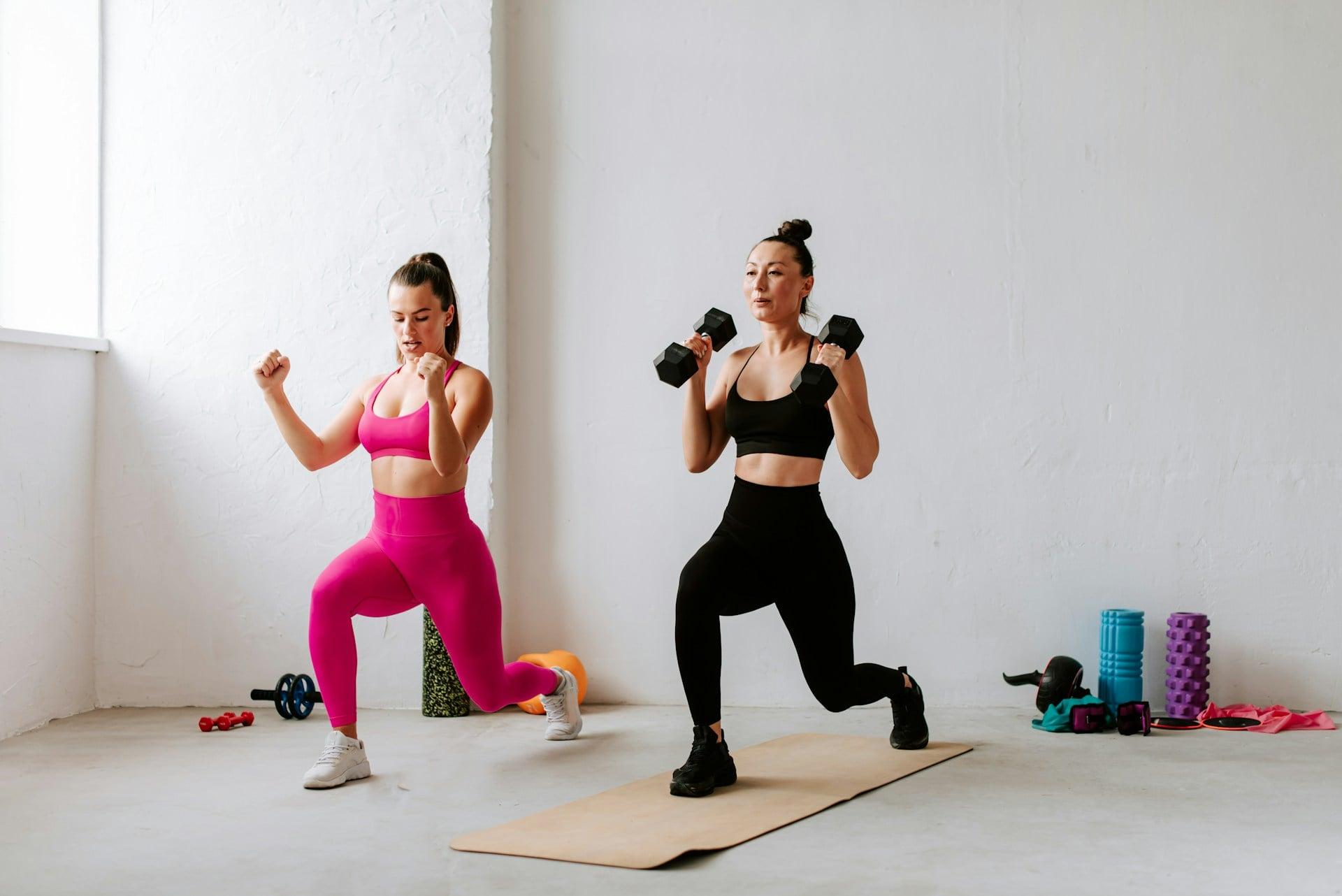
Lunges are just as powerful for targeting the thighs and glutes — and they also improve your balance and coordination.
- Stand tall, then step one foot forward into a wide stride.
- Lower both knees until your back knee nearly touches the floor.
- Push back up to the starting position, then repeat on the other side.
Do 15–20 reps on each leg, keeping every movement slow and controlled for maximum effect.
Why warming up properly actually matters
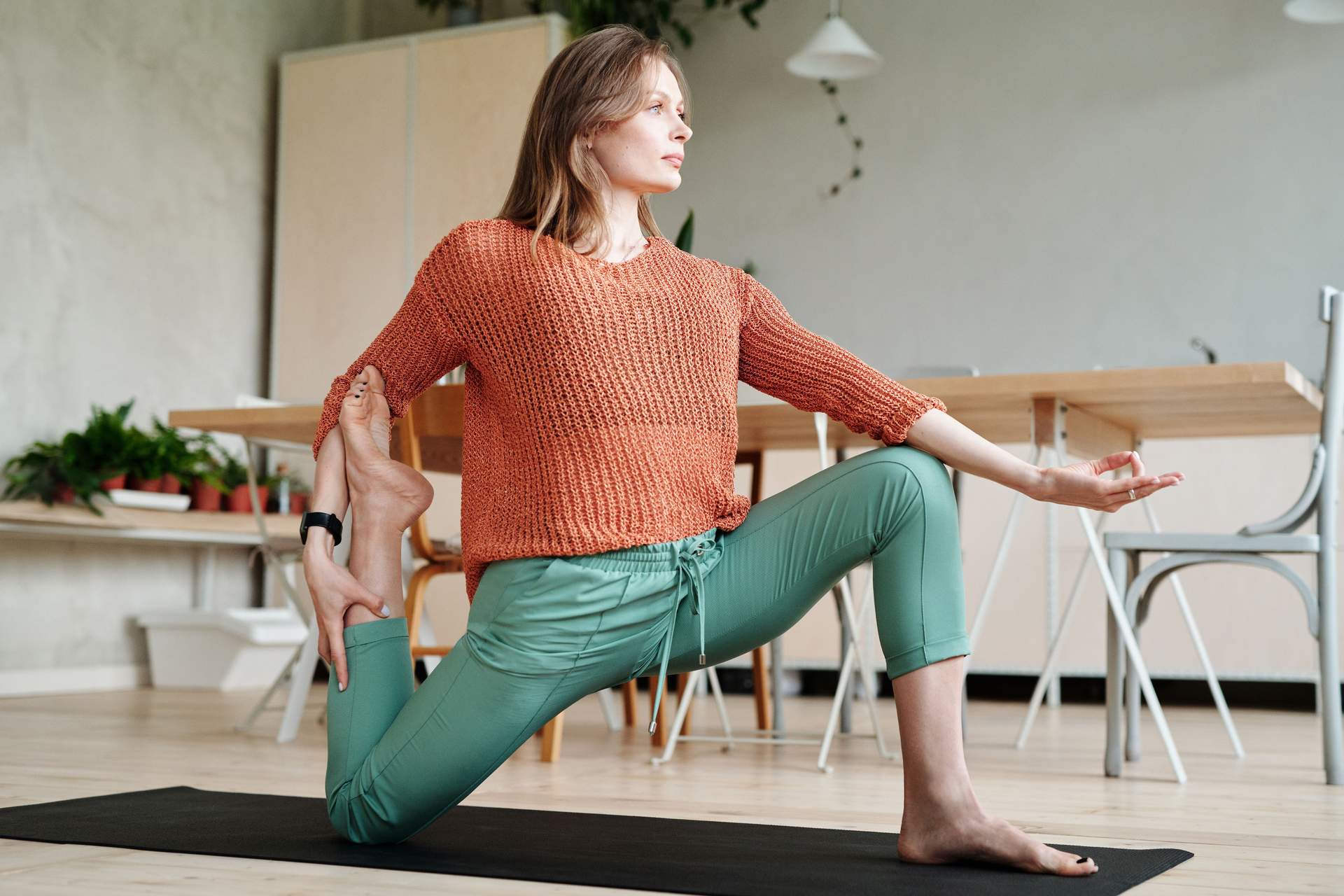
Skipping the warm-up is one of the most common workout mistakes — and one of the easiest to fix. Just 5 minutes of light cardio before you start, such as jogging on the spot, jumping jacks, or dynamic stretching, gets your blood flowing and your muscles ready to work. It also significantly reduces your risk of injury, which means fewer setbacks and more consistent progress.
Consistency and nutrition: the two things that actually drive results
The exercises matter, but so does everything around them.
Training 3 to 4 times a week can bring visible changes — but only if you stick with it long enough to let the work pay off.
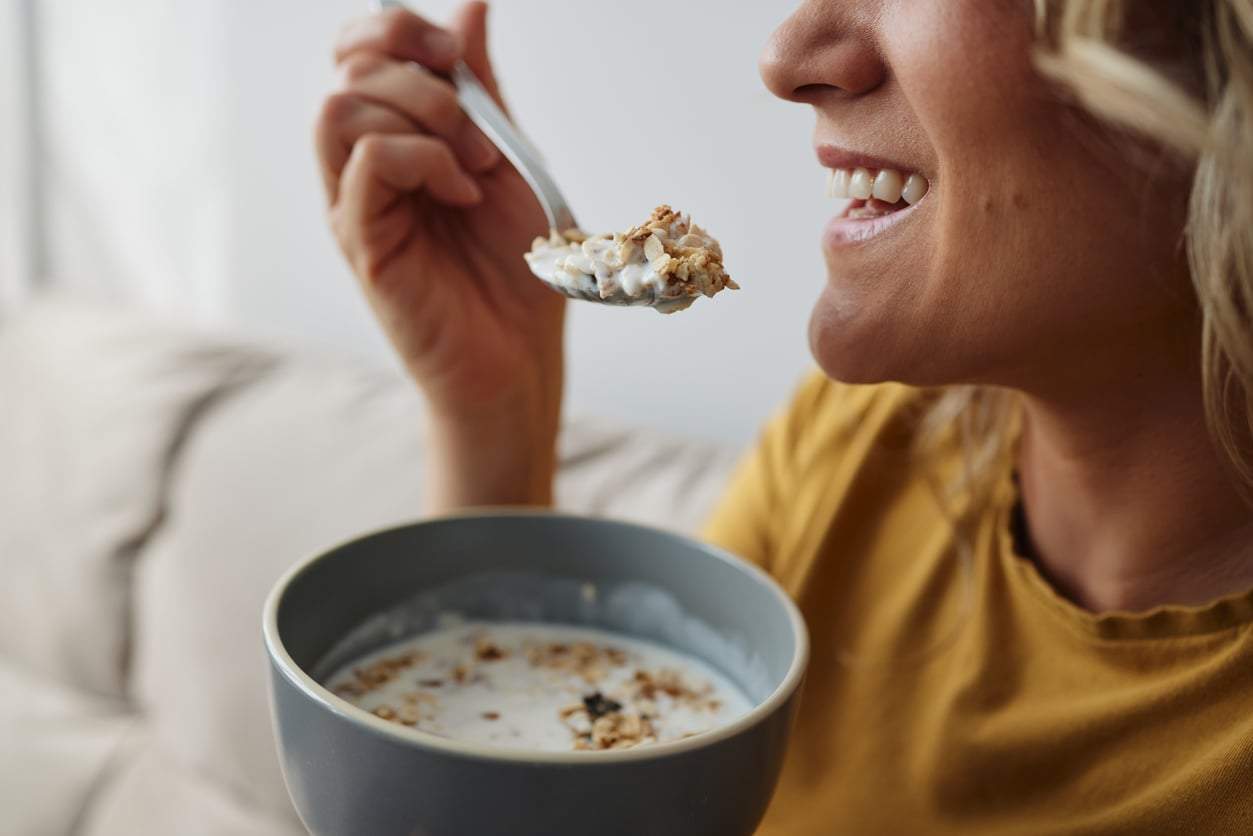
Alongside regular training, a balanced, protein-rich diet is essential. Protein supports muscle building and recovery, so make sure you're getting enough of it each day.
Don't overlook hydration either. Staying well-hydrated directly affects your performance during workouts and how quickly your body recovers afterward.
The women who prove what dedication looks like
Players like Alex Morgan and Marta Vieira da Silva are inspiring not just for their skill on the pitch, but for the discipline they bring to every training session. Their athletic physiques aren't accidental — they're the result of years of focused effort and a commitment to taking care of their bodies.
You can read more about the most iconic female footballers who continue to raise the bar for what's possible.
How to stay motivated when progress feels slow
Motivation naturally ebbs and flows — the key is building habits that carry you through the low-energy days. Tracking your progress in a simple workout journal can make a huge difference, because it shows you how far you've come even when you don't feel it in the moment.
Switching up your exercises every few weeks also keeps things fresh and prevents boredom from creeping in. And don't underestimate the power of small rewards — a relaxing bath, a favourite film, or simply a rest day well-earned can make your routine feel sustainable rather than like a chore.
Ultimately, it's the combination of persistence, regular training, and mindful everyday habits that builds the strong, athletic shape so many of us admire in professional athletes. The good news? Those same principles are available to everyone.