One week you're bursting with ideas, saying yes to everything, and feeling like the most capable version of yourself. The next, you want to cancel your plans, pull the covers over your head, and be left completely alone. Sound familiar? It's not a personality flaw — it's estrogen.
What estrogen actually does in the first half of your cycle
After your period ends, estrogen levels begin to rise steadily — and the effects go far beyond the physical. This hormonal climb can bring with it sharper focus, a surge in creative energy, and a greater sense of emotional stability. Many women describe feeling more motivated, more confident, and more socially open during this phase.
The reason comes down to brain chemistry. Estrogen influences key neurotransmitters like serotonin and dopamine, both of which play a central role in mood regulation and cognitive function. The result? Problems feel easier to solve, new ideas come more freely, and social interactions feel genuinely energizing rather than draining.
Your most creative window of the month
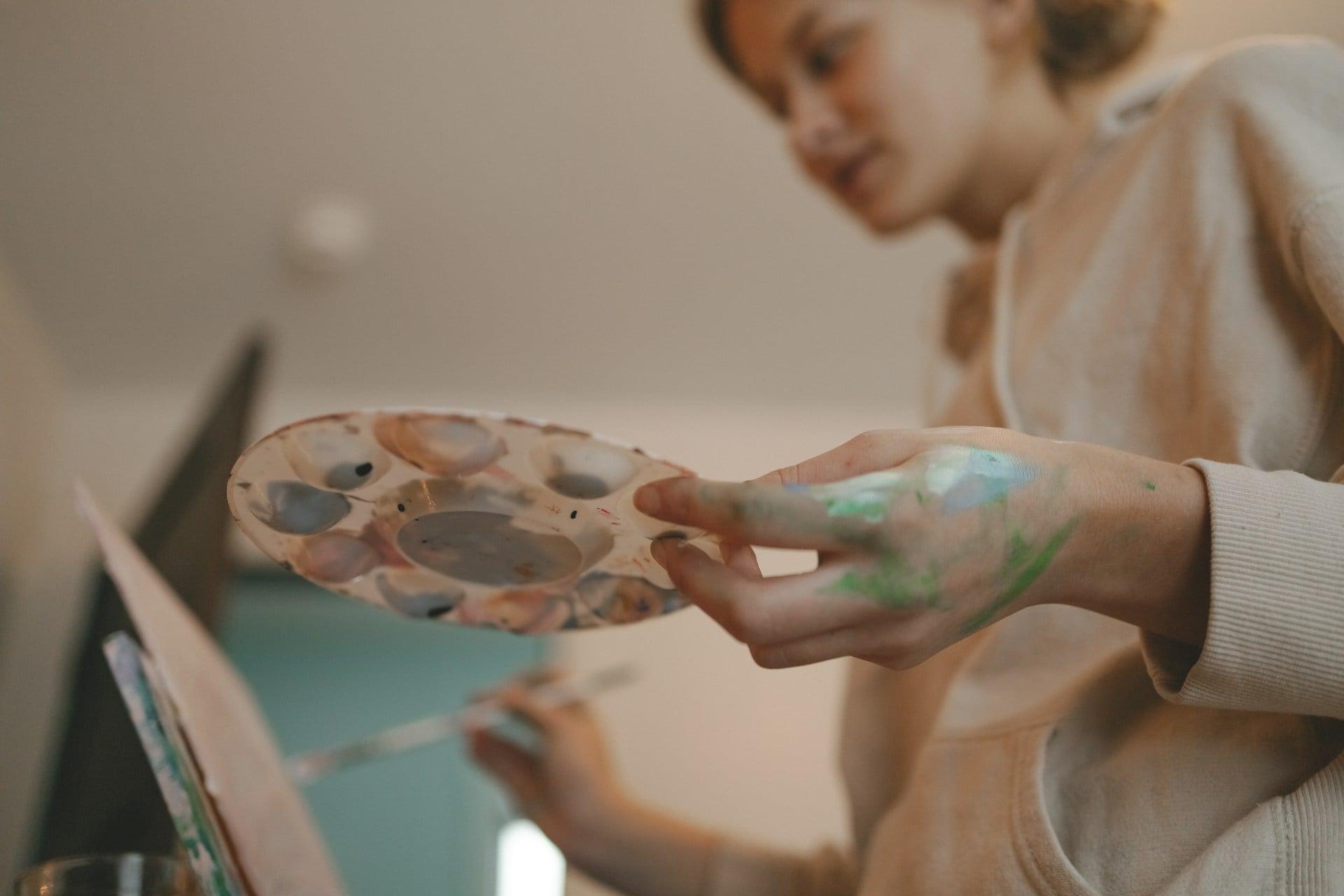
For many women, the follicular phase — the stretch between the end of menstruation and ovulation — is when creative work feels almost effortless. Whether you love writing, painting, making music, or brainstorming at work, this is often the phase where things just flow.
Women who track their cycles often notice that their best ideas, their most productive deep-work sessions, and their easiest moments of self-expression tend to cluster in this first half — when estrogen is on the rise.
This isn't just about mood. Estrogen actively supports mental performance and the kind of open, associative thinking that fuels creativity. It's a window worth knowing about — and worth planning around. If you've ever wondered how to align your schedule with your cycle, this phase is a great place to start.
The second half: when estrogen steps back
After ovulation, estrogen levels begin to fall and progesterone takes over. For many women, this shift is noticeable — not just physically, but emotionally and socially too.
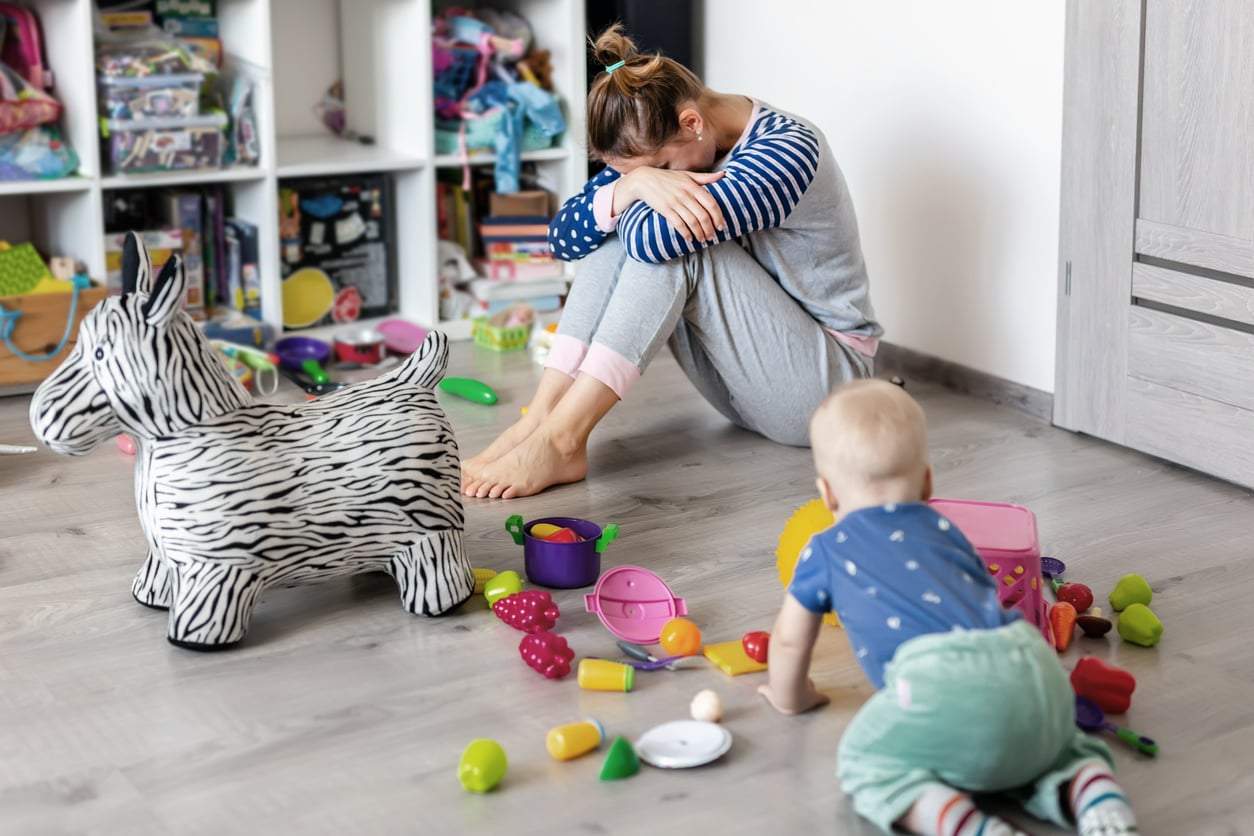
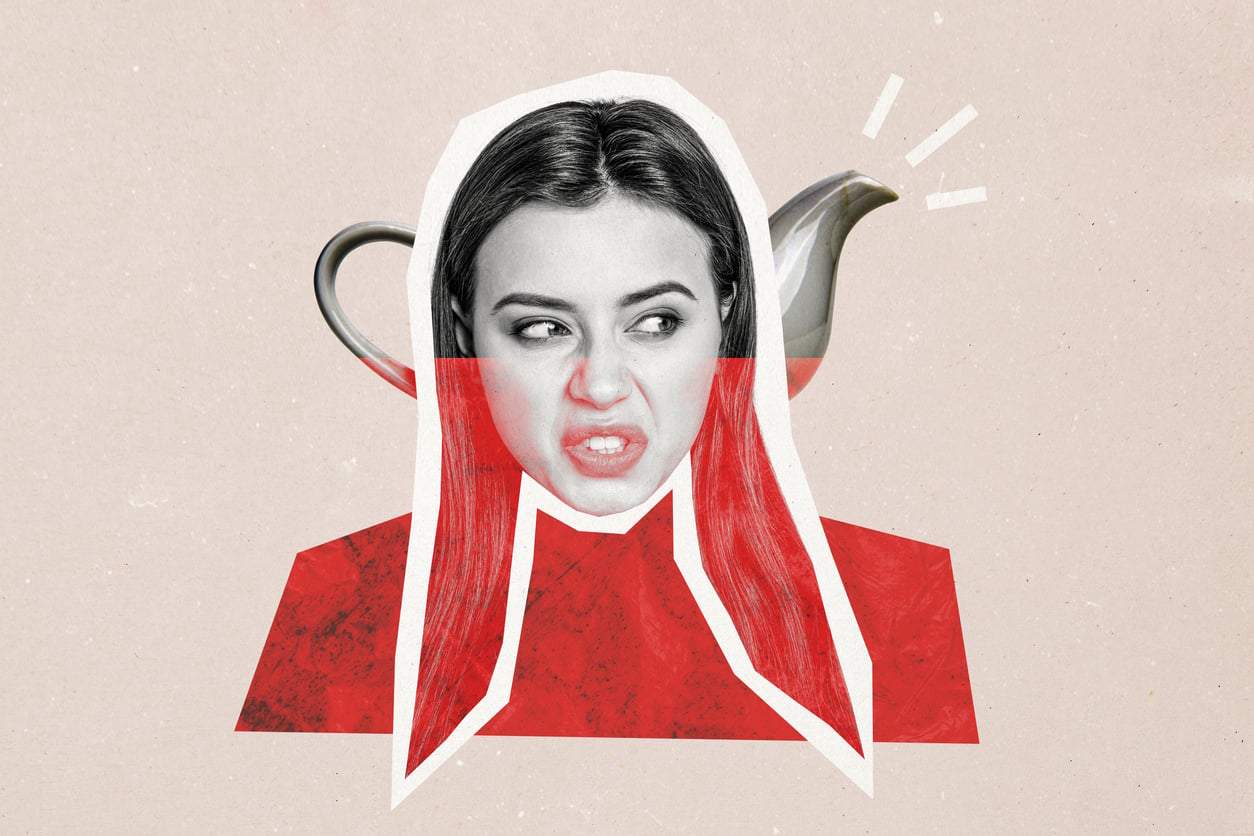
It's common to feel less drawn to social situations, more sensitive to noise and stimulation, and more in need of quiet time alone. The world can feel louder, more demanding, and harder to filter. Emotions tend to run closer to the surface, meaning that stress, minor conflicts, or even small disappointments can land with more weight than they would at other times of the month.
This doesn't mean something is wrong. It means your body is shifting gears — and it's asking you to slow down with it.
It's worth noting that these experiences vary enormously from person to person. Not every woman feels a dramatic shift in the luteal phase, and the intensity of symptoms can change from cycle to cycle.
How to stop fighting your cycle — and start working with it
The most powerful tool here is simple: self-awareness. When you understand your own hormonal patterns, you stop interpreting your low-energy days as laziness or your sensitive days as weakness — and you start seeing them as information.
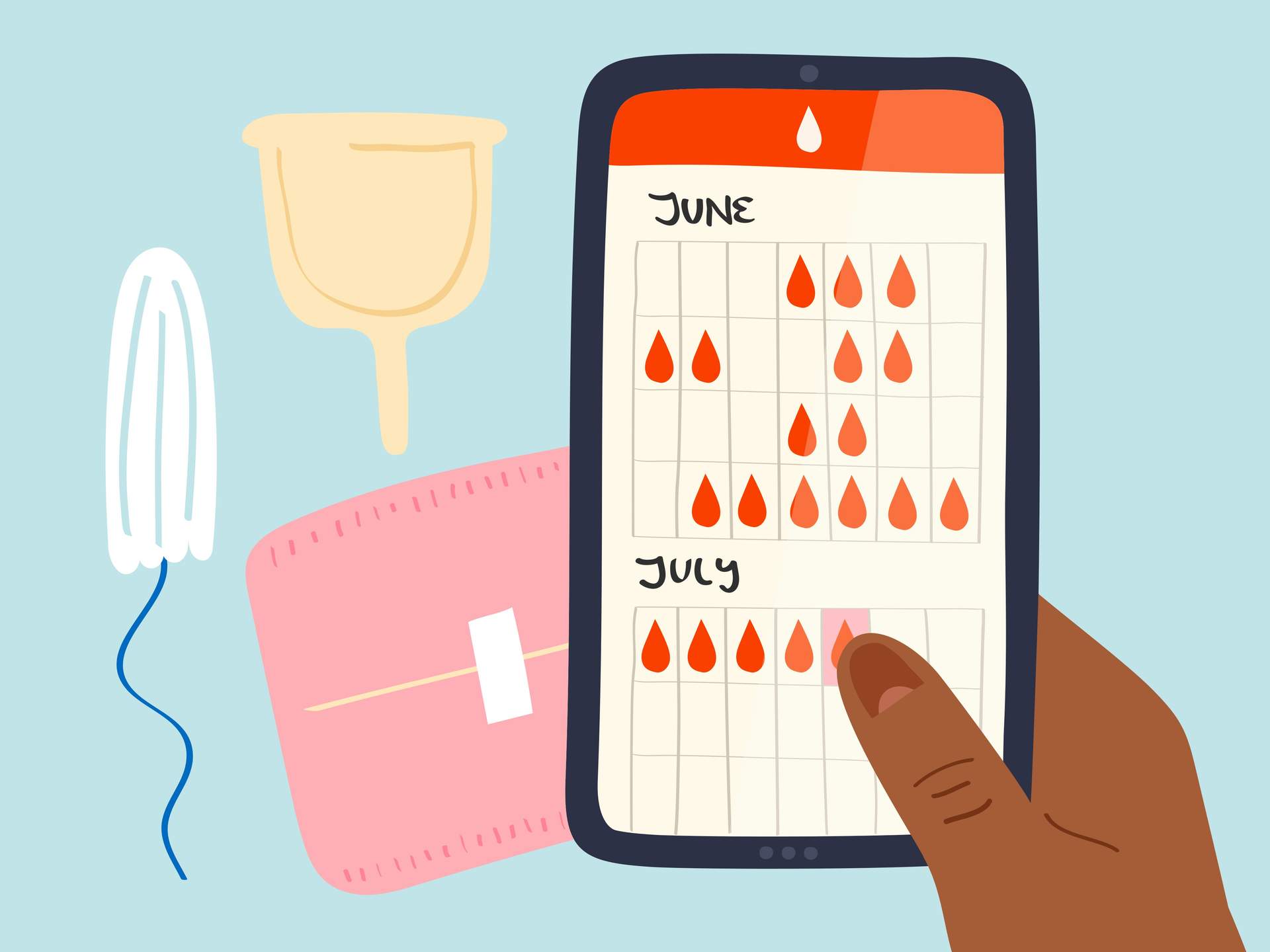
Keeping a cycle journal is one of the most practical things you can do. Note when you feel especially productive, creative, or social — and when you need more rest, more solitude, or more gentleness with yourself. Over time, patterns emerge, and you can begin scheduling your most demanding work, creative projects, and big social commitments around the phases when you naturally have the most to give.
Beyond tracking, the basics still matter: balanced nutrition, regular movement, and quality sleep all support hormonal balance and can soften the more challenging swings. These aren't magic fixes, but they create a foundation that makes the whole ride smoother.
The power of shared experience
There's something quietly powerful about talking to other women about this. Sharing your experiences — the high-energy weeks and the hide-from-the-world ones — can be both validating and genuinely useful. You might discover strategies that work for others, or simply feel less alone in what you're going through.
That said, every body is different, and what works beautifully for one person may not suit another at all. The goal isn't to follow a formula — it's to find the rhythms and habits that feel right for your body and your life.
Understanding your cycle doesn't mean being controlled by it. It means approaching those natural shifts with curiosity instead of frustration — and giving yourself the patience to meet each phase where it is. Over time, that awareness can lead to better wellbeing, more balanced days, and a much deeper relationship with yourself.