So I thought that if I said yes to everything, was always available, and met everyone’s expectations, everyone would love me. Spoiler: that’s not how it went.
At first, saying no feels like a loss
As a true perfectionist, I believed for a long time that being lovable meant always being the "nice one": understanding, flexible, reachable, and up to date. I was raised to be adaptable and self-sufficient without bothering anyone. I tried hard to live up to that.
I learned not to "cause trouble," and although I rebelled a lot as a teenager, asking for help felt like a real defeat—so I never took that chance. But if someone asked me for something, I automatically said yes. I didn’t want to lose love, relationships, or opportunities.
Then I noticed that even though I was always smiling and trying to please everyone, inside I was growing more and more exhausted. I found it harder to tell what I truly wanted and what I was doing just to make others happy.
What if we saw "no" as a simple change of direction?

I honestly can’t remember the first time I truly said no to someone. There’s no single moment, life-changing conversation, or conflict that flipped everything.
It probably didn’t happen like in the movies—no dramatic silence or grand exit. It started slowly, almost unnoticed. A small choice not to reply immediately. Not taking on one more task. Not signing up for something I didn’t want to do, just because of outside pressure.
I didn’t say it out loud, but I stopped saying yes reflexively—and that changed everything.
Over time, I grew braver. Not because I stopped fearing rejection overnight, but because I started paying attention to what was happening inside me. I felt how freeing it is not to betray myself just to please others. How good it feels to end the day knowing I gave only as much of myself as I could handle.
Today, I truly believe that every "no" we say to others is an honest "yes" to ourselves. A yes to what we feel, want, and need in that moment. To me, this isn’t rejection—it’s authenticity (even when I’m the one receiving the no, not giving it).
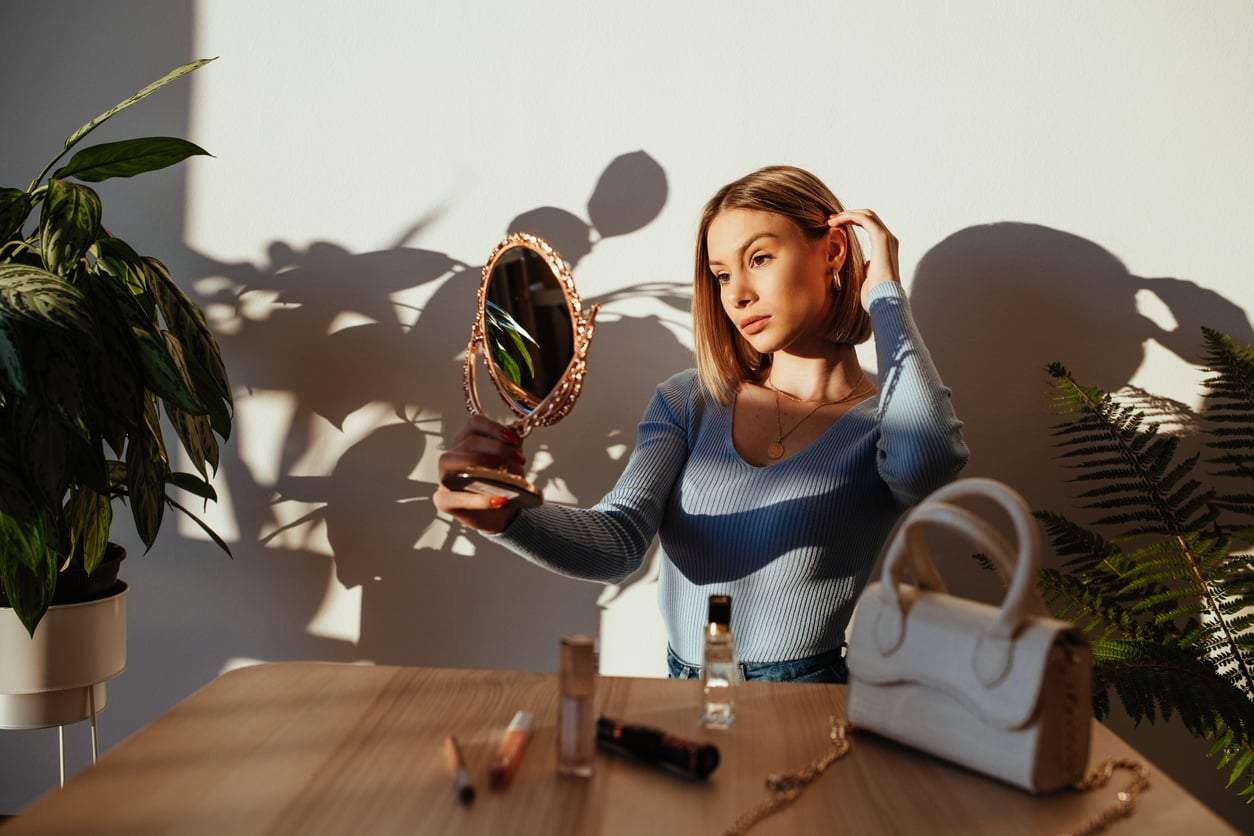
Saying no isn’t about pushing others away; it’s about standing up for ourselves—and that’s something to recognize even when the mirror reflects it back.
Real connection starts at the boundaries
The best part? Saying all those "nos" didn’t harm my relationships—they actually became clearer. The surface-level, "we meet just because it’s expected" connections faded away. What remained were deeper, more honest bonds.
Now, I don’t stress for days over how I should have responded, whether I should have replied, or taken on something. I accept that everyone is responsible for their own feelings, choices, and boundaries. It’s not my job to fix everyone’s life—just to help when asked and when I can.
And you know what happened?
I’m not constantly tired. I don’t spend weeks wondering if I can go to an event or if it’s too much for my family. I’m not frustrated when I take time for myself. I have way more energy for myself, my loved ones, and what truly matters.
I hear more and more, "It’s amazing how you stand up for yourself! How do you do it?" And I just say, "I don’t know. For me, this is just the baseline now."
This isn’t a switch you flip all at once. It’s a process—sometimes slow, sometimes tough—but every step brings you closer to the person you truly want to be.
For me, saying no is no longer teenage rebellion—it’s a conscious choice to honor my adult self. It’s not about showing strength or building walls, but knowing where I end and others begin. Knowing what I give wholeheartedly and what I’d only do to avoid hurting others while betraying myself.
I can’t offer a universal guide on how to do this well. I practice every day and sometimes slip up. But I know for sure it doesn’t have to be perfect right away. You just have to start—with one no.