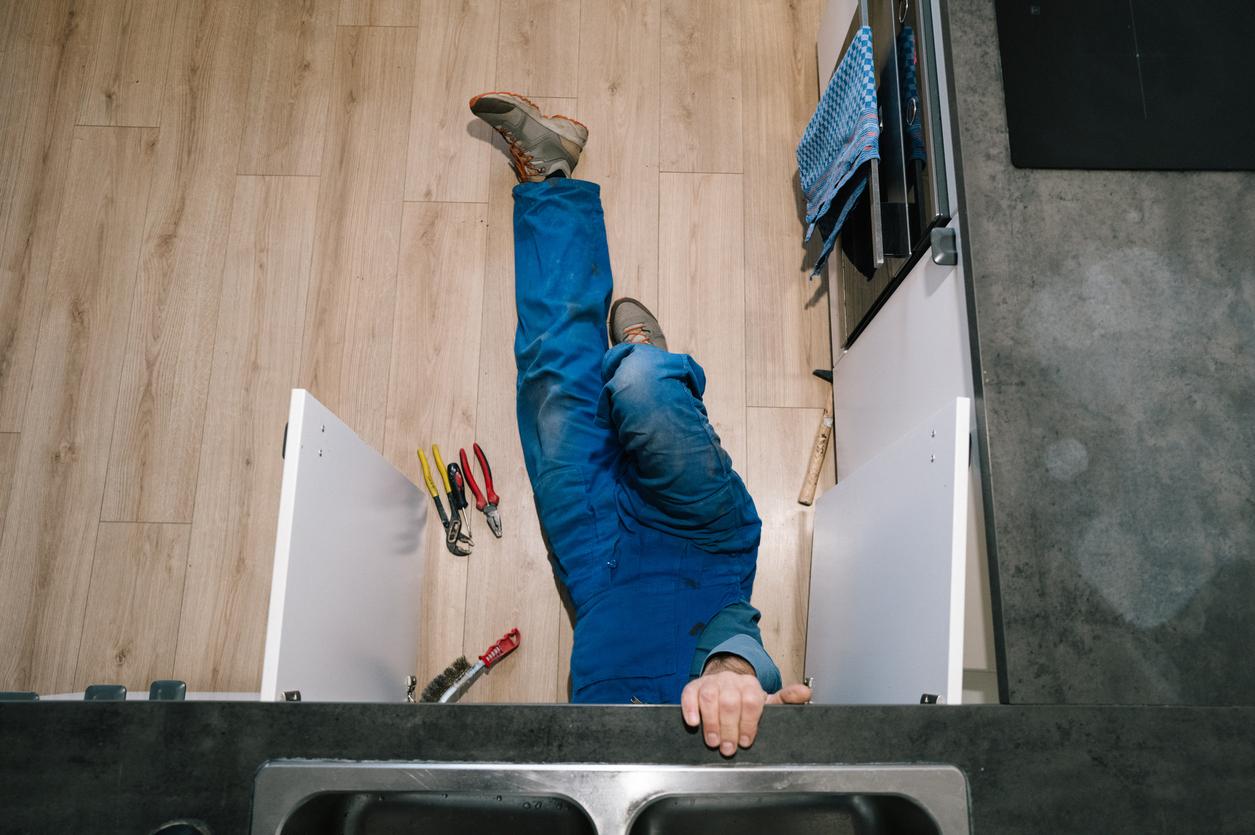
Since moving into the apartment where I live with my daughter, I’ve learned that home is never truly finished; maintaining a property is a constant project. Broken pipes, creaky floors, moldy corners, repainting the bedroom: over the years, countless repairmen and specialists have come through our door. And there’s one question that almost always comes up, asked so naturally it’s like asking about parking in the neighborhood:
“No receipt? Is that okay?”
I used to get flustered hearing this. I sensed the unspoken offer: we’d both come out ahead. It’d be cheaper for me, and they’d keep more. Saying no would feel silly! But nothing would be officially recorded.
Over the years, I’ve learned there’s only one answer to this question: no. No, it’s not okay without a receipt. Even if it seems like we’re both losing out financially at first glance.
A receipt isn’t just a piece of paper. It’s not an administrative burden. It’s proof of the job being commissioned, accepted, and completed. It sets clear boundaries for what would otherwise be a verbal agreement between two parties with different interests and room to maneuver.

Without a receipt, we’re completely unprotected
If something goes wrong with the work, there’s nothing to refer to. If the contractor doesn’t show up at the agreed time, disappears with the deposit, or suddenly demands several times the agreed price, it’s tough to hold anyone accountable. No proof, no official connection, no legal ground.
Yet, as a society, it feels like we’ve silently agreed to forget all this. That contracts are too formal, receipts too much hassle, and rules too rigid. We’d rather find a clever workaround.
But this culture of “clever workarounds” comes at a cost: it creates an environment where there’s no real security between client and contractor. Horror stories become common: the no-show specialist who keeps you waiting for weeks; the one who takes the cost of materials and vanishes; shoddy work no one fixes; or the moment when it suddenly “turns out” the job costs way more than agreed.
Sure, these might be extremes. Most people are honest—I believe that. But the system is still flawed even with many good players. Without clear terms and documentation, every dispute turns personal. There’s nothing to rely on but memory and goodwill.
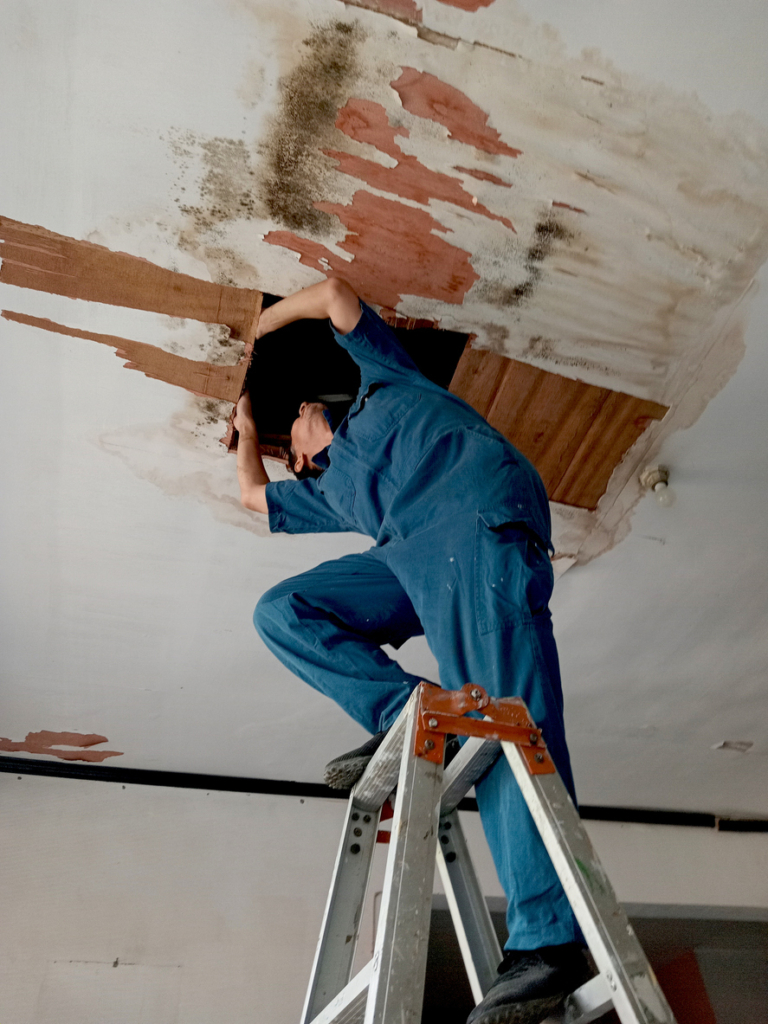
There’s no room for uncertainty
As a single mom, I’m especially sensitive to this. I can’t afford weeks of uncertainty over unfinished work. I can’t accept finding out afterward that we understood the agreement differently. I need security—not just physically, but legally too.
Yes, paying with a receipt costs more. Yes, it’s obvious more money leaves my pocket. But in return, I get something far more valuable: peace of mind. I know there’s something to refer to. If a problem arises, I’m not asking for a favor—I’m expecting a contract to be honored.
I also believe this isn’t just a personal choice but a mindset. As long as we accept the “no receipt” option as normal, we keep a gray zone alive where everyone takes a risk. And ultimately, the client is the one in the weaker position.
This attitude needs to change. Work should be brought back under clear, regulated terms. Not to punish anyone, but because clear agreements protect both sides. The repairman knows what he’s committing to, and the client knows what to expect. That’s how fairness works, in my opinion.