Flickering lights at home—definitely not the kind of light show you want after a long day. While it can seem alarming at first, it doesn’t always mean there’s a serious problem: often the cause is pretty simple, like a faulty bulb or switch. Still, it’s good to know when to take it seriously and when to call in a pro.
1. The Bulb Is to Blame
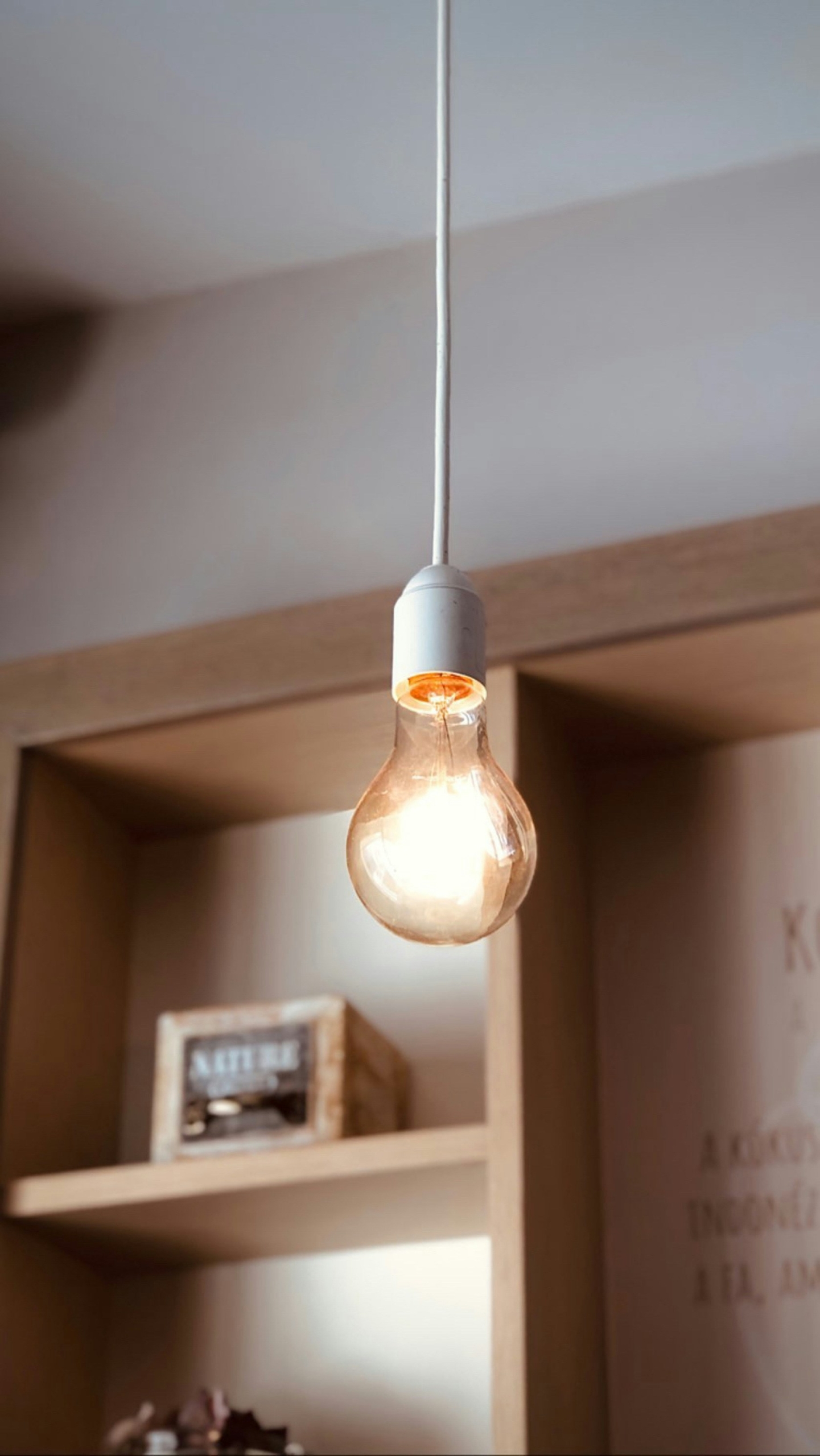
The most common (and harmless) culprit is a failing bulb. Fix it: Swap it out for a new one—if the flickering stops, problem solved. LED bulbs especially can start to flicker over time, but a quick replacement usually does the trick.
2. Faulty Switch
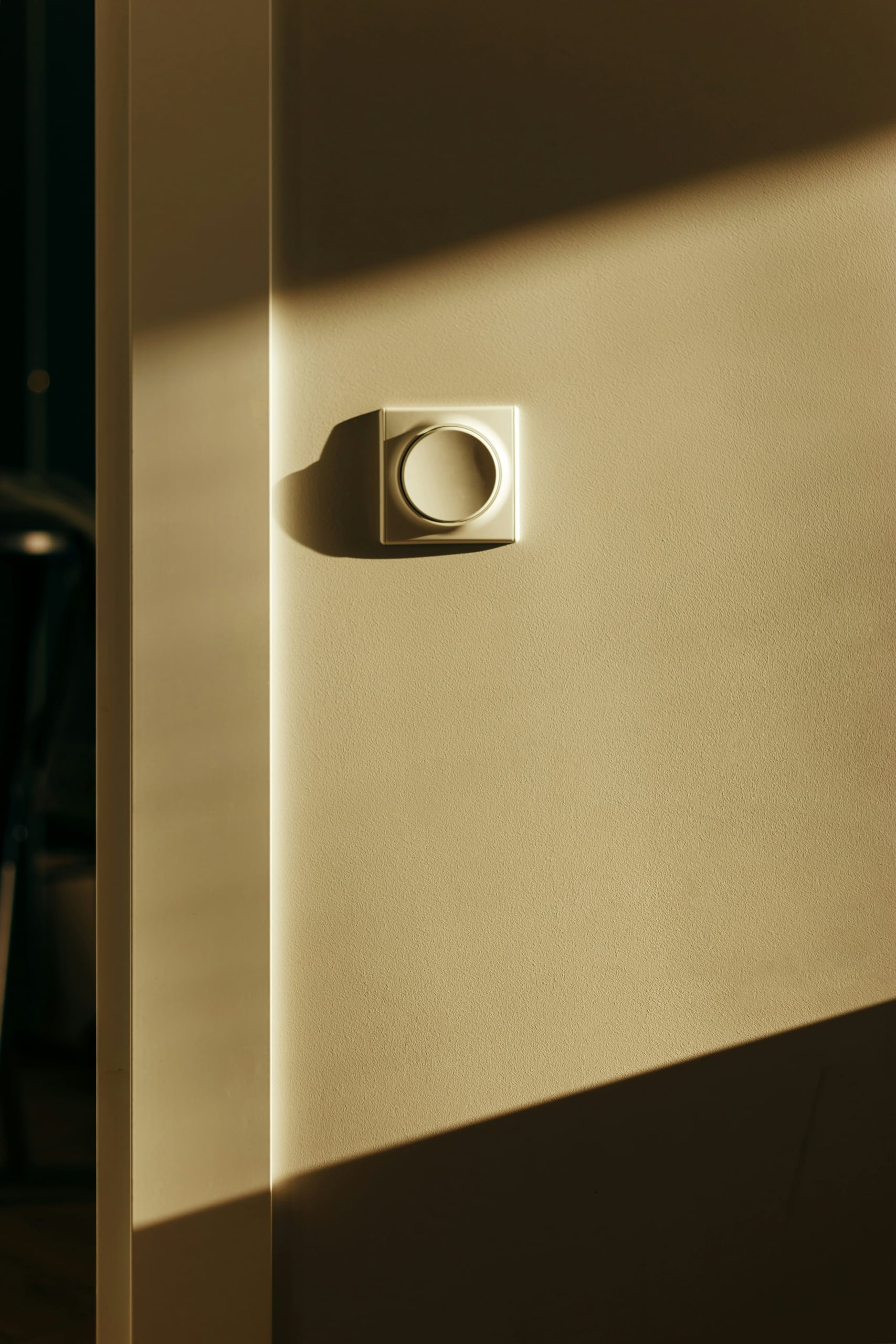
Switches take a daily beating and can wear out or develop contact issues. If your light flickers only when you touch the switch, this is likely the cause. Fix it: If you’re comfortable with basic electrical work, you can replace the switch yourself with the power off. Otherwise, call a professional—electricity isn’t something to mess with.
3. The Fixture Itself Is Faulty
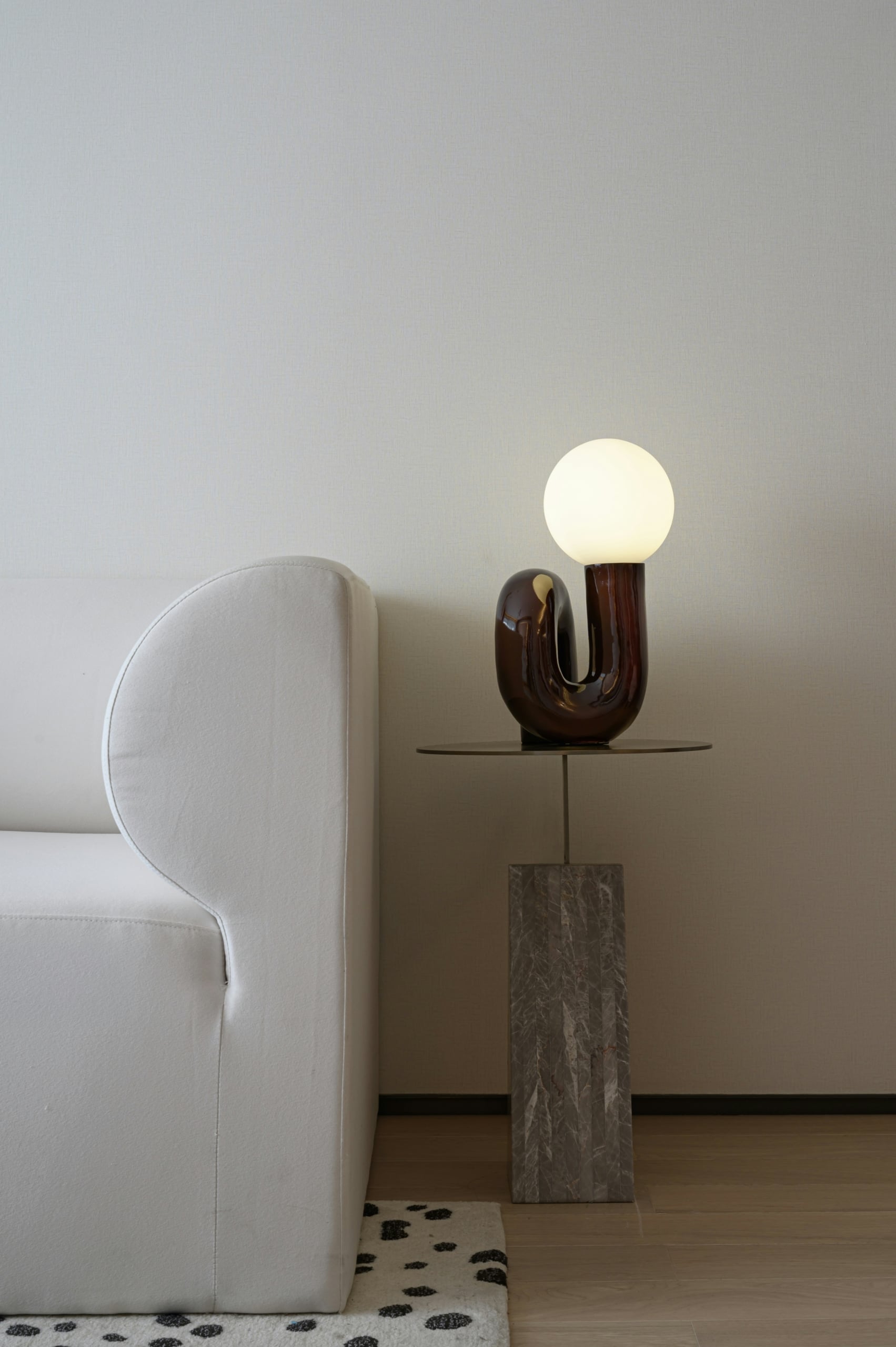
Sometimes the issue lies within the fixture. Loose connections or corrosion can cause flickering. What can you do? For valuable or decorative fixtures, try cleaning or repairing the connections. For cheaper ones, it’s often easier and safer to replace the whole fixture.
4. Incompatible Bulb or Dimmer
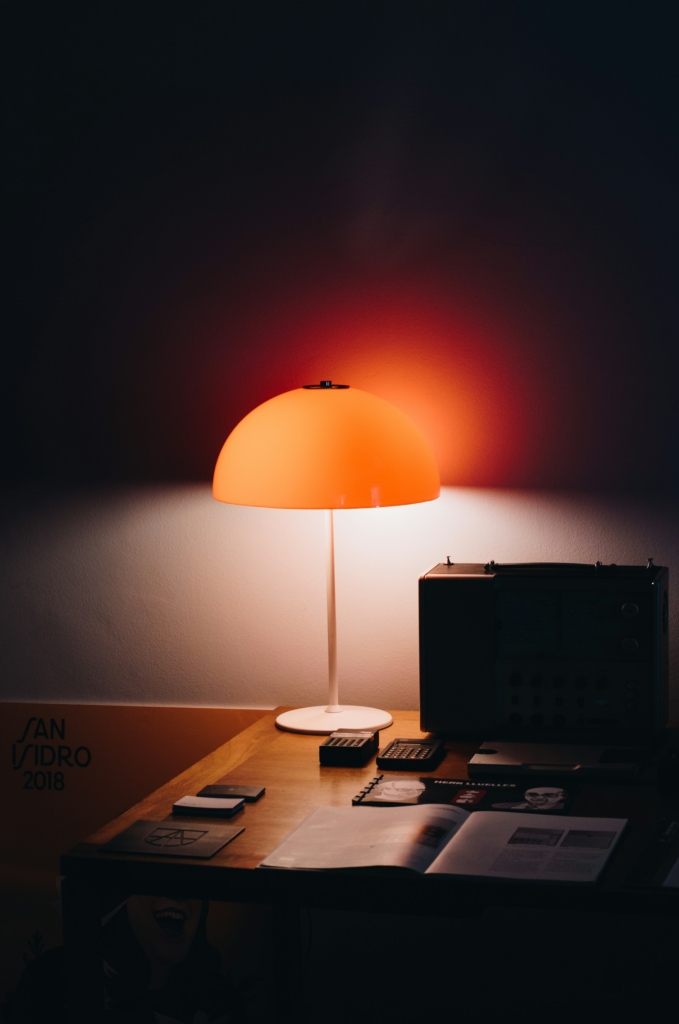
If you’re using a dimmer switch, your bulb might not be compatible, which can cause flickering. Fix it: Check the bulb packaging to see if it’s dimmer-compatible. If not, try a standard bulb or one labeled specifically as dimmer-compatible LED.
5. Loose or Damaged Wiring
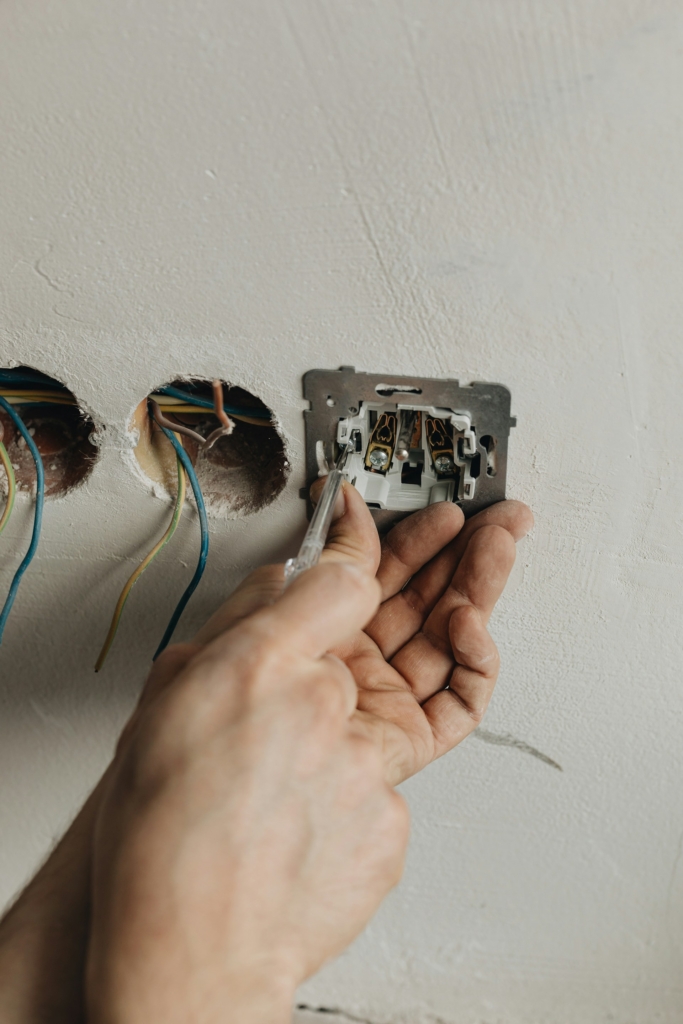
If the bulb, switch, and fixture check out, wiring might be the issue. Loose or worn cables can interrupt the circuit, causing flickering. What can you do? Safety first: turn off the breaker and, if possible, have the wiring inspected. If you’re not confident, hire an electrician.
6. Overloaded Circuit
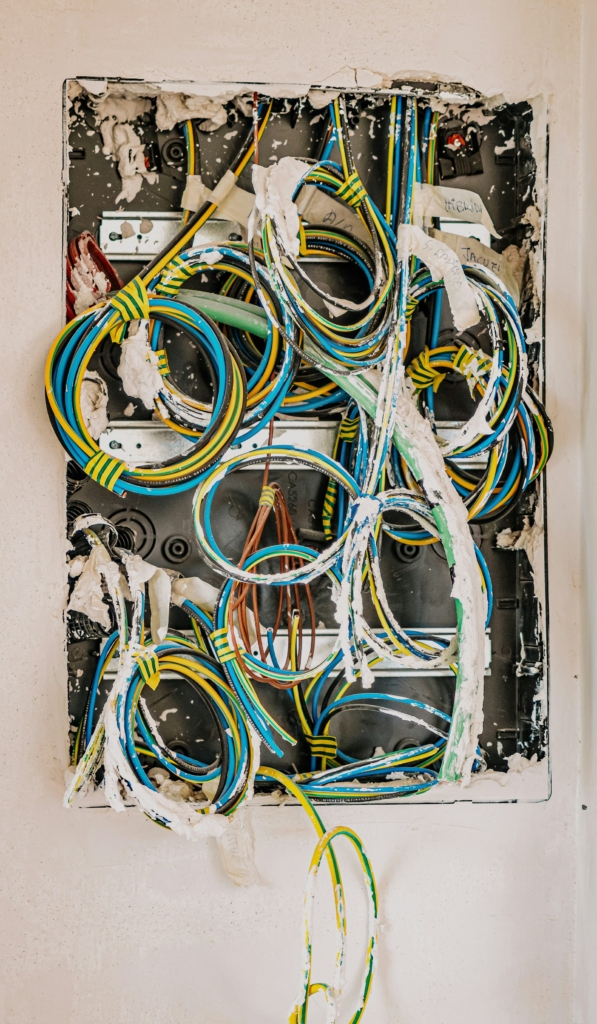
If your light flickers whenever you turn on a high-power device (like a hairdryer, vacuum, or dishwasher), it’s likely the light shares a circuit with that device. The heavy load causes a brief voltage drop. Fix it: Plug the device into a different outlet or have a separate circuit installed for high-power appliances.
When to Call an Electrician
If your lights not only flicker but also buzz, get hot, emit strange smells, or if the problem happens in multiple rooms, don’t wait—call a professional immediately and turn off the power at the breaker. Flickering can be a minor annoyance or a sign of a serious electrical issue. Better safe than sorry—let an expert check it out.
If you’ve ruled out everything and the flicker persists, try switching from LED to a traditional bulb. Sometimes, modern tech brings modern quirks.