Recently, I shared an opinion on my social media. It was about the government needing to take responsibility for the fate of babies left behind in hospitals. In any society, the responsibility of leaders and decision-makers doesn’t end with budget lines or press conferences: it also means protecting the most vulnerable, standing up for them, and doing everything possible for their well-being and safety. For people who have no voice, no choice, and nowhere else to go.
After sharing, I received several messages. Luckily, none said the issue wasn’t important. None denied it was a real problem. But many wrote, “please don’t politicize this”. Friends, acquaintances, or just followers said they were tired of politics, that it’s everywhere, and they didn’t want to hear more about it.
And I truly get that. Honestly.
I understand how emotionally draining it is. How people become numb over time because there’s too much upsetting news, too few solutions, and often a paralyzing feeling: it’s not up to me anyway. I also get that many want to escape constant conflict. That it feels good to just scroll through recipes, travel photos, funny videos, and believe the world’s big issues will keep moving on without us.
But I don’t think we can afford that luxury.
Because while babies left behind cry alone in hospital beds, how could we stay silent for them just because it’s easier to scroll through cheerful content on Instagram? How could we think we have that right? That our comfort is more important than the lives and safety of those who literally depend on us?
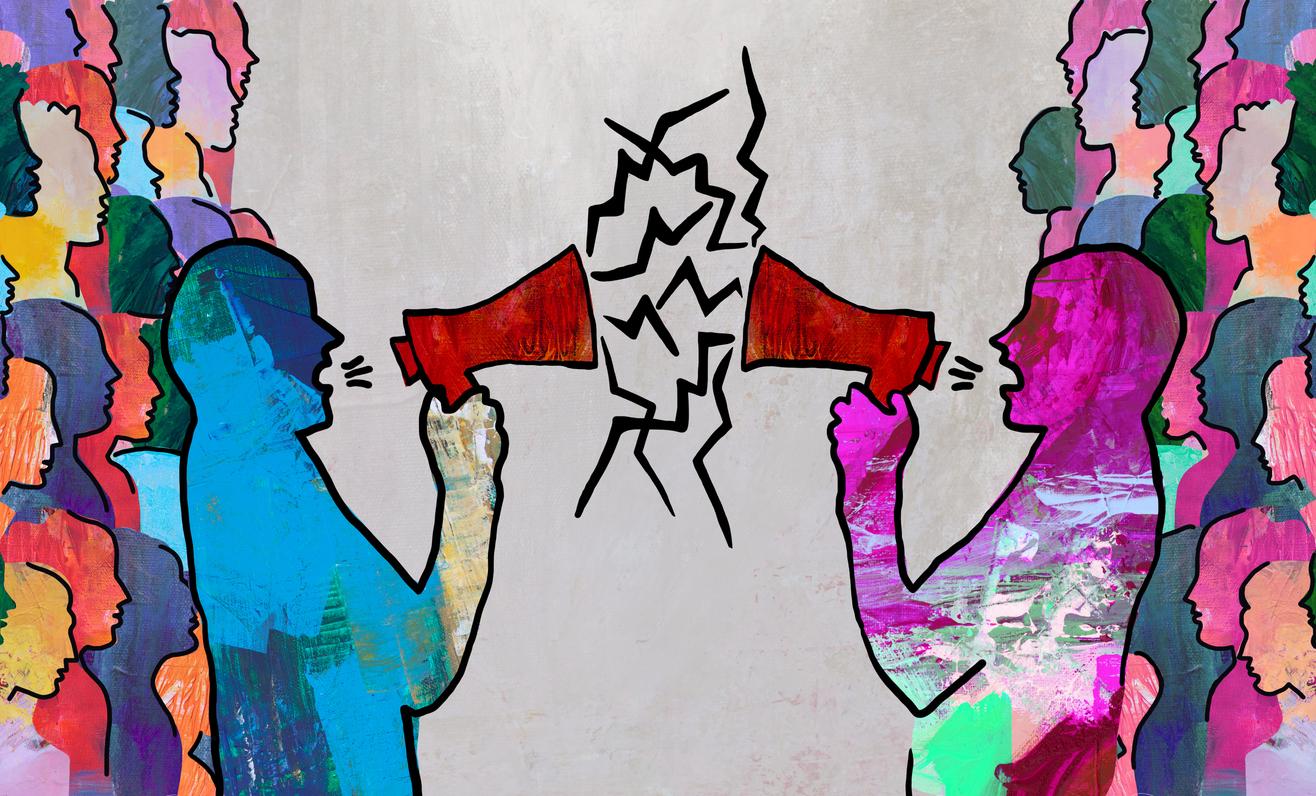
I’m not saying we should live in constant guilt. I’m not saying we should only talk about politics. I don’t believe every post needs to be a manifesto. But I do believe that not politicizing—especially in situations like this—is a privilege. A privilege only those can afford who aren’t directly affected by the consequences of decisions. But I don’t think any of us are that person, since we’re all part of a community—what affects one affects us all.
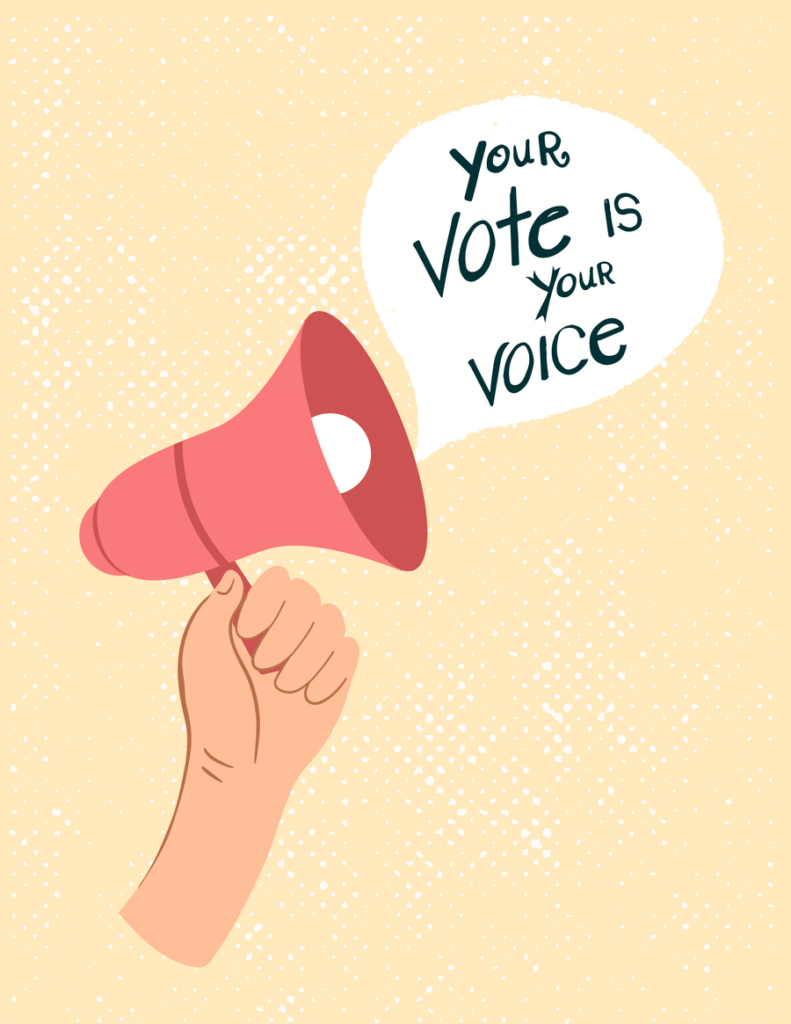
Living in a democracy is not just a right. It’s a responsibility. It means we all have a seat at the table, even if we don’t make every decision. It means that what we ignore silently, we contribute to quietly. So silence is not neutral—it’s a stance.
I don’t enjoy this either. It’s not my favorite topic. It would be so much easier not to engage, not to argue, not to risk uncomfortable conversations or messages. But if we live in a democracy—and we do—then we all share responsibility for the direction of this country. For who we leave behind and who we’re willing to raise our voices for.
It might be tiring. It might be uncomfortable. But sometimes, the cost of silence is far greater than speaking up. And I don’t want to live in a society where we cover our ears just to avoid hearing children cry.