Cover image: IMDb
Opinion: Borka Shoemaker
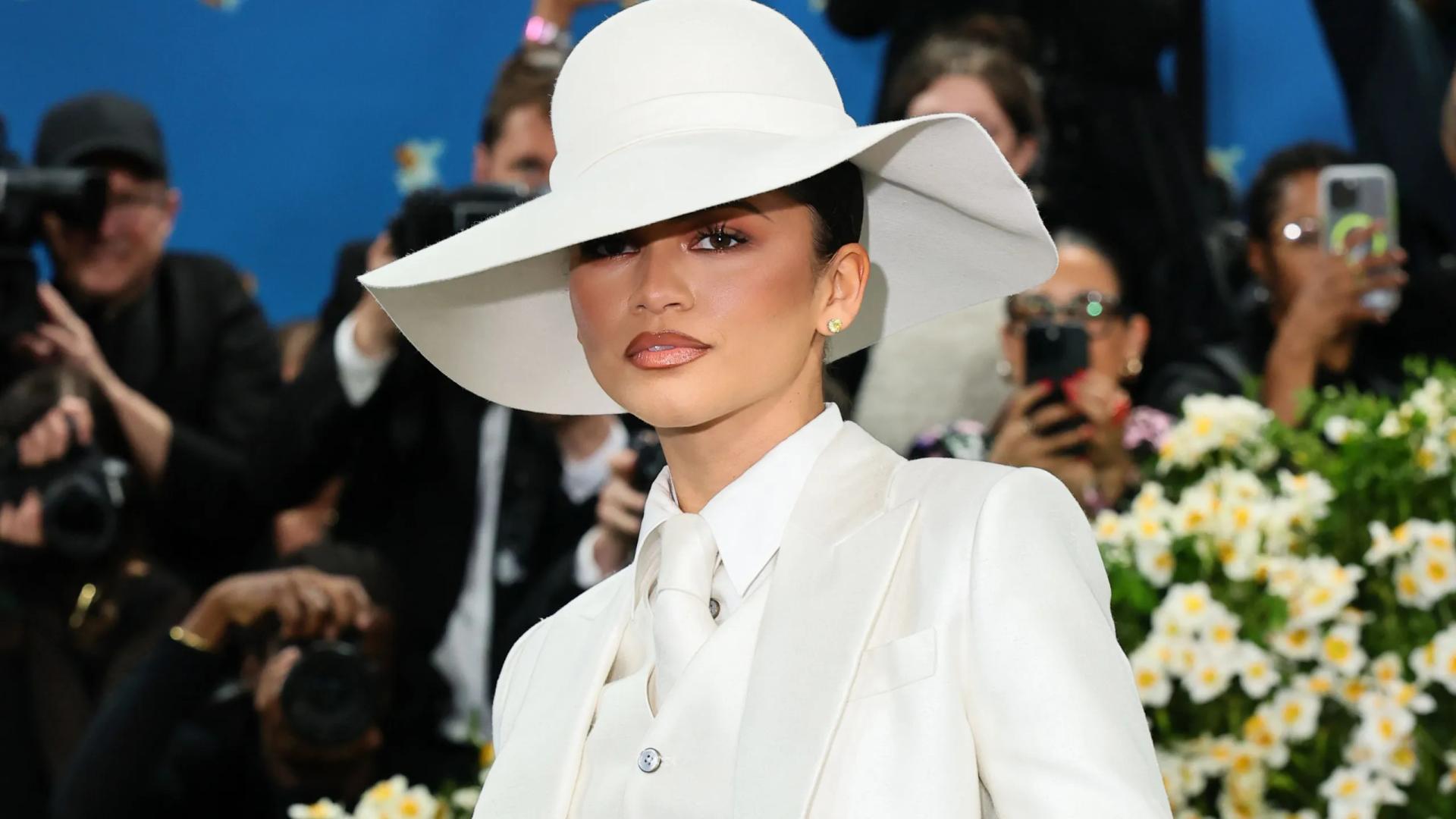
For a few days, the internet collectively believed it was looking at Zendaya and Tom Holland’s wedding photos. Social media was flooded with “leaked” shots: perfect lighting, flawless composition, intimate moments. But there was one tiny catch: none of it was real. These images were created using artificial intelligence, and while they convinced many at first glance, they were actually part of a digital illusion crafted by an AI artist. By the time the story spread, the real question wasn’t whether it was true, but how easily we believed it.
This episode isn’t important on its own, but because it shows exactly where we stand. In the AI era, it’s increasingly unclear whether what we see is documentation or fiction. A photo is no longer proof—just one version of many possible realities. And that’s both unsettling and freeing.
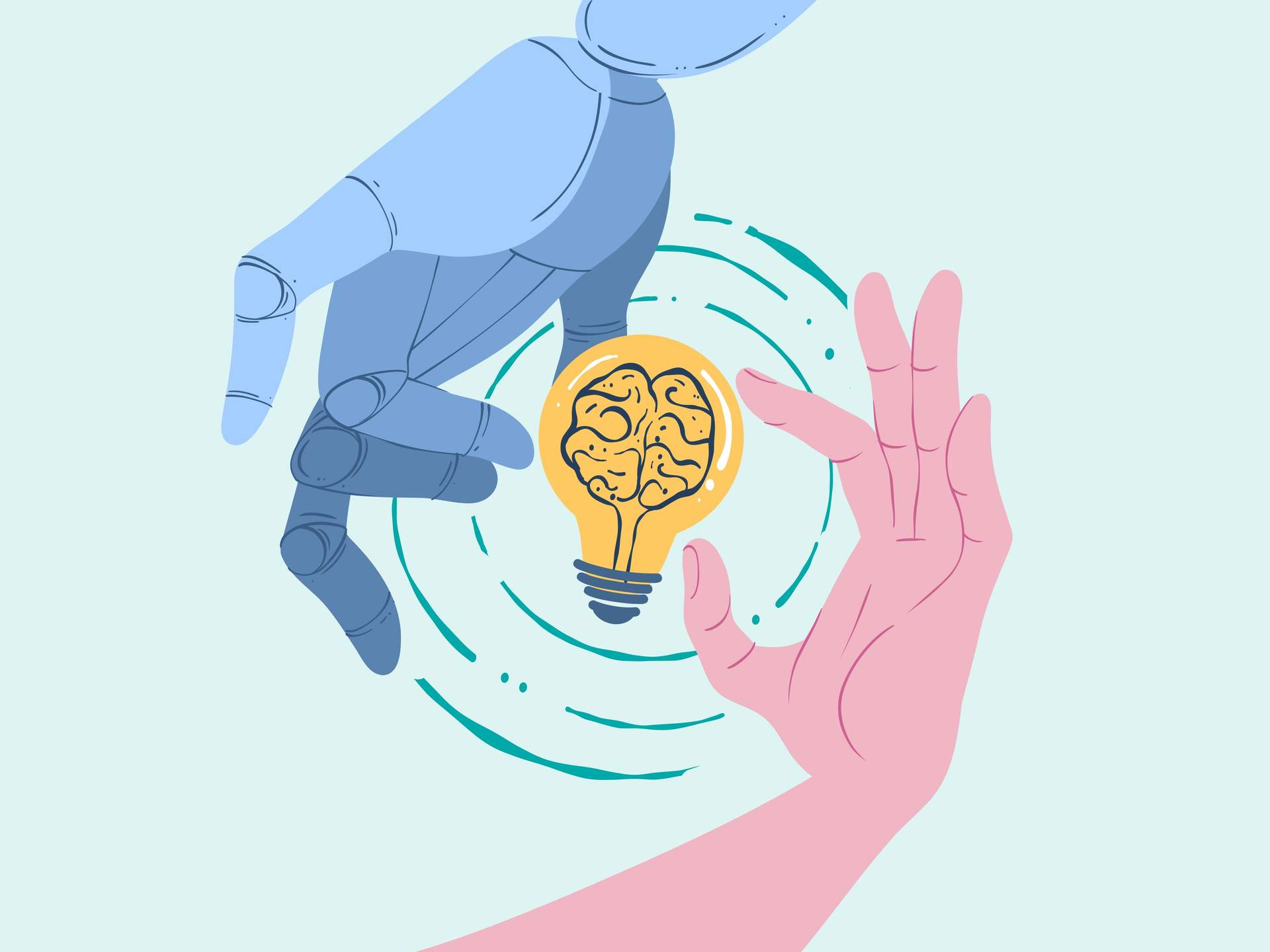
Freeing, because it opens brand-new horizons for art. Visions that were once impossible technically or financially can now come to life. Creators can show not only what exists but also what’s imaginable. In this sense, AI isn’t necessarily the enemy of truth—it’s a tool for imagination.
But this is exactly where the line between art and manipulation starts to blur
What happens when the goal isn’t to show something new, but to deceive someone? When the image doesn’t ask questions but makes statements? When it’s not playing with reality, but altering it?
I tend to believe that the value of an artwork lies mainly in its honesty. Not necessarily in the sense of “telling the truth,” but in not hiding its own nature. A painting doesn’t pretend to be a photograph. A surreal scene doesn’t try to pass as documentary. And if it does, recognizing that becomes part of the experience. There’s the playfulness, the irony, the moment of realization.
But with AI-generated wedding photos or fake celebrity images, that layer is often missing. They’re not made to make us think, but to make us believe. And when that works, it’s not an artistic experience—it’s a very effective manipulation.
It’s worth bringing in the concept of hermeneutics here. This approach says that the meaning of an artwork doesn’t exist on its own but is created together with the viewer. So it’s not just about what we see, but how we interpret it. Within this framework, AI images aren’t inherently problematic. The question is how we engage with them.
Do we accept them without thinking because they look good and are easy to consume? Or do we start asking questions? Who made this? Why? What do they want to achieve? Am I seeing reality or a deliberately crafted illusion?
The Zendaya photo case was so telling because it showed how much we want to believe images. How comfortable it is not to doubt. But from a hermeneutic perspective, this responsibility doesn’t lie only with the creator—it’s ours too.
Ultimately, it’s up to us what AI images mean in our culture. They can be extensions of art that raise new questions about reality, imagination, and truth. Or they can be just quick content that satisfies curiosity while distracting us from what we’re really seeing.