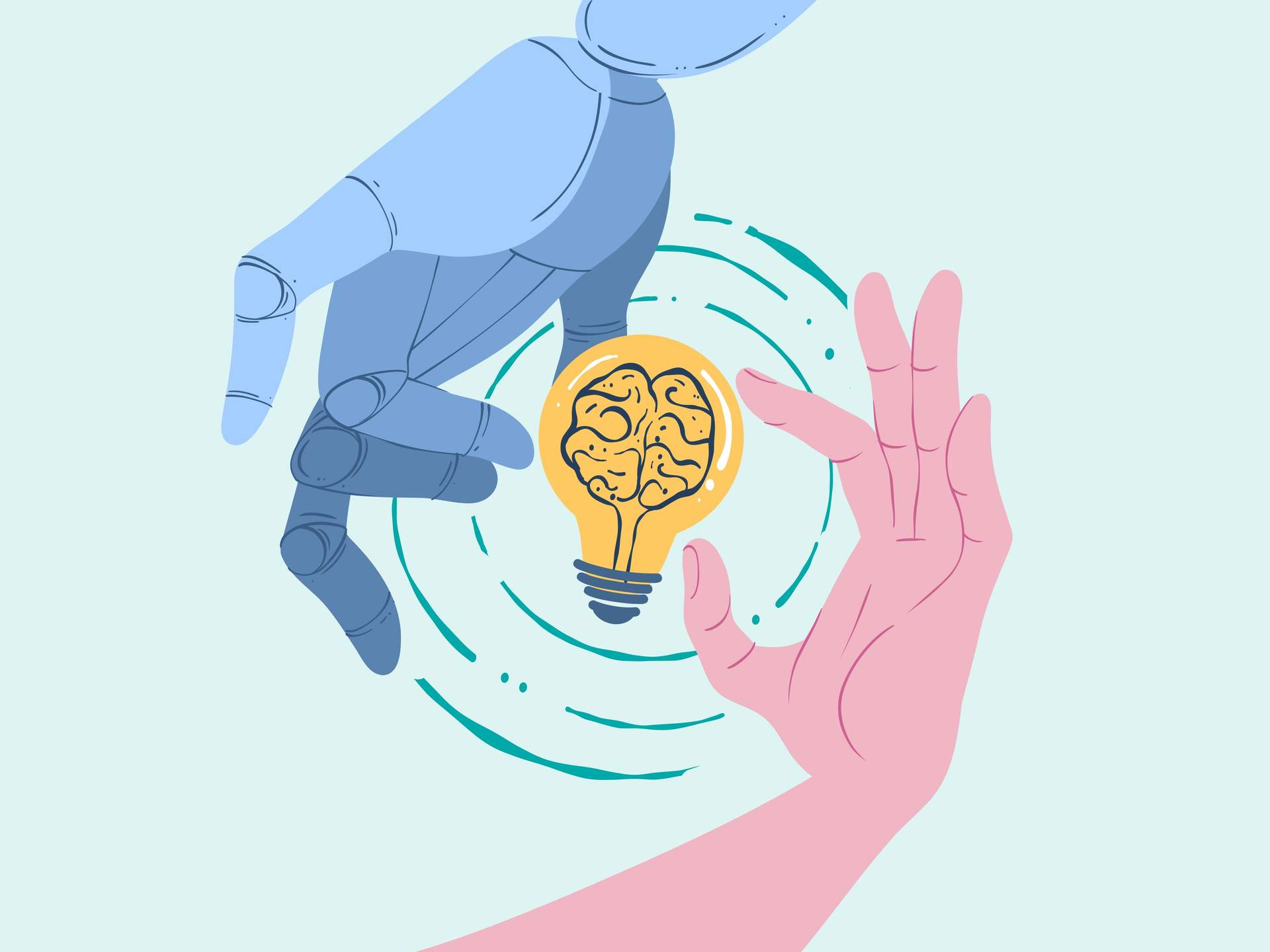
Five hours a week. That might not sound like much at first — but do the math. Over a month, that's more than twenty hours. Over a year, it's close to two hundred and sixty hours, or more than ten full days handed back to you. Not downtime. Not scrolling. Real, usable time for the things you keep saying you'll do "when things slow down" — except they never do.
The good news? Those five hours are not a fantasy. More and more people are discovering that AI tools — the kind built into apps you can start using today — can handle or dramatically speed up the tasks that quietly devour your day. No coding knowledge required. No expensive software. No complete schedule overhaul. Just a few smarter habits, and the results show up faster than you'd expect.
Where does the time actually go?
Before we look at how to get those hours back, it's worth understanding where they disappear in the first place. For most people, it's not one obvious time-waster — it's dozens of small tasks that each feel like "just a few minutes," but together consume hours.
Emails are a prime example. The average office worker spends 20 to 30 minutes every day not deciding what to say, but figuring out how to say it — wrestling with tone, phrasing, and the right way to open or close a message.
Then there are the meeting summaries that require you to dig back through your notes. The recurring messages — proposals, check-ins, confirmations — that get written almost from scratch each time even though the content barely changes. These tasks aren't hard. They're just tedious, repetitive, and relentless. Which is exactly what AI tools are built for.
Emails you'll never have to struggle through alone again
This is where some of the most dramatic time savings happen. With a good AI assistant, you simply tell it who you're writing to, what you need to say, and what tone to strike — and a polished draft is ready in seconds. No more staring at a blank reply. No more second-guessing your sign-off.
This is especially valuable in tricky situations: turning down a request gracefully, chasing an overdue invoice, reopening a conversation that's been stalled for weeks. These are the emails people put off for days because finding the right words feels exhausting. AI takes that weight off your shoulders. You read it, tweak a word or two, and hit send.
And if you have recurring emails — weekly status updates, client welcome messages, booking confirmations — AI can generate personalized versions from a template in seconds. What used to take several minutes per message now takes almost none.
Meeting summaries that practically write themselves
Every meeting ends the same way: someone has to document what was decided, who's responsible for what, and what happens next. That job usually falls to the person who was most engaged throughout — meaning they're already tired before they even open a new document.
AI tools are remarkably good at this. Feed them a rough set of bullet-point notes, a transcript, or even a voice recording, and they'll produce a clean, structured summary — complete with action items, owners, and deadlines. What used to take twenty to thirty minutes now takes five.
Some apps can even listen in during the meeting itself and have a summary ready the moment it ends — no notes required at all.
Content, posts, and copy that no longer drain you
If you've ever worked in a role that required regular writing — social media posts, blog articles, product descriptions, newsletters — you know how much mental energy goes into just getting started. The blank page is a real obstacle, and often the problem isn't knowing what to say, it's breaking through the inertia of beginning.
AI tools are ideal for generating that crucial first draft — something you can shape, personalize, and refine rather than build from nothing. Editing is always faster than creating, and the difference is significant.
A post that used to take an hour and a half can be done in thirty to forty minutes — and it can still sound completely like you.
One important note: AI-generated text works best as a starting point, not a finished product. The best results come when you bring the ideas, the direction, and your own voice — and let the AI handle structure, phrasing, and the first pass at the words.
Research that used to eat your morning
Often the most time-consuming part of any project isn't producing the output — it's everything that comes before it. Getting up to speed on an unfamiliar topic, gathering background information, comparing options, making sense of something complex. That kind of groundwork can eat an hour or two before you've done anything that feels like real work.
AI assistants can give you a solid overview of almost any topic in minutes — helping you ask better questions, compare choices, and understand what you're dealing with far faster than a search engine rabbit hole ever could.
They're not a replacement for deep research, especially when current data matters. But for most everyday tasks, they'll get you to a working understanding in the time it used to take just to find the right sources.
How to get started if you haven't tried yet
One of the biggest myths about AI tools is that they're complicated to learn. In reality, most of them work exactly like a text conversation — you describe what you need, and you get a response. That's it.
The most practical way to start is to pick one task you do regularly this week and try doing it with AI assistance. A weekly summary email. A social media post. That complaint letter you've been putting off for two weeks. Once you experience what it feels like to finish in five minutes something that used to take thirty, you won't need much convincing to keep going.
The five hours come back gradually — and that's fine
Don't expect a dramatic transformation in week one. The time comes back in small increments — an email that takes one minute instead of ten, a summary you don't have to reconstruct from memory, a post you don't have to stare at a blank screen to begin. These small wins stack up quickly.
And beyond the time itself, there's something just as valuable: the mental load lightens. Because the real cost of repetitive, draining tasks isn't always the hours they take — it's the energy they consume. There's a real difference between reaching the end of your day completely depleted, and still having something left for the things that actually matter to you.