In recent years, something fundamental and irreversible has shifted in how we connect with our tasks and the world around us.
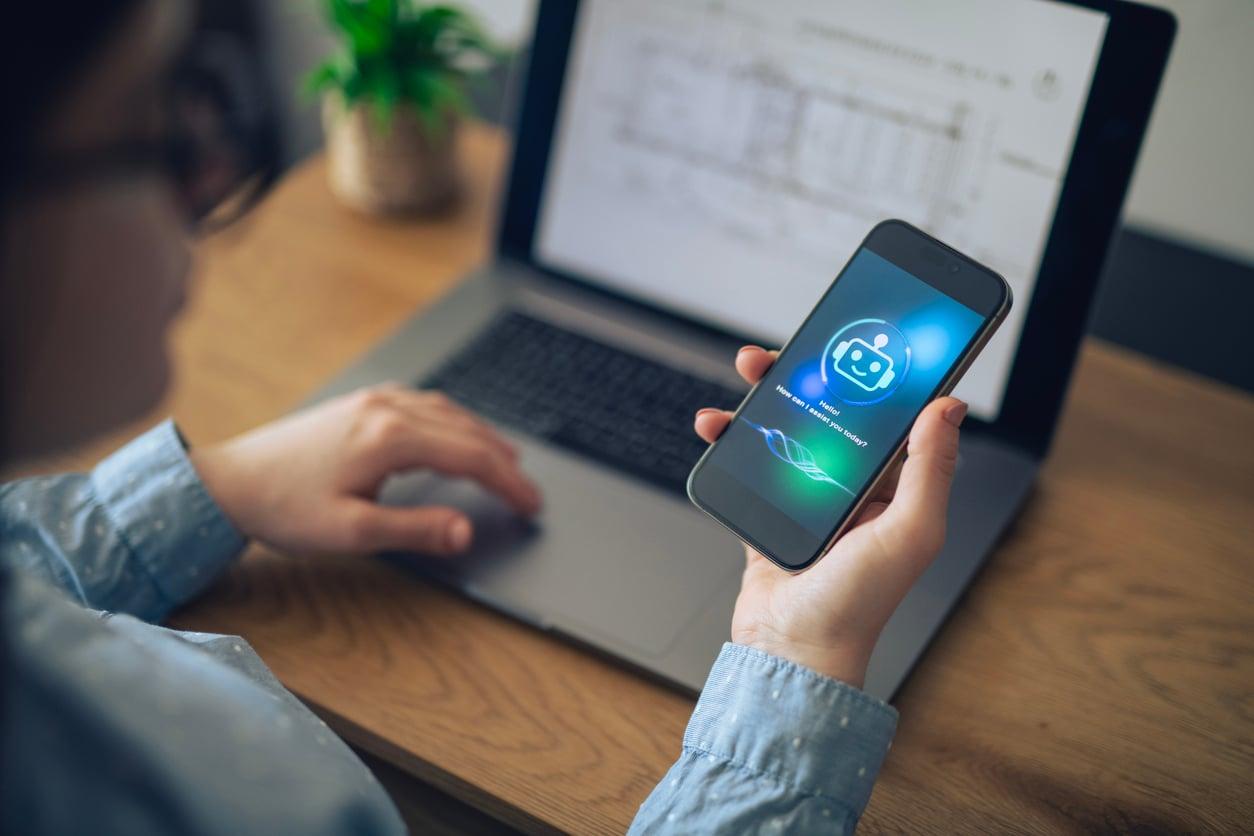
AI didn’t just knock on the door—it suddenly appeared in our pockets and laptops. Before we knew it, it was handling every other email or search for us. It’s like having an invisible, endlessly knowledgeable assistant who never tires. But behind this helpfulness lurks a troubling question: how much of ourselves remains when someone else smooths out every sentence and thought we have?
Does the Machine Really Know Better What You Meant to Say?
Ever sat down exhausted, trying to write a delicate email to your boss or a kind but firm reply to a teacher on behalf of the parent committee? Your thoughts feel tangled, emotional, or scattered... Then you decide to give it a shot and share them, and AI instantly crafts a polished, logical, professional text. At first, it feels incredibly freeing: finally, someone "gets" what you were trying to say amid the chaos in your head!
But look closer—the shiny final product isn’t your raw, honest truth or logic anymore.
The algorithm measures out words with surgical precision and subtly rewrites your emphasis. You just nod because it sounds so good—but meanwhile, you forget that your unique voice came from your personal word choices and those little, endearing language slips that made it truly human.
The Quiet Death of Our Inner Measure
I admit, I’ve been deeply frustrated seeing so many AI-generated posts and texts everywhere. The algorithm hides in those too-perfect, overly polite, suspiciously sterile sentences. And of course, the typical style: short, punchy sentences for emphasis. One after another. Often on separate lines. This "calculated professionalism" steals the breath from genuine human expression. Seeing this daily, we forget what it feels like when someone writes from the heart—maybe a bit messy, but with real passion and originality.
It broke my heart, but I had to say goodbye to several creators I admired because over time, not just one post but all of theirs became machine-made. I’m sure their own thoughts and valuable messages were still hiding between the lines, but the artificial intelligence sterilized their style so much that I couldn’t separate real, flesh-and-blood experience from software-generated cleverness anymore.
The person behind the text was lost—and with them, my trust vanished.

Don’t get me wrong: I’m not against progress! AI helps me a lot, especially when I’m trying not to get overwhelmed by daily tasks and outsource some time-consuming research to make room for my own thoughts and feelings. But this kind of efficiency is a double-edged sword: while it saves time, it quietly weakens the mental muscle that shapes our unique perspective.
The more we let the machine "think" for us, the harder it becomes to find our own voice again. Plus, if we all get the same statistically safest, "safe" answers from the machine, our world slowly turns uniform and gray. Bold logical flips and heartfelt, raw insights disappear. If everyone draws from the same sterile sea of information, no one will say anything that truly stirs the waters or moves us forward.
It’s dangerous that AI often tells us exactly what we fully agree with. When its arguments perfectly match our worldview, our critical sense simply falls asleep. There’s no inner resistance, just comfortable confirmation, and in this quiet agreement, we say goodbye to the last remnants of our sovereign thoughts.
We lose our doubts—those we used to spend hours or days exploring with books or friends. Yet the power of human thinking lies in questioning even what seems logical at first glance…
The biggest lesson in living with AI might be relearning to value our own sometimes elusive but real feelings and thoughts. I believe that after the world floods with "nicely worded nothingness", we’ll once again cherish everything that carries the presence of a soul.