Nature has always been the world's greatest engineer — and humans have been paying attention. Some of the most useful technologies in our daily lives didn't come from a lab whiteboard. They came from a dog walk, a spider's web, or a termite mound. Here are five inventions inspired by the animal world that you've almost certainly used without ever knowing their origins.
Velcro — born from a burr stuck in a dog's fur
In 1948, Swiss engineer George de Mestral was hiking in the Alps with his dog when he noticed something: burdock burrs had latched onto his dog's coat and wouldn't let go. Instead of just pulling them off and moving on, he looked at them under a microscope. What he found were tiny, perfectly shaped hooks that gripped individual hairs with remarkable efficiency.
That observation became the blueprint for Velcro — one of the most versatile fastening systems ever created. Today it's everywhere: children's shoes, sportswear, medical devices, and even the interior of spacecraft. All from a walk in the woods.
Spider silk — the strongest thread nature ever made
Pound for pound, spider silk is stronger than steel and more elastic than nylon. Scientists have known this for decades, but replicating it has been one of biology's great challenges. In recent years, synthetic spider silk has finally been produced in laboratory conditions — and the applications are extraordinary.
From ultra-light bulletproof materials and parachutes to surgical sutures that the body barely rejects, spider-silk-inspired fibres are quietly revolutionising medicine, defence, and textiles. The spider spent millions of years perfecting the formula. We're just catching up.
Shark skin — the surface that stops bacteria in its tracks
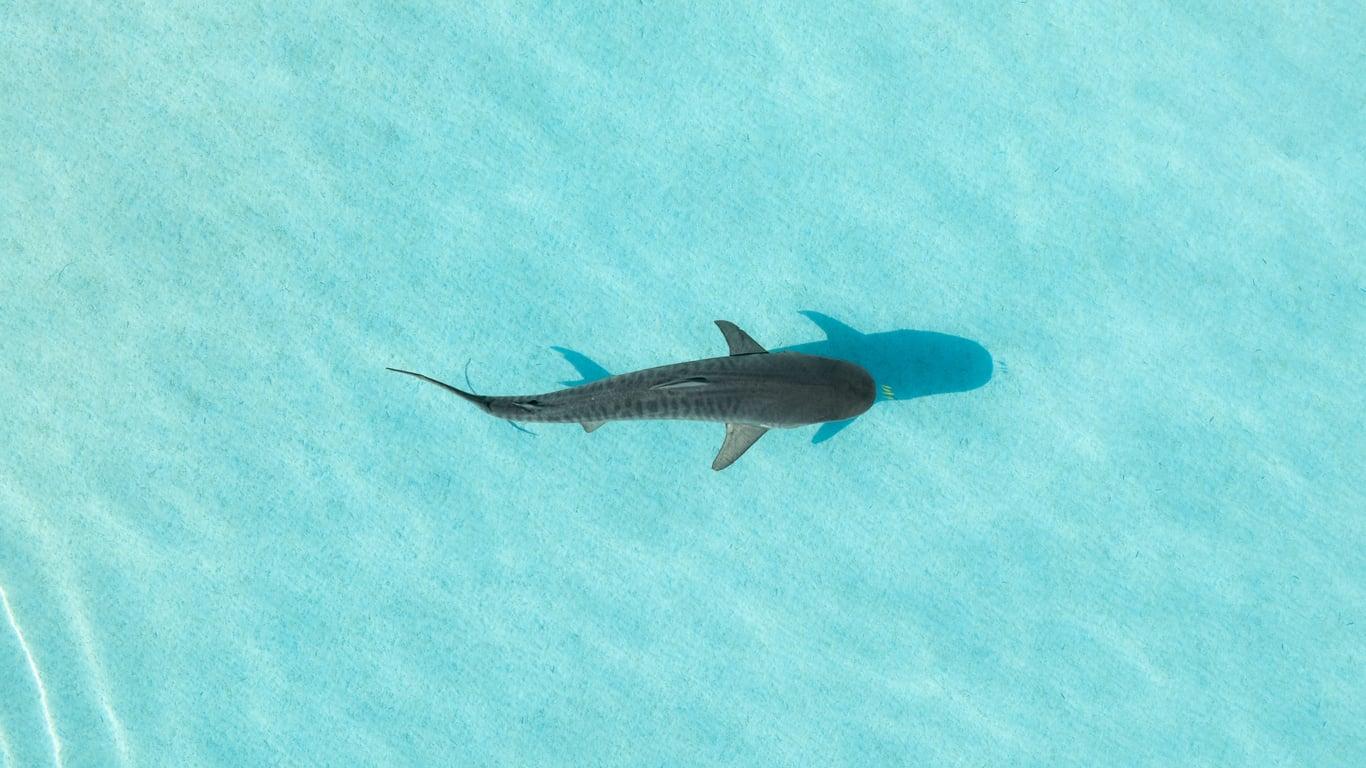
Sharks rarely get infected. Part of the reason lies in the microscopic texture of their skin — tiny, overlapping scales called dermal denticles that create a surface where bacteria simply cannot gain a foothold.
This inspired the founding of Sharklet Technologies, a company that recreates shark-skin-like surface patterns on medical equipment. The goal is straightforward but vital: reduce hospital-acquired infections without using chemicals or antibiotics. It's a passive, physical solution to one of healthcare's most persistent problems — and it came straight from the ocean.
Streamlined vehicles — designed by fish
Fish have spent hundreds of millions of years evolving the most efficient shapes for moving through water. Engineers noticed. The aerodynamic principles behind a fish's body — minimising drag, maximising flow — are now central to the design of high-speed trains, racing cars, and commercial aircraft.
The result is faster, more fuel-efficient transport that produces fewer emissions. Next time you board a sleek high-speed train, you're essentially travelling inside a design borrowed from the deep blue sea.
Termite mounds — the original smart ventilation system
Termites build towering mounds in some of the hottest climates on Earth — and somehow keep the interior at a near-constant temperature, without electricity, without air conditioning, and without any human engineering. Their secret is a sophisticated network of tunnels and vents that continuously circulates air and regulates heat.
Architects took note. The Eastgate Centre in Harare, Zimbabwe, was designed to mimic this exact principle. Its passive cooling system — modelled on termite mound ventilation — uses a fraction of the energy that a conventional air conditioning system would require, saving enormous amounts of power every year.
These five inventions are just a glimpse of what nature has already figured out. The animal world has been refining solutions to temperature, strength, grip, and hygiene for far longer than we have. The smartest thing we can do is keep watching — and keep learning.