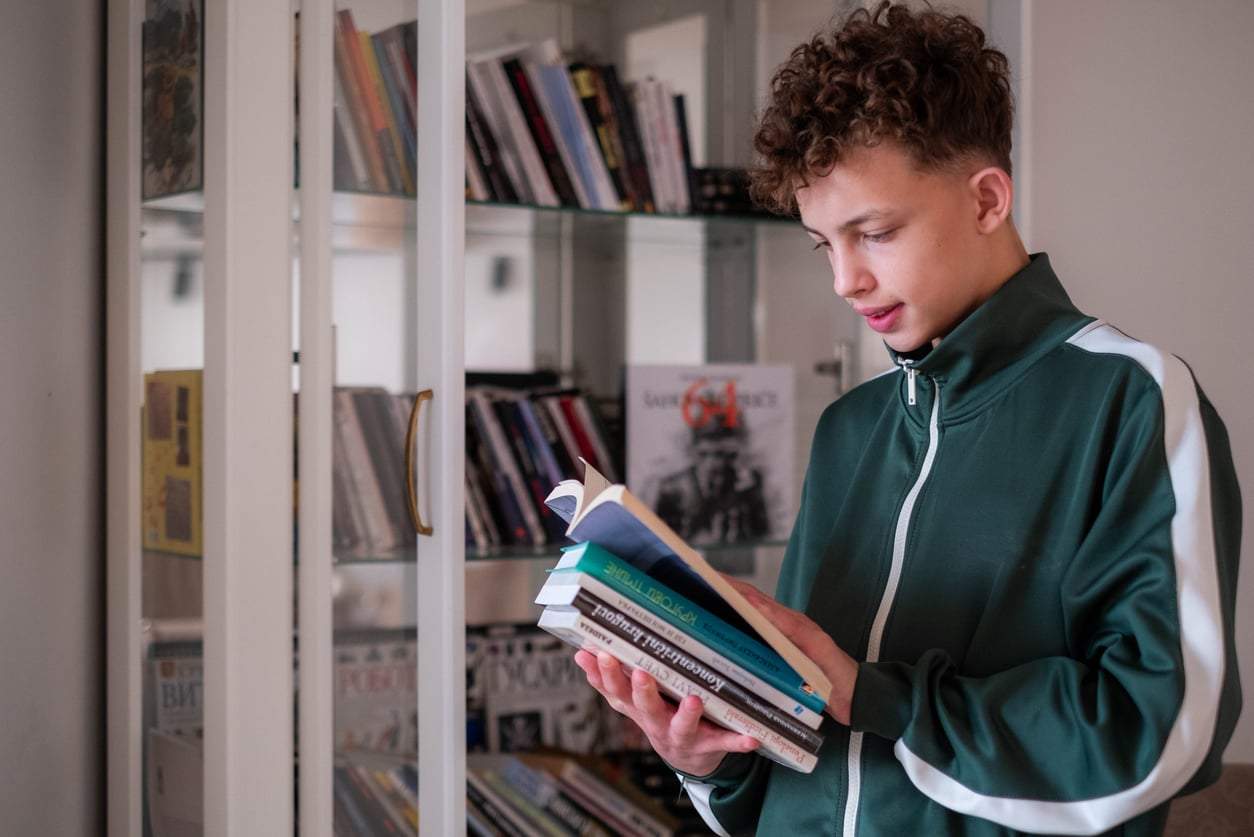
Generational gaps aren’t just theory. Experts agree there’s no sharp line between generations—our parents, social expectations, history, and tech changes all shape us as we grow. Still, many of us feel that being present with today’s kids requires a different approach. It’s not bad, just so new that it often feels tricky to handle.
When the Streetlights Come On, It’s Time to Head Home
We’re from the generation that roamed the neighborhood solo at 9 or 10 years old. Our parents trusted that if we got hungry, we’d come home. And they were right—we thrived. Summer break was pure freedom, needing only a few friends and some imagination.
Now here we are as parents, trying to spark excitement for our Gen Alpha kids—who, by the way, can entertain themselves all day long, as long as we don’t let tablets or TV raise them.
Competing with screens is tougher than ever. I’m not about total bans—screen time should be limited, yes, but I don’t want to be the digital villain in my child’s eyes. I’m aiming for balance. But how exactly? That’s the question.
Bored at the Beach and Facing High Expectations
My daughter’s reached that age when it’s harder to impress her. Between ages 2 and 5, we spent nearly every day at playgrounds and forests, so it’s not like I’m pushing her to be outside more now. Just recently, she said she was bored at a water park. A water park! When I was a kid, swimming and Lake Balaton were pure heaven. We wouldn’t leave the water until our lips turned blue and mom sent us out with a fresh ear of corn.
Now it seems even all-day freedom to roam, sledding, and hanging out in an adventure park with friends isn’t enough—because, yes, I’m the “mean” parent who signed her up for a camp I only dreamed of as a kid.
At first, I could’ve taken offense at that “gratitude,” but I chose to relax instead. I realized what was a dream for me might not be the same for her. And it reminded me I’m not failing by not making every day feel like a fireworks show. I know I’m not alone—many parents feel this way. Kids’ thresholds for stimulation have changed, but I don’t believe my job as a mom is to fill every moment with activities. Boredom is necessary—and yes, it’s actually good.
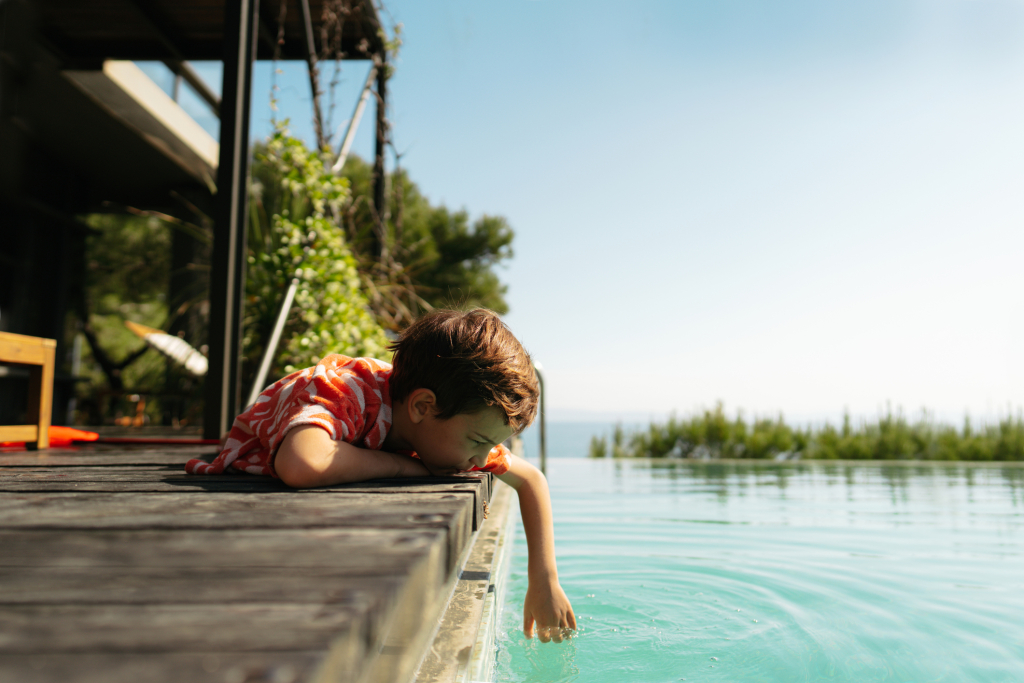
The Dopamine Trap: Not Our Fault, But Our Challenge
The link between screen time and boredom isn’t random. Studies show too much digital stimulation affects the brain’s dopamine system—the pathway that drives joy and motivation. A brain used to constant, fast-paced content eventually stops rewarding experiences that once brought happiness. That’s why trips, board games, or even the beach can feel dull.
Natural experiences don’t deliver the same dopamine rush as quick videos or in-game rewards.
That’s why teaching our kids how to relate to boredom matters. They need to know it’s okay to be bored. In fact, boredom sparks their best and most creative ideas. But for that, we must rethink our own childhood memories, adult habits, and let go of the anxiety that “we didn’t do anything today.” Because even the dullest summer day is a gift—it lets our child connect with themselves.
Got One More Trick Up Your Sleeve?
August often means parents tapping their last reserves: a bit more patience, a fresh idea, a shared activity, or simply accepting that not every day is a grand adventure. Come fall, this summer will just be a sweet memory. And if your child remembers the times you were together, sharing a quickly melting ice cream, or laughs years later about breaking down on the highway, that’s more than enough. Memories like that are what really count.