Peel or Not to Peel?
Eating the skin of most fruits and vegetables comes with plenty of benefits, according to The Healthy, supported by expert insights explaining why. They also highlight certain fruits and veggies you definitely should peel.
Fruits and Veggies You Don’t Need to Peel:
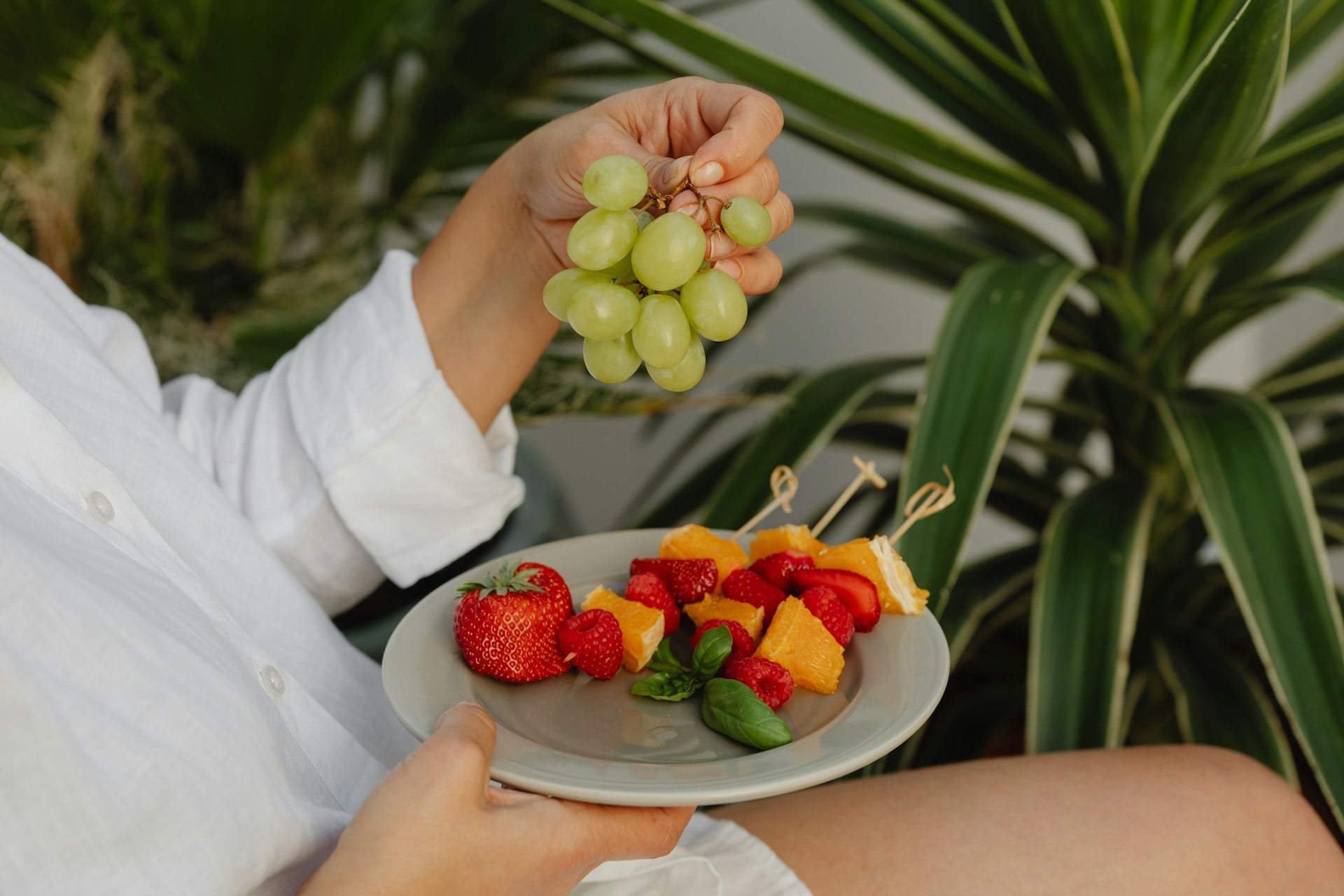
- Grapes, cherries, and other berries: Malina Malkani, dietitian and creator of Wholitarian Lifestyle, points out that peeling these is not only tricky but unnecessary. Their skins pack a powerful punch of antioxidants and nutrients—especially grapes, whose skins hold the most antioxidants.
- Pears, peaches, plums: Experts agree their skins are loaded with fiber, nutrients, and antioxidants. A study in Nutrition Research found that peeling peaches reduces antioxidant intake by 13-48%.
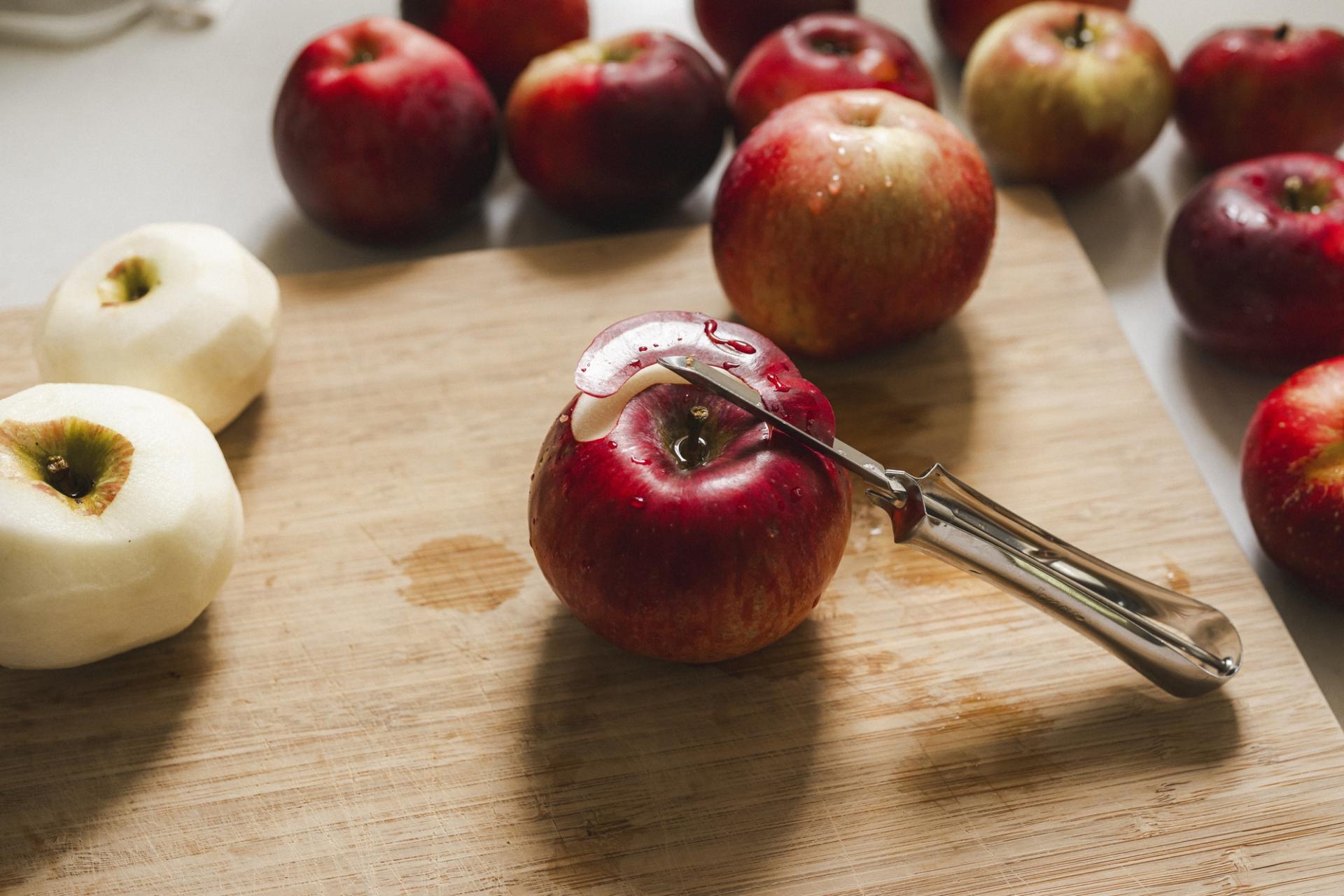
- Apples, apricots: Dietitian Hillary Cecere recommends leaving apple skins on for insoluble fiber, vitamin C, and vitamin A. Apricots are best unpeeled too. Just be sure to wash them thoroughly and opt for organic when possible.
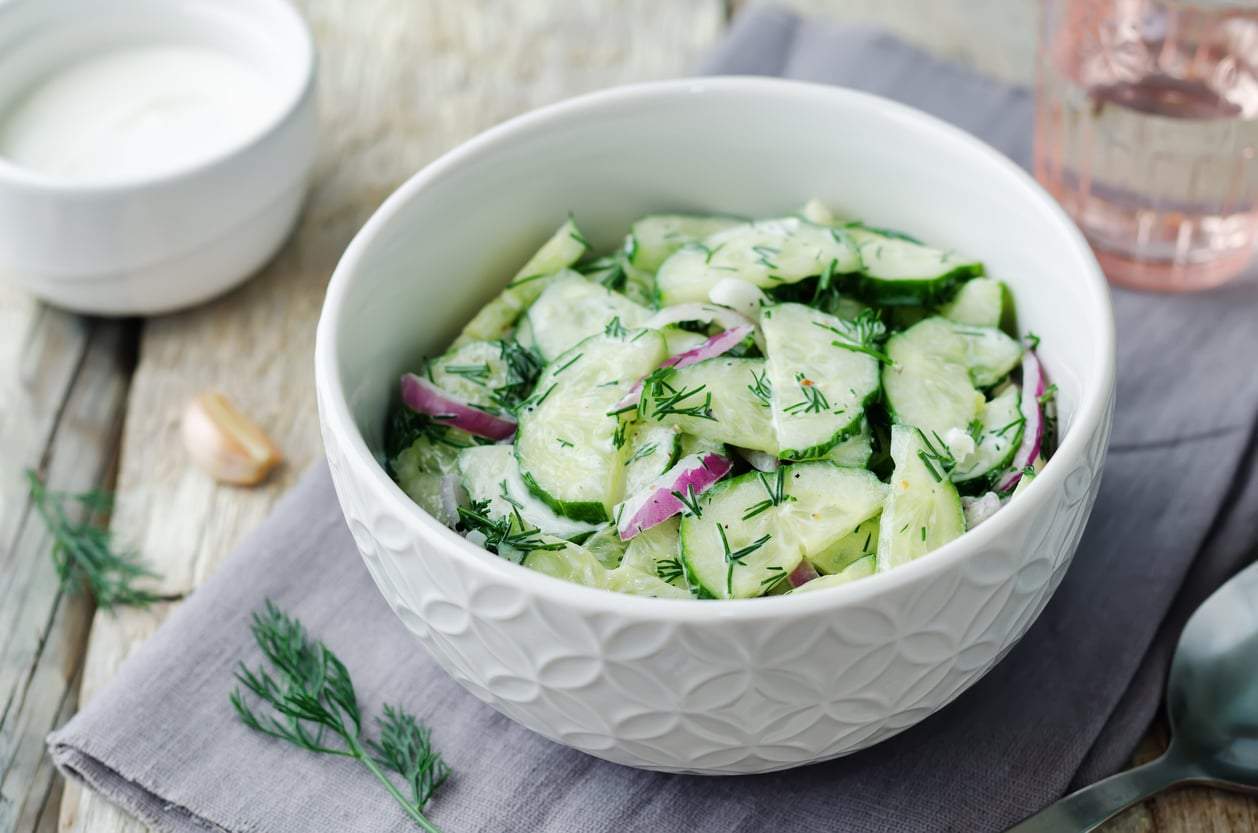
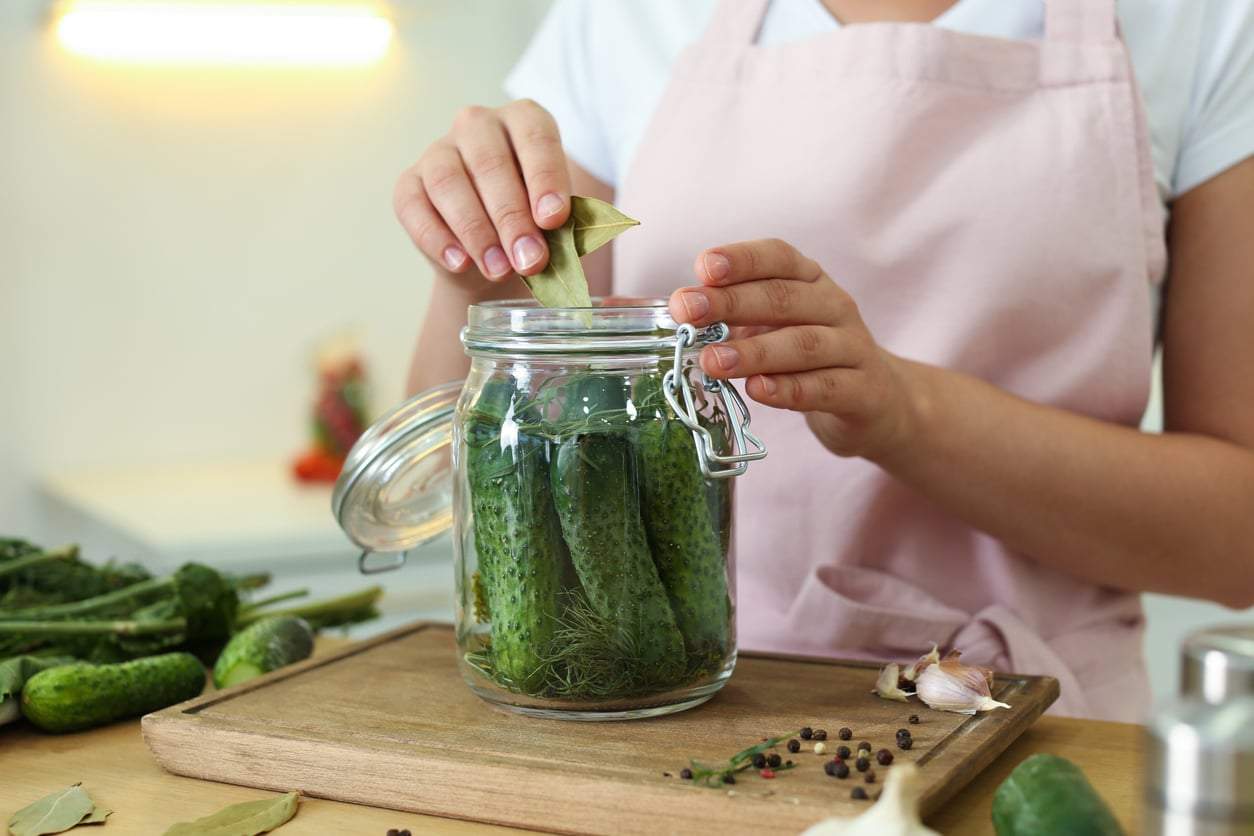
- Kiwis, cucumbers: Kiwis might surprise you—they’re edible with skin and offer triple the fiber if left unpeeled, says Malkani and Cecere. Cucumber skins are rich in vitamin K, fiber, and potassium. Always wash well and pat dry to remove any waxy coating before eating.
- Eggplants, zucchinis: Cecere notes that unpeeled eggplants provide extra fiber, flavonoids, and magnesium. Zucchini skins are nutrient-rich too, so no need to peel.
- Potatoes: Instead of peeling, Cecere suggests scrubbing potatoes well with a vegetable brush to keep their fiber, iron, vitamin C, potassium, and folate intact.
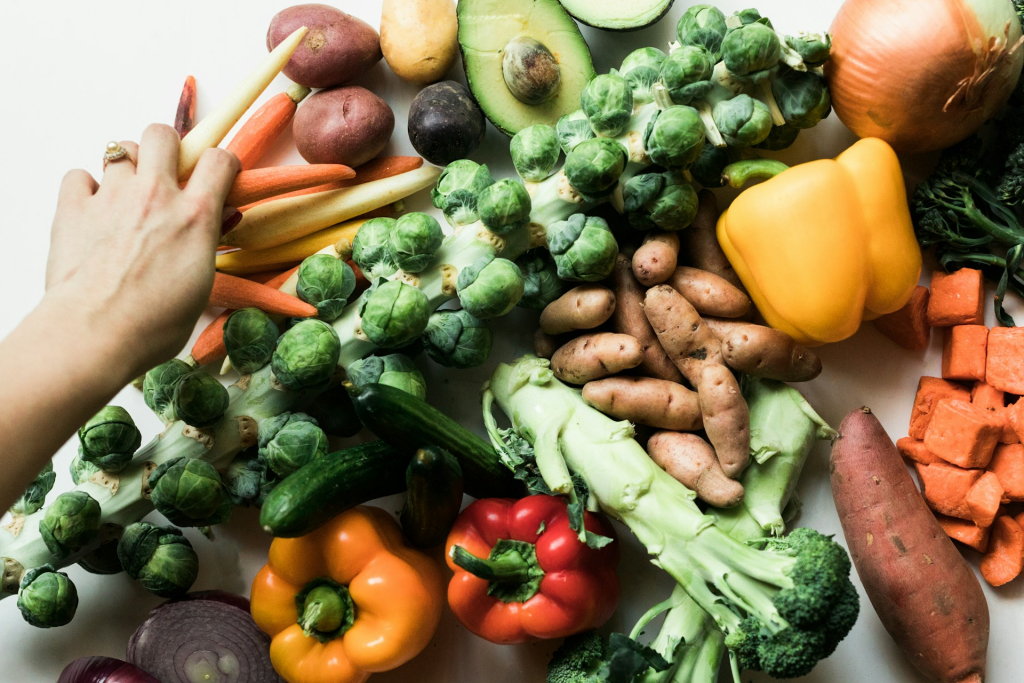
Source: unsplash.com
Fruits and Veggies You Should Peel:
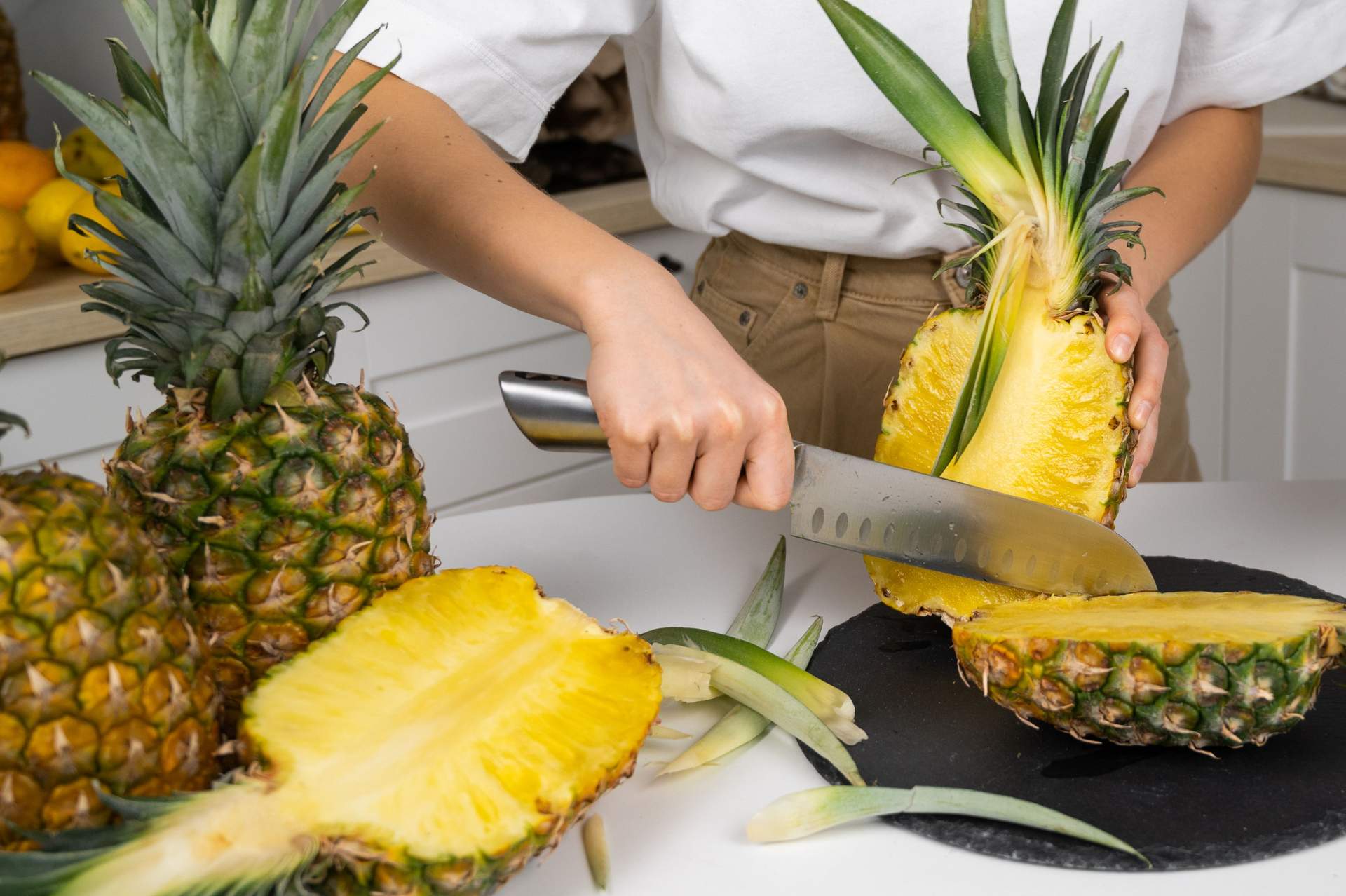
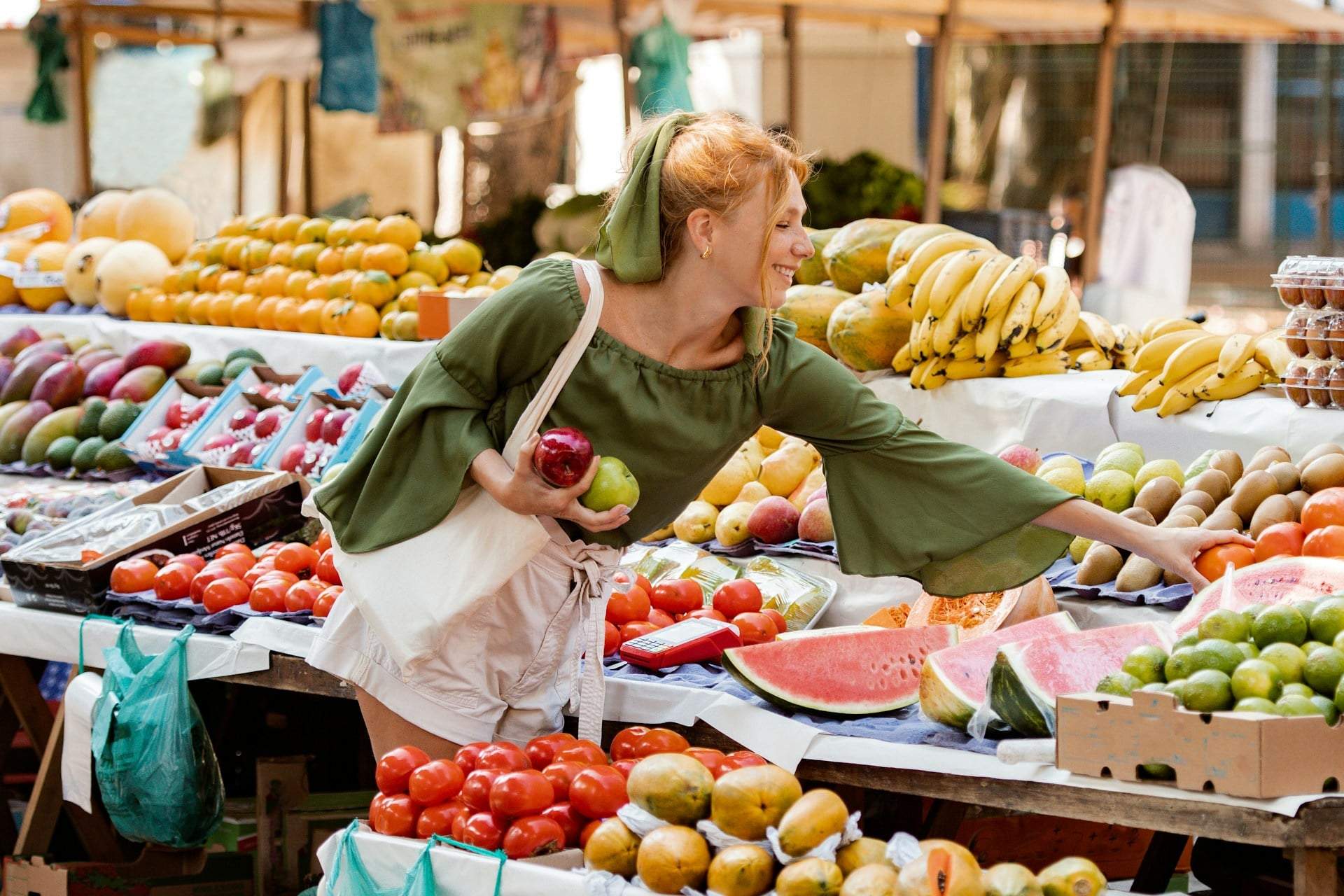
- Tropical fruits: Pineapple, papaya, mango, banana, melon, and lychee all need peeling due to their tough skins and digestion challenges.
- Avocado, garlic, red onion: Experts advise against eating avocado skins—they’re hard to digest. The same goes for garlic and red onion skins.
Fruits and Veggies That Need Extra Care:
- Citrus fruits: Malkani says lemon, lime, and orange peels are edible and rich in antioxidants. But be sure to check if they’re treated with pesticides—those peels aren’t safe to eat and are usually labeled as such. When in doubt, it’s best to peel.
- Pumpkin: The skin is edible if cooked—boiled, roasted, or grilled until soft.
Always Keep in Mind
Experts remind us to always check the condition of the fruit or vegetable skin. If it’s especially tough or unappetizing, it’s better to skip eating the peel—even if it’s usually recommended.