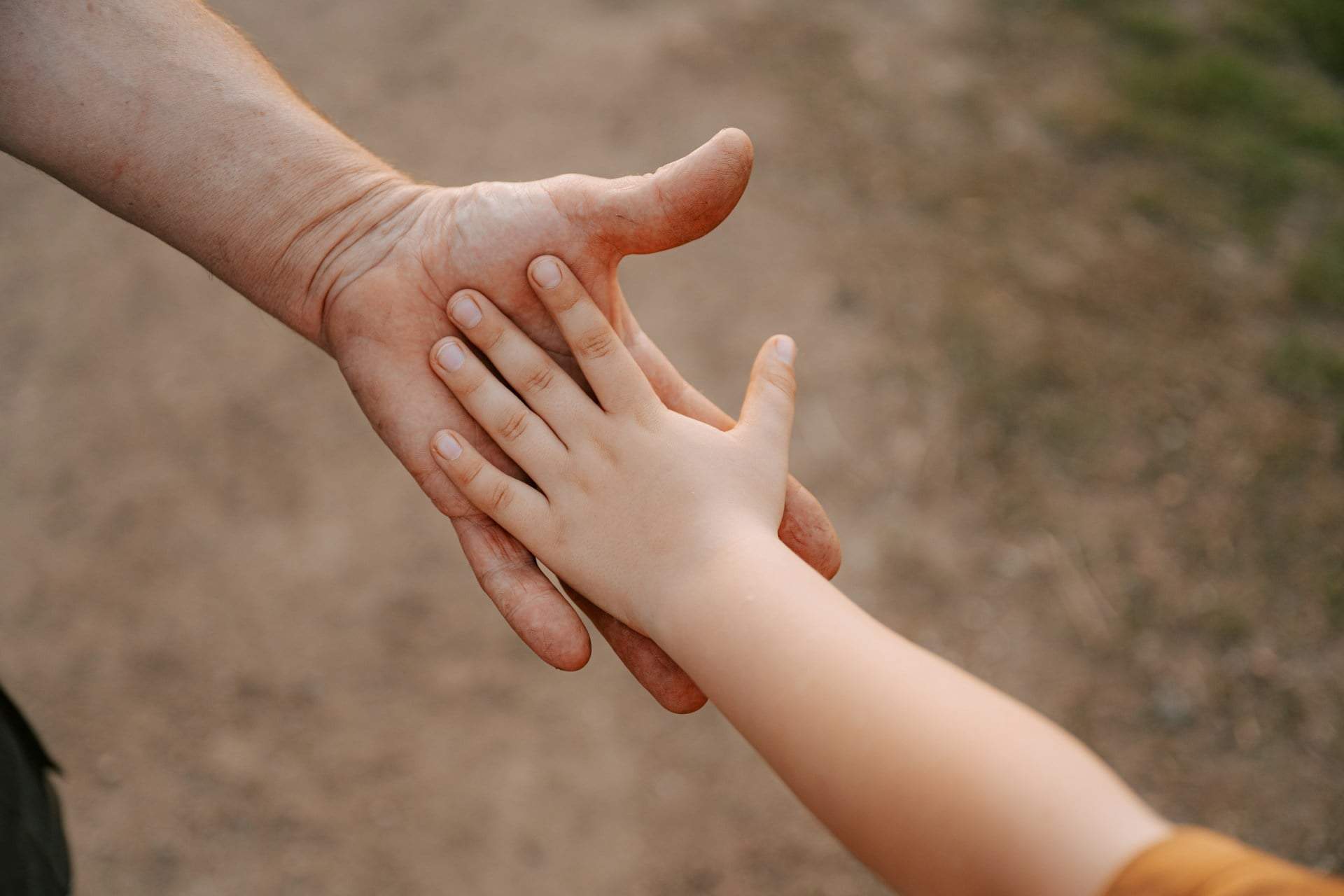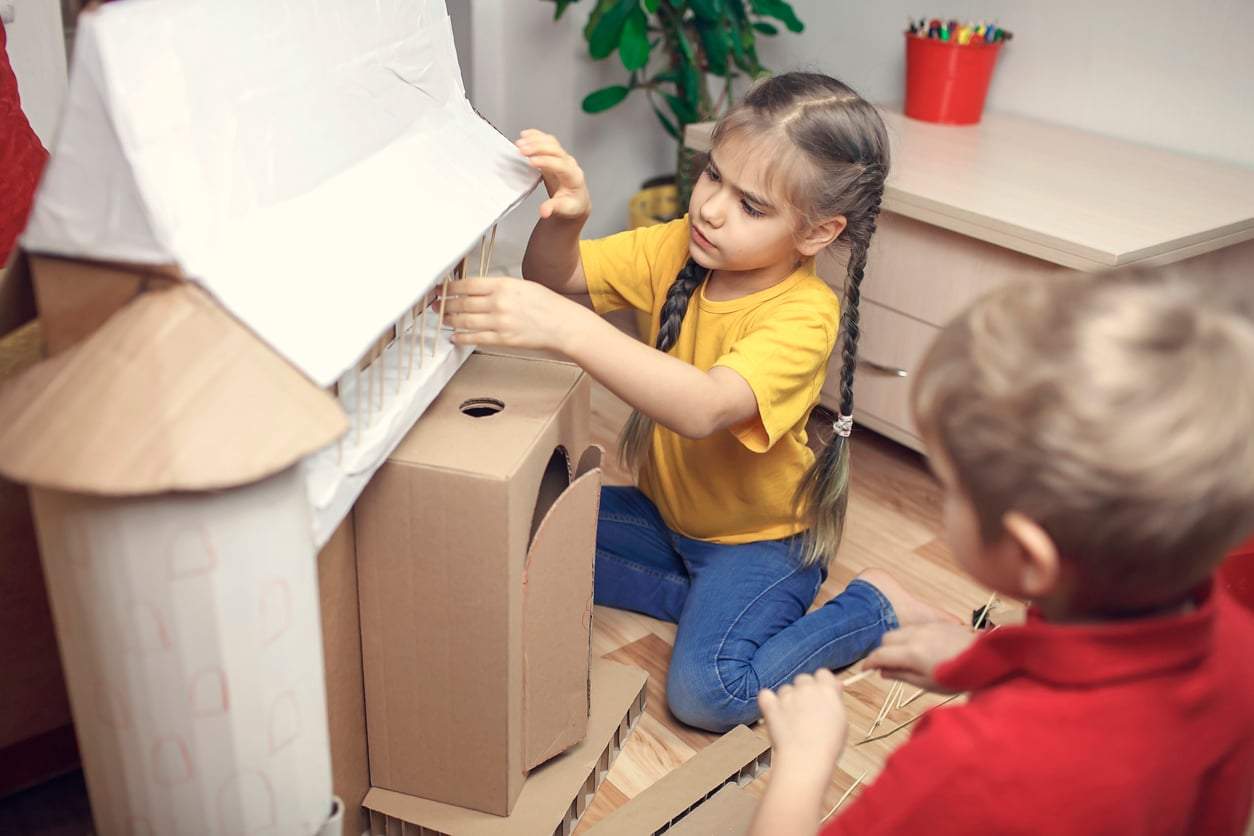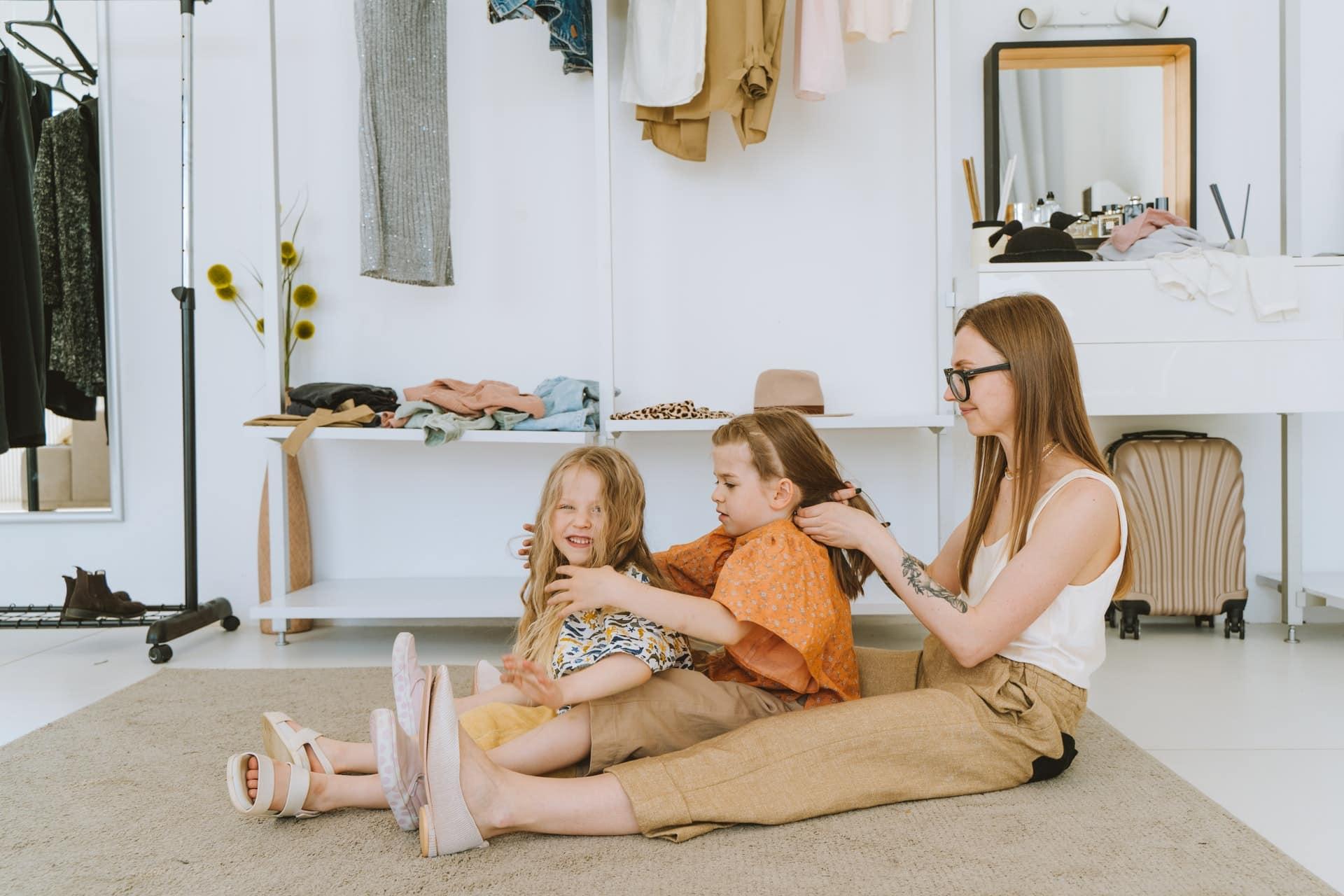
Have you noticed how differently our parents or grandparents thought about discipline? In many families, enforcing obedience was a tradition: the famous phrase "Because I said so!" was often the final word. Strictness, punishment, or even time-outs were seen as the go-to solutions when things went wrong. But both life and children’s minds have changed a lot since then!
Today’s kids are more sensitive and face more stimuli, and the world changes faster than ever. This calls for completely new tools — and positive discipline is here to help, without parents losing themselves or their authority.
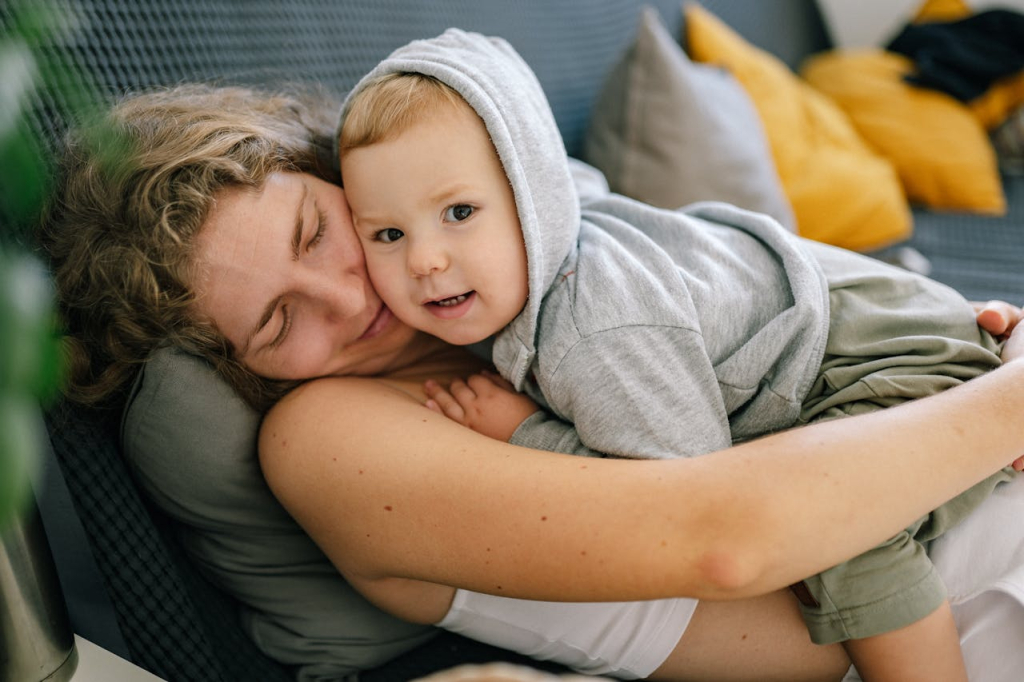
Research on child-rearing over recent decades increasingly highlights the importance of a loving, consistent, and positive approach. A large international study (UNICEF Innocenti Report, 2014) analyzed data from hundreds of countries and found that in families practicing positive discipline, children’s confidence, problem-solving skills, and emotional security are much stronger than in those where strict, punishment-based methods prevail.
Another study (American Academy of Pediatrics, 2018) focused specifically on the effects of "positive discipline strategies." Experts followed families for years and noticed that children raised with patient, positive communication had significantly fewer behavior problems and lower anxiety risks.
It Doesn’t Mean You Don’t Say NO
The key: it’s not about letting kids do whatever they want or never saying no! On the contrary, boundaries exist — but they’re set with love, attention, and patience.
Positive discipline aims for children to understand the “whys”, learn to reflect on their actions, take responsibility, and truly grow. They obey not out of fear, but from inner motivation.
What Are the Benefits of This Approach?
1. Builds a safe, loving connection
Kids know they can come to you with problems without fear of scolding or humiliation. This creates deeper trust.
2. Boosts confidence and independence
When kids get explanations and take responsibility, they feel their opinions matter. This confidence carries into adulthood — they don’t just follow orders on autopilot.
3. Learns consequences of actions
Kids stop behaviors not just because they’re told to, but because they understand the results — like if they don’t clean up toys, there won’t be time for a story together. This takes patient, repeated explanations.
4. Fewer fights, less tension
Positive discipline avoids constant threats or battles. Instead of daily arguments, families solve problems together — creating a calmer home atmosphere long-term.
5. Develops social skills
Kids learn how to discuss things, ask respectfully, and apologize. These skills help in all their relationships.
How to Practice Positive Discipline Daily
1. Communicate clearly and simply!
When you ask something, briefly explain why it matters. For example, "Please put down the tablet now because we’re having dinner together. I want to talk with you, and it’s nice when everyone is present."
They might not respond kindly or smile right away, but they’ll understand exactly what and why you asked. Over time, this becomes routine.
2. Offer choices!
If they don’t feel like bathing, don’t give just one option: "What do you want to do first: read a story or listen to music while bathing?"
This doesn’t mean skipping the bath, but the child feels involved in the decision, easing resistance.
3. Praise specifically and sincerely!
How you say thank you or praise matters. Instead of a general "Good job," say something specific: "It was very kind of you to share your cookie with your sibling." This helps them understand exactly what you appreciate.
4. Be consistent but flexible
Many used to think rules only work with strictness — sometimes yelling or punishment. Now we know consistency means always upholding important rules the same way, but with love and attention.
If your child begs for one last story before bed, sometimes it’s okay to make an exception if it’s truly meaningful to them.
5. Model conflict resolution!
Don’t hesitate to admit mistakes: "I was impatient today, I’m sorry. I’m working on doing better next time."
Genuine apologies mean a lot and show kids everyone learns and it’s okay to mess up.
6. Let them learn from experience
We often step in automatically, but sometimes it’s better to let kids face consequences. If they forget water at the playground in summer, they’ll be more careful next time.
How Is It Different from the Past?
Looking back, our grandparents’ generation was more authoritarian — the adult decided what was best. Today, the world and kids have changed so much that parent-child relationships are more of a two-way conversation.
Yes, your child isn’t your friend but your child — yet respect and understanding are the strongest foundations for parental authority.
The more we practice patience and open talks, the more harmonious the relationship becomes, and the more confident, responsible adults they grow into. And maybe one day, they’ll naturally create this loving, safe space in their own families — the kind of security they’ll cherish when they look back on childhood.