A Dachshund and a Bernese Mountain Dog may both be dogs, but their needs could hardly be more different. One fits happily on a corner of the sofa; the other needs a dedicated bed in a spacious hallway. If you're thinking about getting a dog, the best decision you can make isn't based on looks — it's based on your daily routine, your living space, and the kind of energy you can realistically match.
Size isn't just an aesthetic choice. It shapes how much exercise a dog needs, what and how much they eat, how long they're likely to live, and how much space they'll occupy in your home. Small breeds tend to live longer, while large breeds are more prone to joint problems — and that means different care, different vet bills, and different everyday considerations.
Popular small dog breeds
Small dogs are often the first choice for apartment dwellers and frequent travelers. They're easier to transport, take up less space, and can thrive in a city environment — as long as their individual needs are met.
Jack Russell Terrier
Don't let the small frame fool you — the Jack Russell Terrier is an extraordinarily energetic breed originally bred for hunting. Without long daily walks and regular mental stimulation, they can quickly become bored and destructive. This is not a dog for someone who prefers quiet evenings.
French Bulldog
The French Bulldog is a calm, low-exercise companion — a genuine plus for many owners. However, their flat nose means they can struggle to breathe in hot weather or during intense activity, so they need careful monitoring in summer heat.
Dachshund
Brave and independent by nature, the Dachshund's long spine is its Achilles' heel. Stairs and jumping should be minimized, as this breed is particularly prone to intervertebral disc disease. A ramp instead of stairs can make a real difference to their long-term health.
Yorkshire Terrier
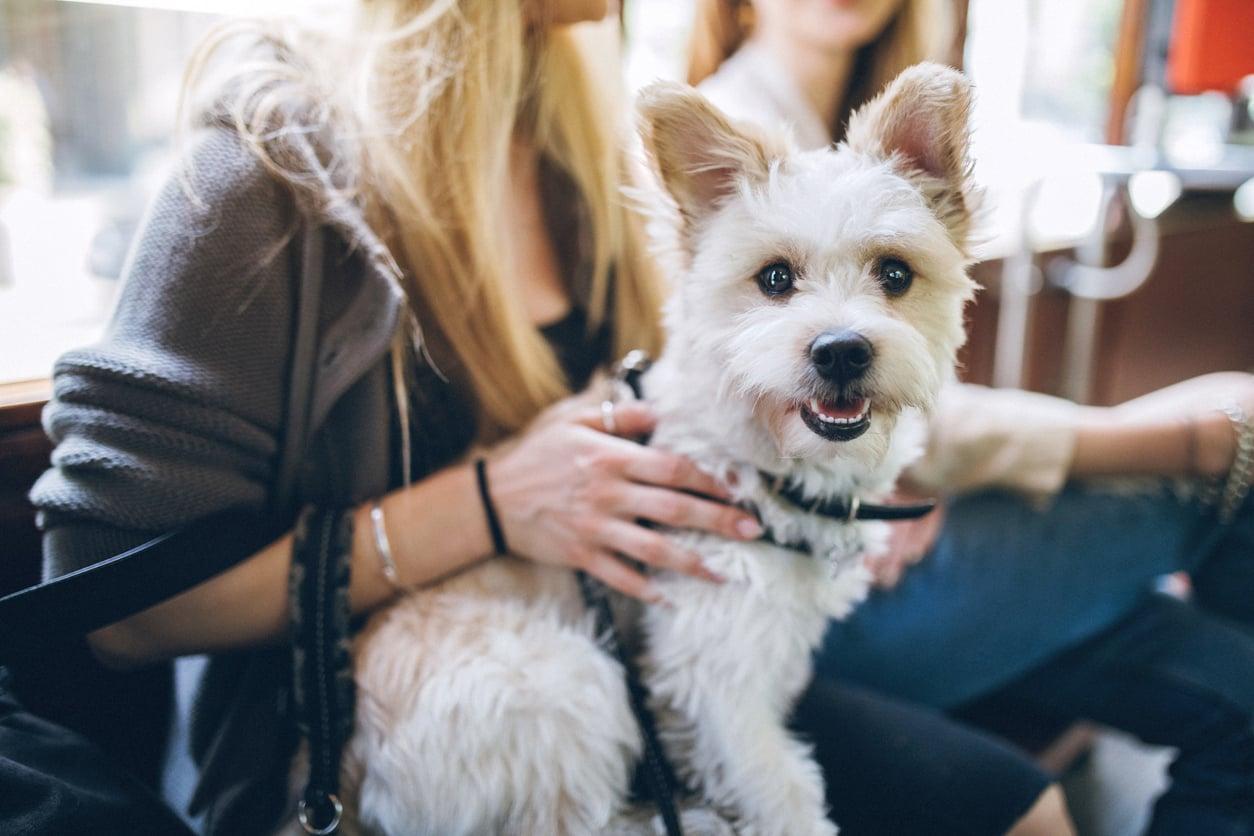
The Yorkie's long, silky coat requires regular brushing and grooming, but in return you get a breed that is perfectly suited to apartment living in the city. Affectionate and adaptable, they bond closely with their owners.
Chihuahua
One of the world's smallest breeds, the Chihuahua is capable of intense loyalty and deep attachment. They do feel the cold keenly though — a winter coat isn't just a fashion statement for this breed, it's a genuine necessity on cold days.
Popular large dog breeds
Large dogs generally need more space, more food, and more physical activity. A home with a yard helps, but it's no substitute for daily structured exercise and real engagement with their owner.
Labrador Retriever
Friendly, intelligent, and great with families, the Labrador loves water and thrives on active outdoor time. One thing to watch: Labs are famously food-motivated and prone to weight gain, so portion control matters more than you might expect.
German Shepherd
Loyal, versatile, and highly intelligent, the German Shepherd needs both physical exercise and serious mental challenges. Without enough stimulation, they can become anxious or restless. This is a breed that truly wants a job to do.
Golden Retriever
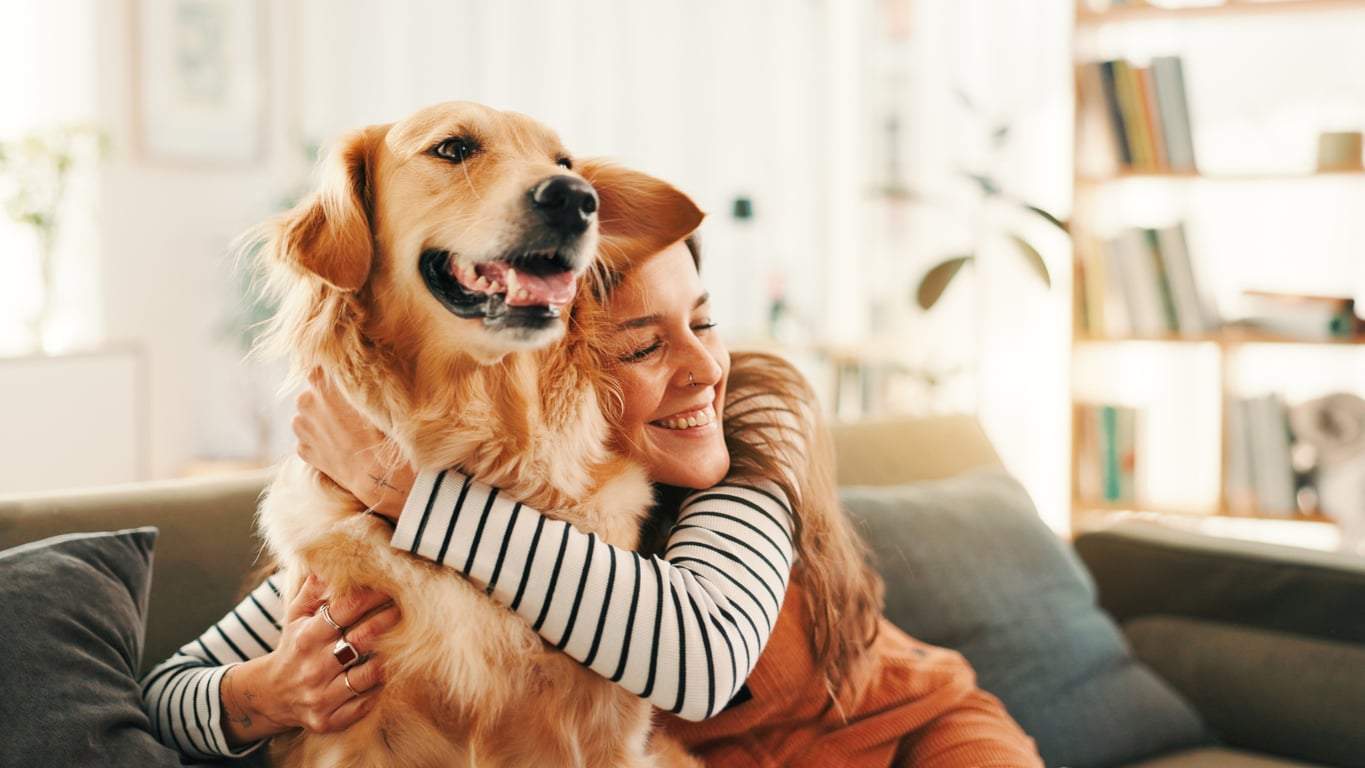
Known for their gentle, child-friendly temperament, Golden Retrievers are one of the most beloved family dogs in the world. Their dense double coat requires regular brushing — especially during shedding season — to stay manageable.
Bernese Mountain Dog
A calm and gentle giant who genuinely loves cold weather, the Bernese Mountain Dog can overheat surprisingly quickly in warm conditions. A cool, shaded resting spot is essential for this breed in summer months.
Vizsla
The Vizsla is a breed with exceptional exercise needs and deep devotion to their owner. They live for long runs, active weekends, and being wherever you are. If you love the outdoors, few breeds will match your lifestyle as naturally as this one.
Apartment or house with a yard — what does each size actually need?
Many small dogs do perfectly well in apartments, as long as their owner commits to regular daily outings. But "small" doesn't mean "no exercise needed." On the flip side, large breeds benefit enormously from outdoor space and room to roam — yet a garden alone isn't the answer. Most large dogs still need structured daily walks and active play, not just access to a backyard. Letting a dog out into the yard is not the same as exercising them.
Health differences by size
Large breeds are more prone to hip dysplasia and other joint conditions. During puppyhood, it's especially important to avoid overexertion before their skeleton is fully developed. Small breeds tend to face dental issues instead, and certain breeds — like the Dachshund — carry a higher risk of spinal problems.
For both groups, regular veterinary check-ups and a breed-appropriate, balanced diet are non-negotiable basics of responsible ownership.
What to think about before you choose
Size is just one piece of the puzzle. An energetic terrier can demand as much — or more — daily activity than a laid-back giant breed. Before settling on a breed, it's worth honestly thinking through your daily schedule, your living situation, how much time you can give to grooming, and whether you're ready to commit to training. The right dog isn't the cutest one in the photos — it's the one whose needs genuinely fit your life.
Is a small dog better for apartment living?
Not necessarily. Many small breeds, like the Jack Russell Terrier, have very high energy levels and need significant daily exercise. Size matters less than the breed's temperament and activity needs when it comes to apartment suitability.
Which large dog breeds are good with children?
Golden Retrievers and Labrador Retrievers are widely considered excellent family dogs thanks to their gentle, patient temperaments. Both breeds enjoy active play and tend to be tolerant and affectionate around kids.
Do large dogs really need a yard?
A yard is helpful but not sufficient on its own. Most large breeds still need structured daily walks and interactive play — simply having access to outdoor space doesn't replace the physical and mental stimulation they need from their owner.
What health issues should I expect with a small dog?
Small breeds are often prone to dental problems due to their compact jaws. Certain breeds, like the Dachshund, also have a higher risk of spinal issues, so avoiding jumping and stair-climbing is recommended from an early age.
How do I know which dog breed suits my lifestyle?
Start with your daily routine, not the dog's appearance. Consider how much time you can dedicate to walks and exercise, whether you live in an apartment or a house, your experience with dogs, and how much grooming or training commitment you can realistically manage.