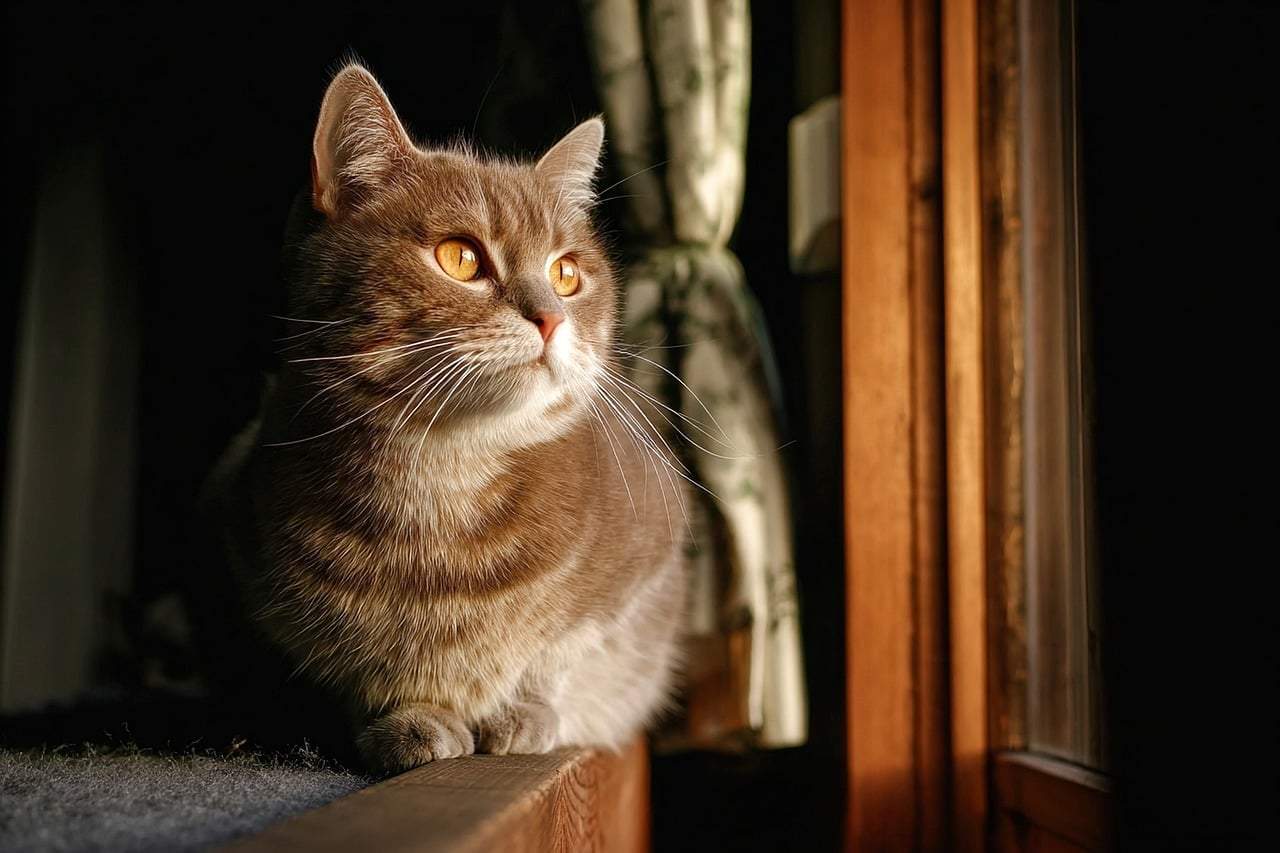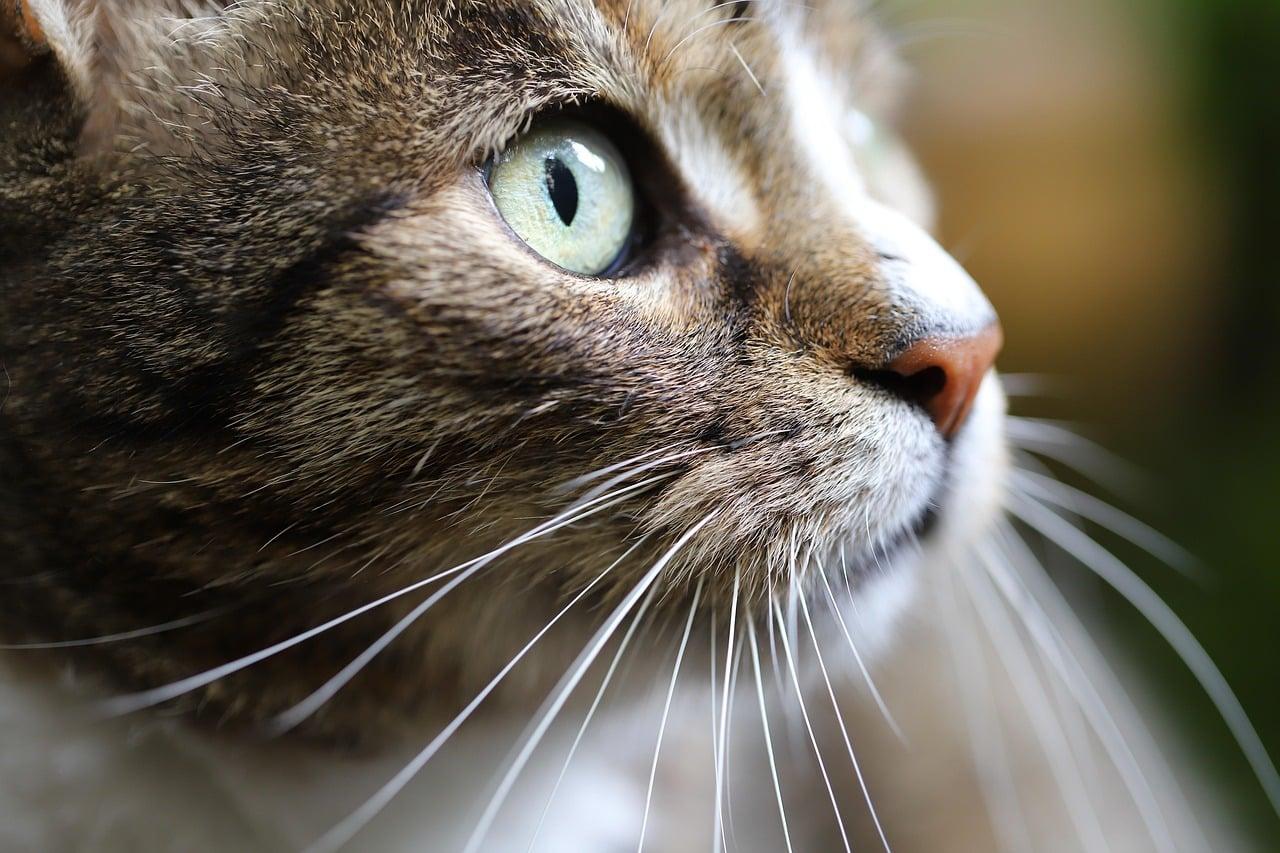
Your cat is curled up in the corner of the couch, eyes half closed. You look over, and they slowly, almost theatrically, squeeze their eyelids shut and open them again. If you always assumed this was just a sleepy moment, it might be time to rethink the scene: your cat is actually talking to you — just not out loud.
The slow blink is a sign of your cat's trust
Ethologists have studied feline facial expressions for decades, but the meaning of the slow blink was examined in detail by researchers Karen McComb and Tasmin Humphrey at the University of Sussex. According to their study, published in Scientific Reports, that slow, almost reluctantly drawn-out blink is one of the key signs of trust between a cat and a human.
The experiment involved both strangers and the cats' own owners. When a person slow-blinked toward a cat, a significant number of the animals responded with the same lingering blink — and often ventured a little closer, too.
The researchers compared this to a cat's version of a smile: a kind of quiet conversation held in body language, where no words are needed. If you love decoding these signals, you'll enjoy learning how pets sense the mood in your home.
What is your cat really telling you when they blink at you?
The slow blink isn't a trick or a lucky coincidence. It's a small but genuine message: "I'm not a threat, you're safe next to me."
This is especially fascinating because in the cat world, steady, direct eye contact often signals a threat. Among both predators and prey, a long, unbroken stare can be a sign of tension.
The slow blink flips that message on its head: the animal is showing that it feels no danger, and is willing to make itself vulnerable for a moment.
How to "talk" to your cat
If you want your cat to feel safe with you, you don't need to do much. Just sit facing them, look at them calmly, then slowly close your eyes for a moment and open them again just as slowly.
Many owners report that their cat blinks back almost instantly — and sometimes even walks over to them.
The researchers also noticed that the effect doesn't only work in relationships where trust is already established. Even with unfamiliar cats, a person was more likely to earn a closer approach by initiating a slow blink than by simply staring at the animal or turning away. It's one small reason cat lovers plan whole trips around them — like these cities to visit if you adore cats.
This suggests the slow blink isn't just a private habit between one cat and its owner, but rather a broader form of communication shared across the species.
A cat's body language is even more complex
It's worth remembering that a cat's language is far more nuanced than one gesture: the position of the ears, the movement of the tail, and the tension in the whiskers all add to the full picture.
A slow blink alone won't solve every problem, especially with a stressed or fearful animal. But as a gentle, well-timed gesture, it can help make your bond calmer and more trusting.
People who try it are often surprised by how simple it really is. No treats needed, no loud cooing — just a little patience and one small gesture that lets your eyes say there's nothing to fear.
What does it mean when a cat slow-blinks at you?
It's a sign of trust. Researchers describe it as the cat's way of saying "I'm not a threat, you're safe next to me," and it's often compared to a feline smile.
How do I slow-blink back at my cat?
Sit facing your cat, look at them calmly, then slowly close your eyes for a moment and open them again just as slowly. Many cats will blink right back, and some will even come closer.
Does the slow blink work with cats I don't know?
Yes. In the study, even unfamiliar cats were more likely to approach a person who initiated a slow blink than one who simply stared or turned away.
Is the slow blink enough on its own?
Not always. With a stressed or fearful cat it won't fix everything, and it's just one part of a cat's body language — ears, tail and whiskers matter too. But as a gentle gesture, it helps build a calmer, more trusting bond.