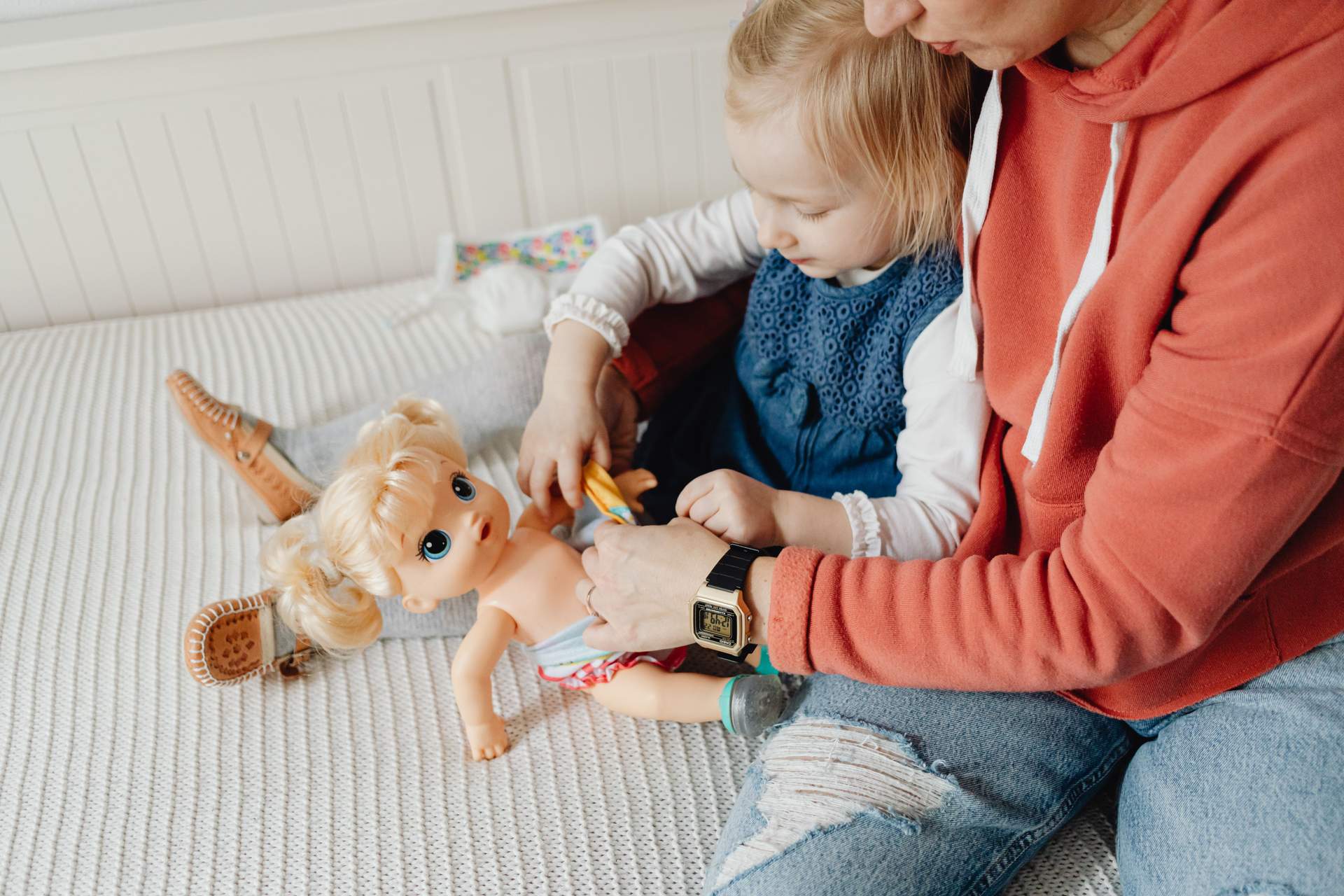
A grandmother and her seven-year-old sit at the kitchen table. The child finally opens up about a fight with their best friend, then quietly adds: "You won't tell Mom, right?" Grandma nods, strokes the little hand, and reassures them. Then at dinner, as if it were the most natural thing in the world, she drops the sentence that ruins everything: "You'll never guess what my little one told me today…" In that moment, something breaks that can't be undone.
This scene plays out in almost every family at some point. And it's exactly this one sentence that can make a child shut down toward their grandparent for years, sometimes for life. It isn't strictness, discipline, or even a harsh comment that damages trust the fastest. It's the moment a child discovers that what they shared in confidence didn't stay between them after all.
The sentence that can burn everything down
"I'm going to tell your mom about this" or "Your dad would definitely want to know" — these sentences sound harmless. To many grandparents, they even feel responsible. After all, a parent should know what's going on with their child, right? But a child processes it completely differently. They didn't share information — they offered trust. When that trust immediately travels onward, without their knowledge or consent, they learn that telling a grandparent something is as risky as announcing it to the entire family out loud.
A child doesn't remember what they told you. They remember that next time, they won't.
Why this hurts a child so deeply
For a young child, a grandparent is often the one adult they don't have to impress, don't have to perform for — someone they can simply be with. It's a place where you can cry, where you can admit you were scared of something, that you lied about something, that you said something mean to someone.
When that safe space suddenly becomes leaky and everything flows straight to the parents, the child loses the one place where they could be honest without risk. This isn't a simple disappointment. It's a basic sense of security collapsing — and most children respond not with anger, but with silence. They simply stop sharing.
When good intentions feel like betrayal
Most grandparents don't betray a grandchild's secret out of malice. Often they do it precisely because they're worried, because they want the parent to know about a problem, or because they simply don't stop to consider that what they heard was confidential.
But from the child's point of view, the intention doesn't matter. What matters is that something they shared in a shaky, frightened voice was known to their parents by the next day — and they never got the chance to decide about it themselves. That feeling, of being decided for, often hurts more than the exposed secret itself.
What a grandparent can do to keep that trust
- If you truly believe the parent needs to know something, talk it over with the child first and decide together how the topic should come up.
- If the situation is serious — a safety concern, suspected abuse, or self-harming behavior — then of course secrecy isn't an option. But that's rarely the case with everyday confessions.
- With smaller things — a school conflict, a disappointment, a secret crush — it's often enough for the grandparent to simply listen and not pass it on.
- If something really does need to be shared, it helps enormously if the child is present when it happens, so nothing takes place behind their back.
Trust isn't a one-time gesture. It's a long, slowly built habit that a single careless sentence can topple. Most grandparents only notice it once their grandchild stops coming to them with stories — answering questions with a few short words, then turning away to look at their phone instead.
Why do children stop talking to their grandparents?
Usually because a confidence they shared was passed on without their consent. Once a child learns that what they say might reach their parents, they often protect themselves by staying silent.
Is it always wrong for a grandparent to tell the parents?
No. When there's a genuine safety concern — suspected abuse or self-harming behavior — keeping quiet isn't an option. But most everyday confessions don't fall into that category.
How can a grandparent share a concern without breaking trust?
By talking it through with the child first and deciding together how to raise it. Having the child present when the topic comes up ensures nothing happens behind their back.
Why does a child feel betrayed even by good intentions?
Because from the child's perspective, the intention doesn't matter — what hurts is being decided for. Feeling that a choice was made over their head often stings more than the secret being revealed.