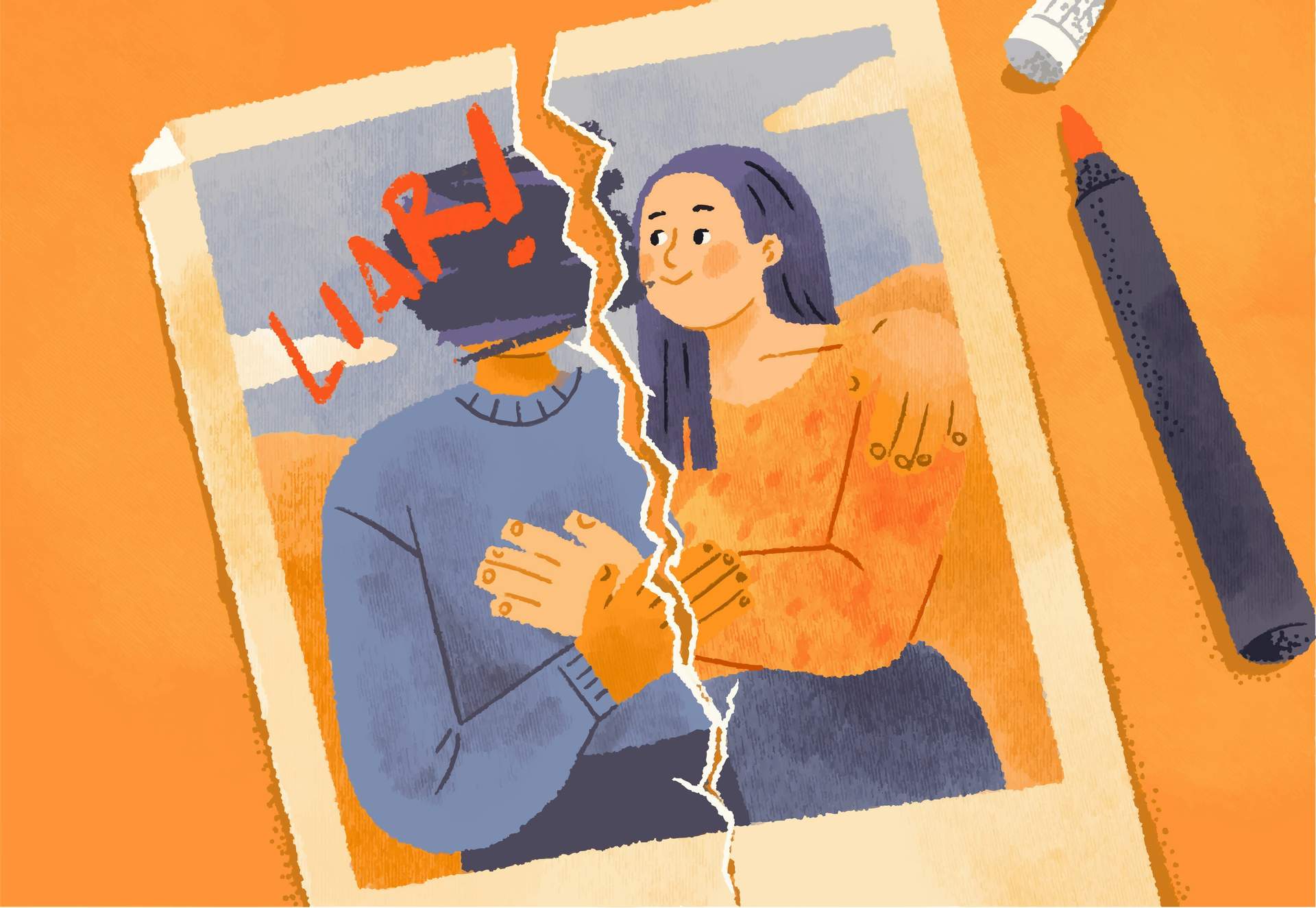
When starting a new relationship, we often wonder if the other person is truly the one we’ll connect with. It’s natural to ask if there’s a personality type that fits us best, or if we ourselves have the traits that build a harmonious partnership.
What Does Psychology Say About Personality Types?
Psychology has been exploring the many sides of human personality for centuries. Various theories aim to uncover which traits shape who we are and how they influence our relationships.
One of the most well-known frameworks is the Big Five personality model, which classifies personality across five key dimensions: openness, conscientiousness, extraversion, agreeableness, and emotional stability. These core traits play a big role in how we relate to others and handle life’s challenges.
The Ideal Partner – Which Personality Type Fits Best?
Harmony in a relationship isn’t about just one personality type—it’s about how two people interact and complement each other. Still, psychologists highlight a few traits that often boost relationship success.
For example, people with high agreeableness tend to show more empathy toward their partners, helping to smooth over conflicts and build mutual understanding. They’re less likely to argue, more flexible, and patient—qualities that support long-term happiness.
Extraverts and Relationship Dynamics
Extraverts are usually more open and social, which can help spark and maintain connections. But balance is key—too much extroversion might feel overwhelming for a more reserved partner.
Working with an introverted partner can create emotional balance, where both learn from each other—from lively social moments to quiet, meaningful downtime.
The Strength of a Conscientious Partner
Conscientious people are often reliable and responsible—traits that matter a lot in lasting relationships. They tend to be attentive to their partner’s needs and committed to nurturing the relationship. When both partners share this quality, it builds a strong foundation.
Emotional Stability – The Key to Handling Conflict
Relationships naturally face challenges, so emotional stability is a game-changer. People who can manage their emotions and stay calm under stress are better equipped to navigate problems together.
Emotional stability also helps partners express thoughts and feelings clearly and find new solutions as a team.
Which Personality Type Makes the Best Partner?
In the end, there’s no simple formula for the best partner. True harmony comes from the dynamic interplay of different personalities. Being honest with ourselves and appreciating our partner’s unique qualities is key. Remember, real relationship happiness often grows from willingness to compromise and shared commitment to common goals.
Psychologists emphasize that instead of chasing perfection, the focus should be on understanding both your own and your partner’s personality traits to make the most of your connection.
If you want to dive deeper into this journey—like improving negotiation skills or emotional intelligence—you’ll find plenty of helpful tips in other articles on Bien.hu.