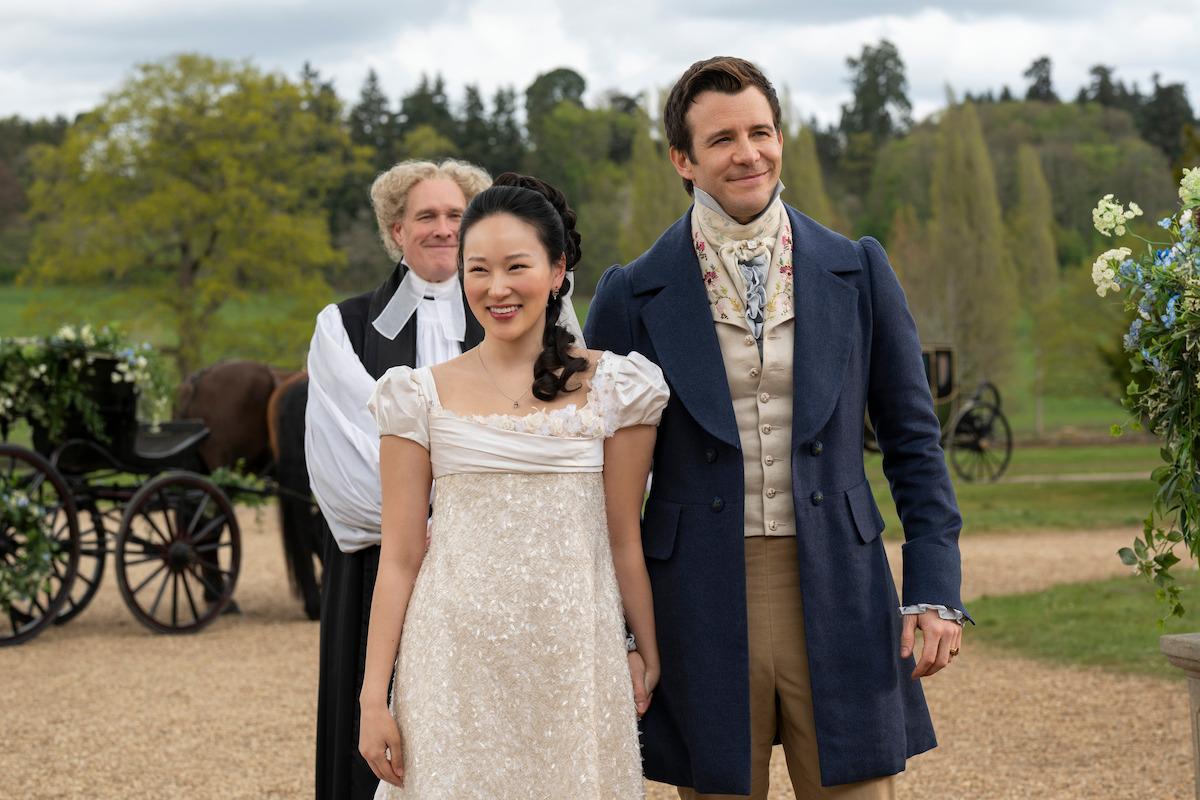
Cover photo: TUDUM by Netflix / Liam Daniel
For weeks, fans worldwide eagerly awaited how Sophie and Benedict’s story would unfold in the second half of Bridgerton’s fourth season. The first part stirred quite a bit of emotion, especially after Benedict—though not with bad intentions—made a rather humbling proposal: “Be my mistress.”
That line disappointed many viewers—including me. So the stakes were high: could the show mend the emotional rift it caused? My answer is a clear yes. In fact, this became my most lovable season yet—the kind I’d happily rewatch anytime.
Heads up! Some parts of this article contain spoilers from the second half of season 4.
A Relationship Built on Genuine Foundations
Benedict Bridgerton (Luke Thompson) and Sophie (Yerin Ha) both undergo remarkable growth. What makes their story truly special is the emotional honesty present from the start. Even when misunderstandings and social divides kept them apart, their genuine attraction was always there.
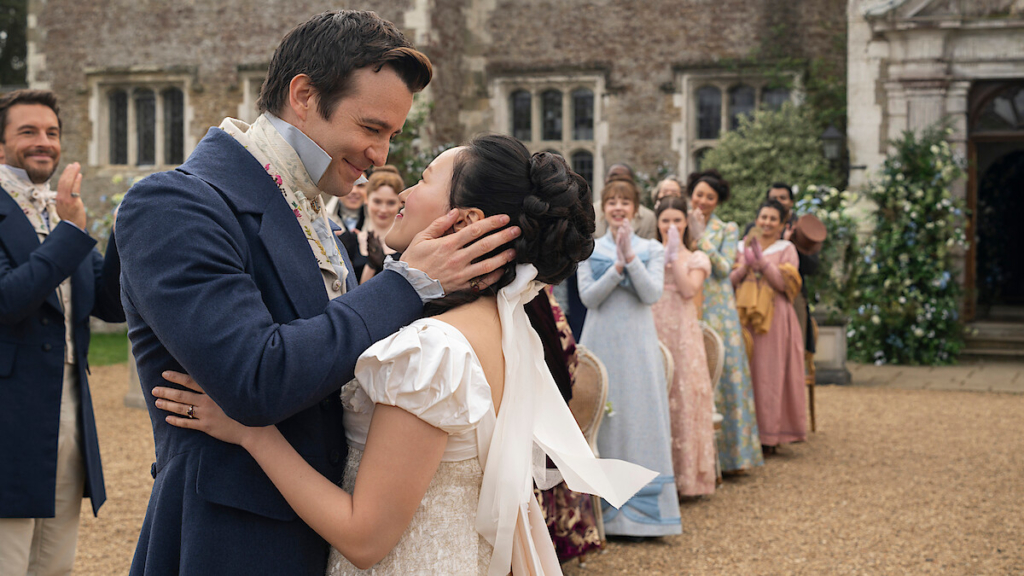
The frustration from the first half—Benedict failing to recognize Sophie as the lady in the silver dress—created real tension. But the second half gently eased this, shifting focus from secrets and misunderstandings to emotional connection.
I truly believed they fell in love. It wasn’t just passion between them, but a soulful bond rarely this authentic in a lavish period drama. By the season’s end, they became my favorite couple in the entire series.
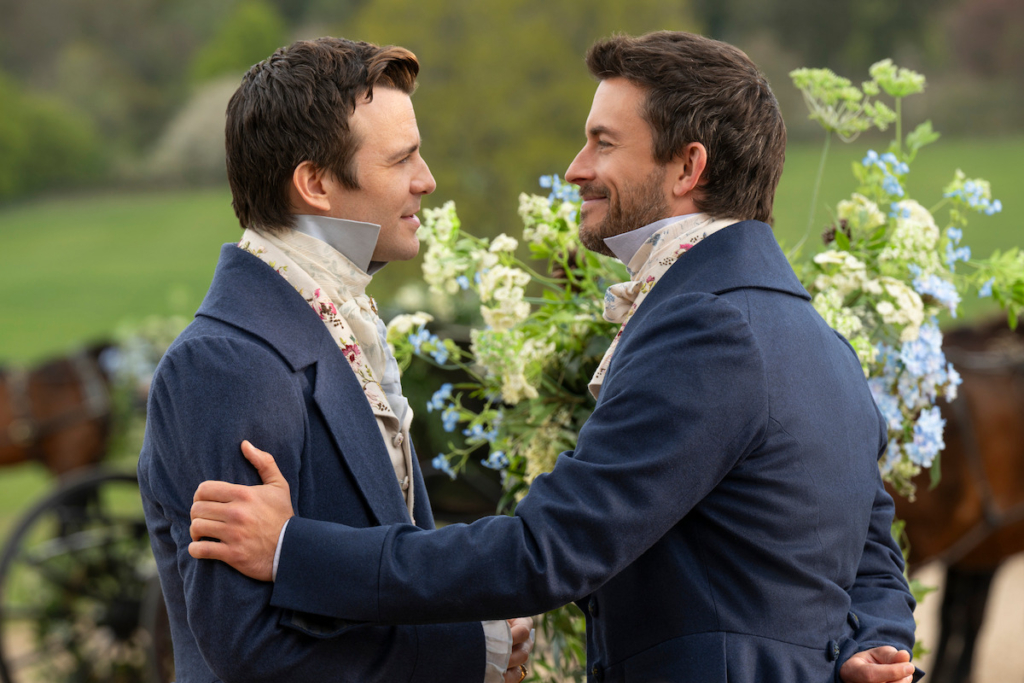
A Mother’s Support Changes Everything
I especially appreciated Lady Violet Bridgerton (Ruth Gemmell) in this story. Once she confirmed Benedict’s true feelings, she supported Sophie warmly and kindly, despite social challenges and Sophie’s uncertain status.
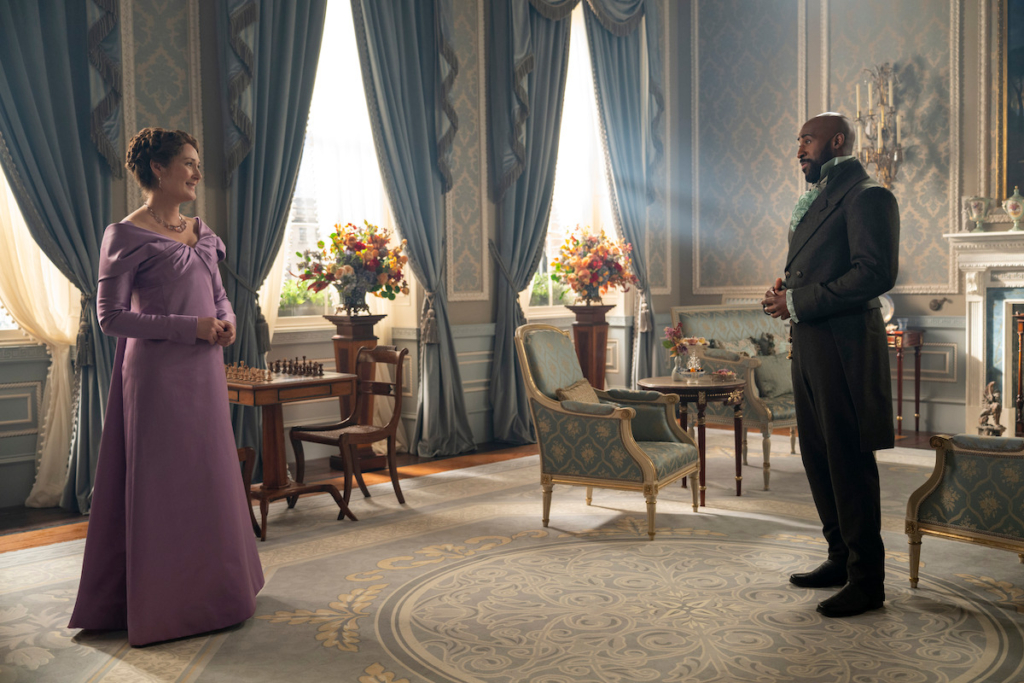
Violet’s character once again showed what unconditional maternal love means: she looked past rank and gossip to her son’s happiness. These quiet yet powerful moments gave the story emotional security and balanced earlier conflicts.
Violet and Lord Anderson – Open Questions for the Future
The evolving relationship between Lady Bridgerton and Lord Anderson also remains an intriguing thread. For Violet, this could mark a new chapter, yet her cautious uncertainty about their future feels true to her character.
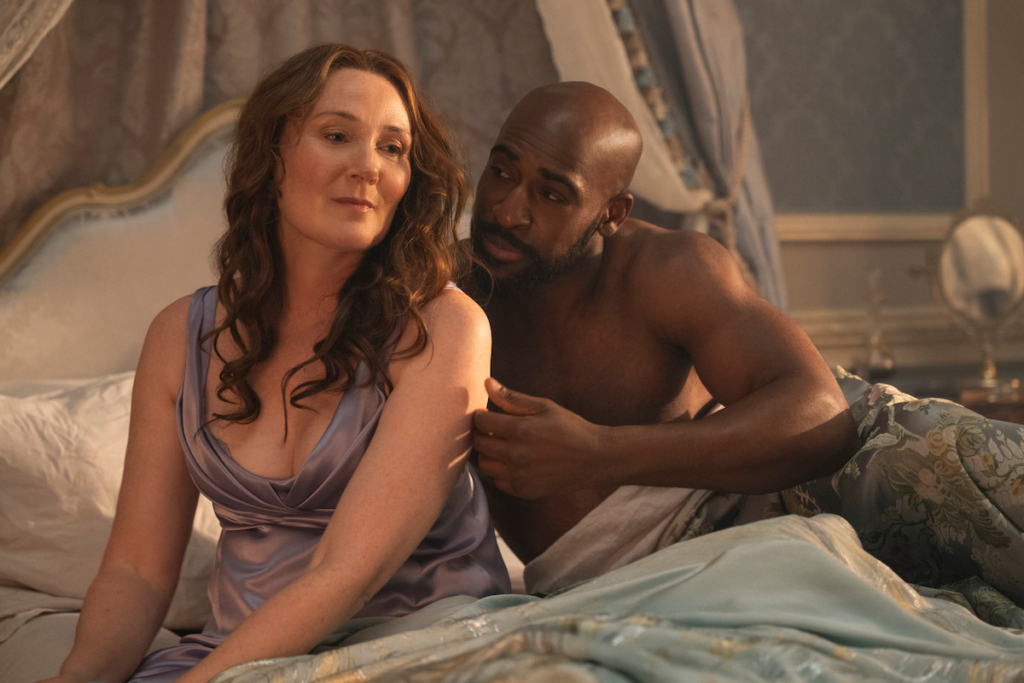
It’s exciting to wonder whether their relationship will deepen next season or if they’ll part ways for good. Either way, it’s great to see their story still holds promise.
A Fresh Take on Cinderella, Set Against Royal Backdrops
Sophie’s story is clearly a modern yet classic retelling of Cinderella. Her blue gown at Queen Charlotte’s (Golda Rosheuvel) ball wasn’t just a visual highlight—it was an emotional milestone. That scene spoke of identity, dignity, and Sophie stepping out of the shadows.
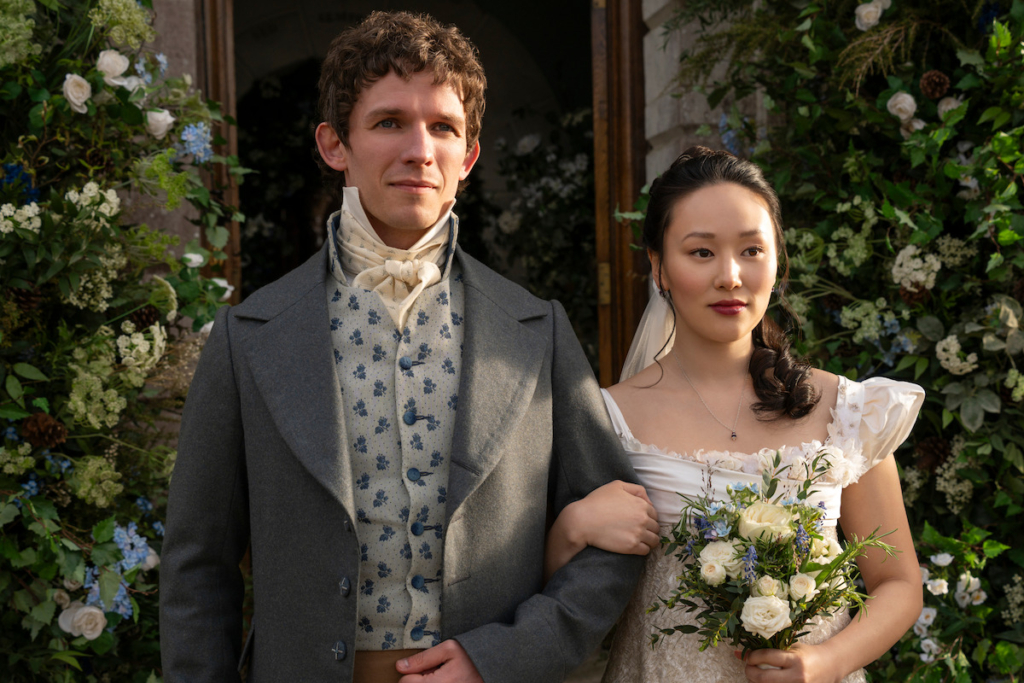
Sophie’s stepmother, Lady Araminta (Katie Leung), convincingly portrayed the cold, calculating role, while her younger sister, Posy (Isabella Wei), brought a fresh, secret supportive presence. This dynamic added depth and made the classic tale feel more relatable.
From Villain to Nuanced Character: Cressida’s Growth
Cressida Cowper (Jessica Madsen) also had a noteworthy character arc. Previously, her lies seriously hurt Penelope (Nicola Coughlan), making her a frustrating figure for a long time.
That’s why it was refreshing to see the show give her room to grow. She didn’t become instantly likable, but she gained complexity. Her vulnerabilities and fears behind a tough exterior were revealed, elevating the series with richer character development.
The Missing Conversation: Kate and Sophie
While I enjoyed Benedict and Sophie’s blossoming romance, I missed one thing: more screen time for Anthony (Jonathan Bailey) and Kate (Simone Ashley). Especially Kate’s character alongside Sophie felt like a gap.
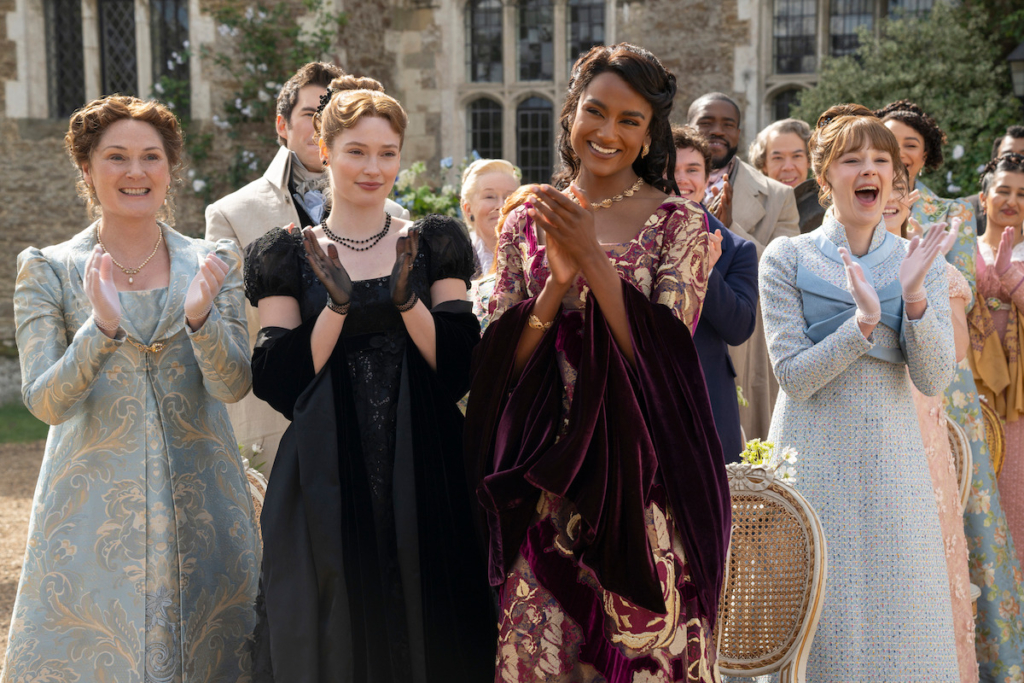
The screen almost demanded an honest talk between them—two strong women fighting for themselves who know what it’s like to feel like outsiders in a closed society. It’s easy to imagine the deep, inspiring dialogue they could have had, yet we only got a brief hint from Kate.
The Younger Generation and the Building Future
It was refreshing to see Gregory and Hyacinth given more space. The youngest Bridgerton siblings brought freshness and nicely set the stage for future seasons. Eloise’s character development also felt more deliberate, gently preparing us for her own love story.
Francesca’s Pain and an Uncertain New Relationship
Francesca’s struggles, especially after losing her husband, were heart-wrenching. Her storyline remained emotionally strong, but the relationship with Michaela Stirling didn’t quite come together for me.
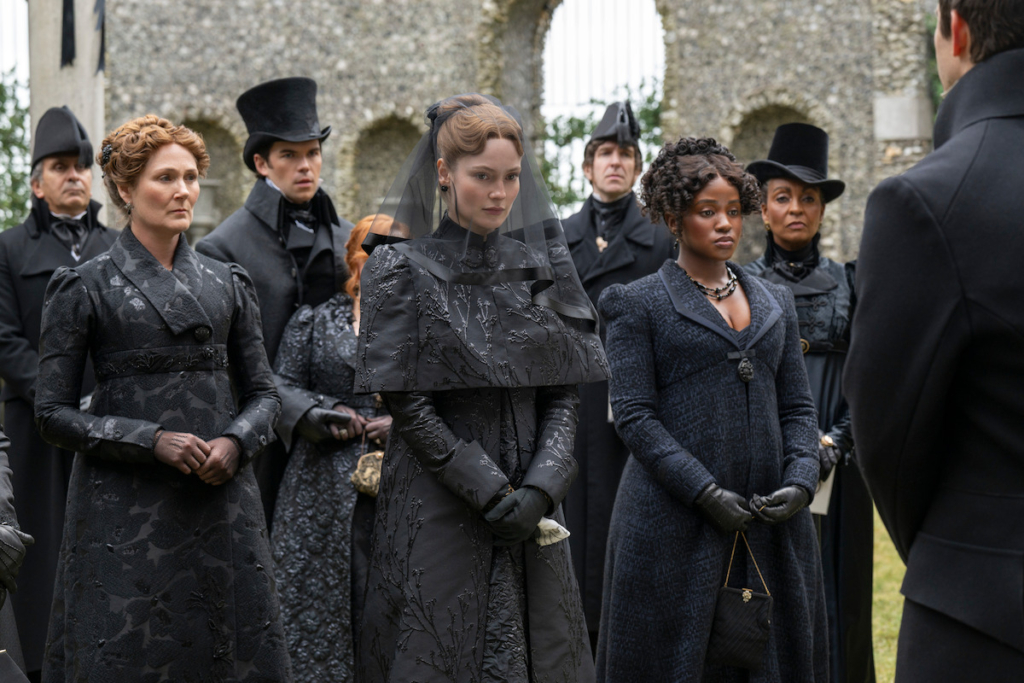
I didn’t feel the same overwhelming emotional power here as with Benedict and Sophie. But this is just the beginning—it’s likely a deeper, more nuanced love story will unfold.
An Era Ends, a New Secret Begins
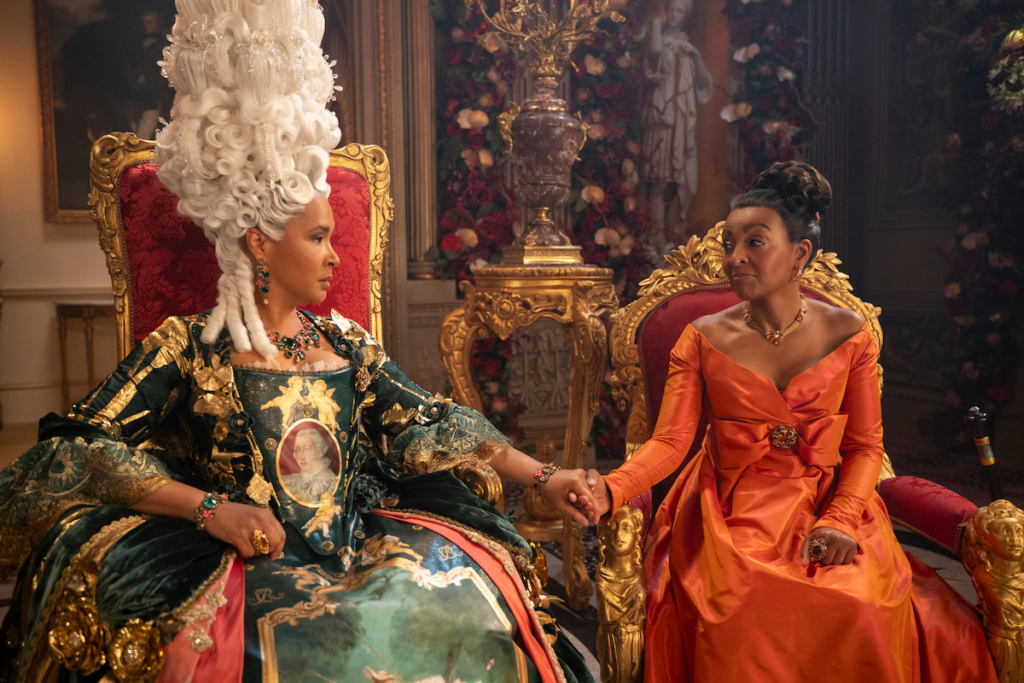
Penelope’s role faded somewhat after letting go of Lady Whistledown, and I missed her stronger presence. Still, the season finale’s twist—a new mysterious writer entering the scene—promises surprises. It was also heartwarming to see Mrs. Varley and Lady Featherington reconnect, as well as the deepening friendship between Queen Charlotte and Lady Danbury.
Music, Costumes, and That Certain Rewatchable Magic
We can’t overlook the costumes and music selection. The visuals were stunning again: the outfits not only looked beautiful but also shaped character. The soundtrack perfectly supported emotional highs.
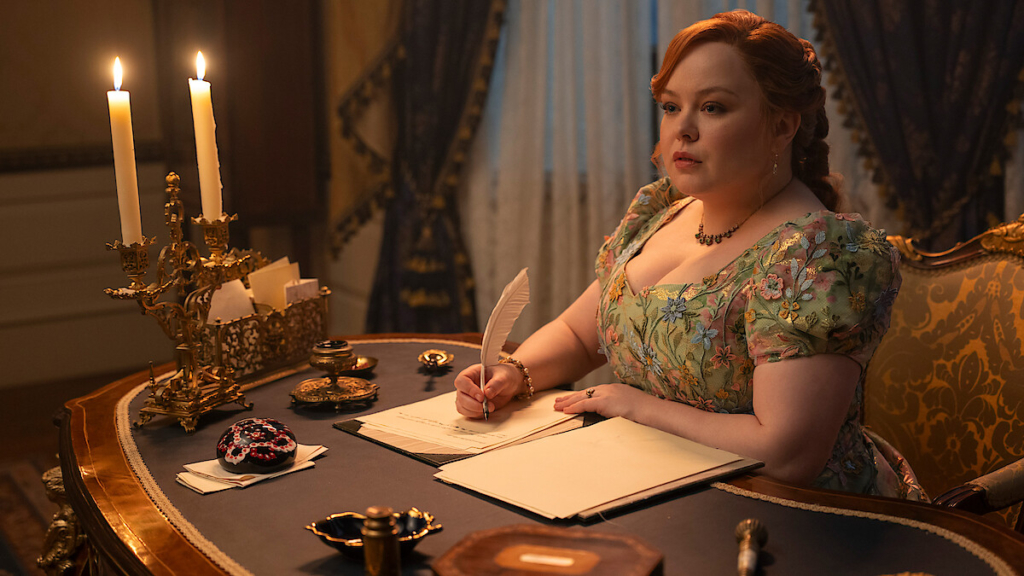
This season became my favorite because it reminds me that pure, honest love exists in this universe. Benedict and Sophie’s story isn’t just another romance—it’s a relationship I genuinely rooted for.
I’d gladly watch this season again anytime. Not just for the visuals, but for the feeling it gives. If a show can evoke this, then I’m already excited for what’s next.