The thing I remember most from wellness retreats is never the treatment menu. It is the walk back to the room afterwards: hair damp, skin cooling in the night air, brain oddly empty, legs heavy in the good way. By the time my head hit the pillow, the running commentary that usually starts at eleven had simply not turned up. It took me an embarrassing number of years to realise that this effect is not made of expensive robes and eucalyptus. It is made of heat, then cooling, then a room with no screens in it — and all three are available on a Tuesday in your own bathroom.
Why heat, then cool, signals the end of the day
Getting warm and then letting your body cool down is one of the oldest wind-down cues there is; it is why a bath before bed has been a bedtime ritual for generations across very different cultures. The warmth relaxes tight muscles and pulls attention out of your head and into your shoulders and hands. The cooling afterwards is the part most people cut short by getting straight back into a bright, warm room with a phone in it.
There is a psychological layer too, and I think it does at least as much work. A heat ritual is one of the few things that is genuinely incompatible with multitasking. You cannot answer emails in a steam-filled bathroom. The evening gets a boundary drawn through it, and the mind, which mostly races because it has never been told the day is over, gets a clear signal.
The bathroom version: forty minutes, no equipment
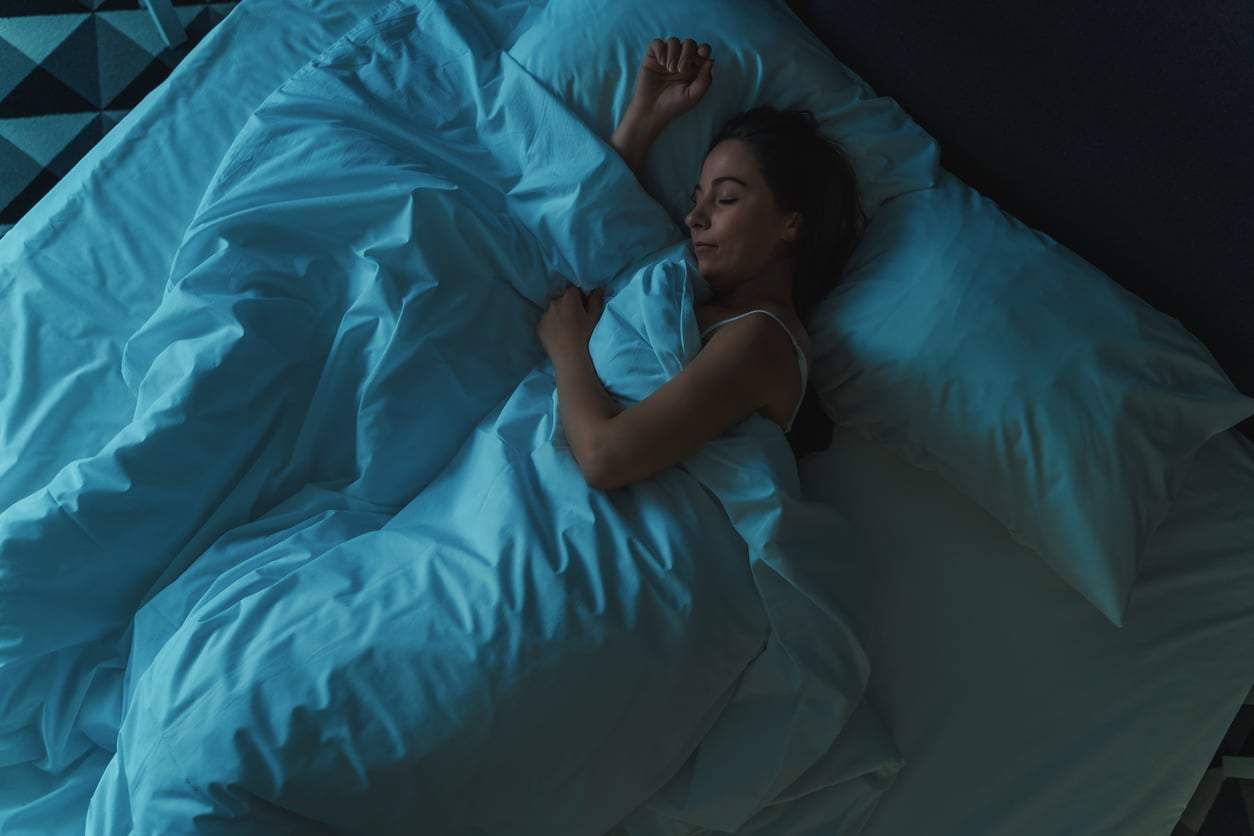
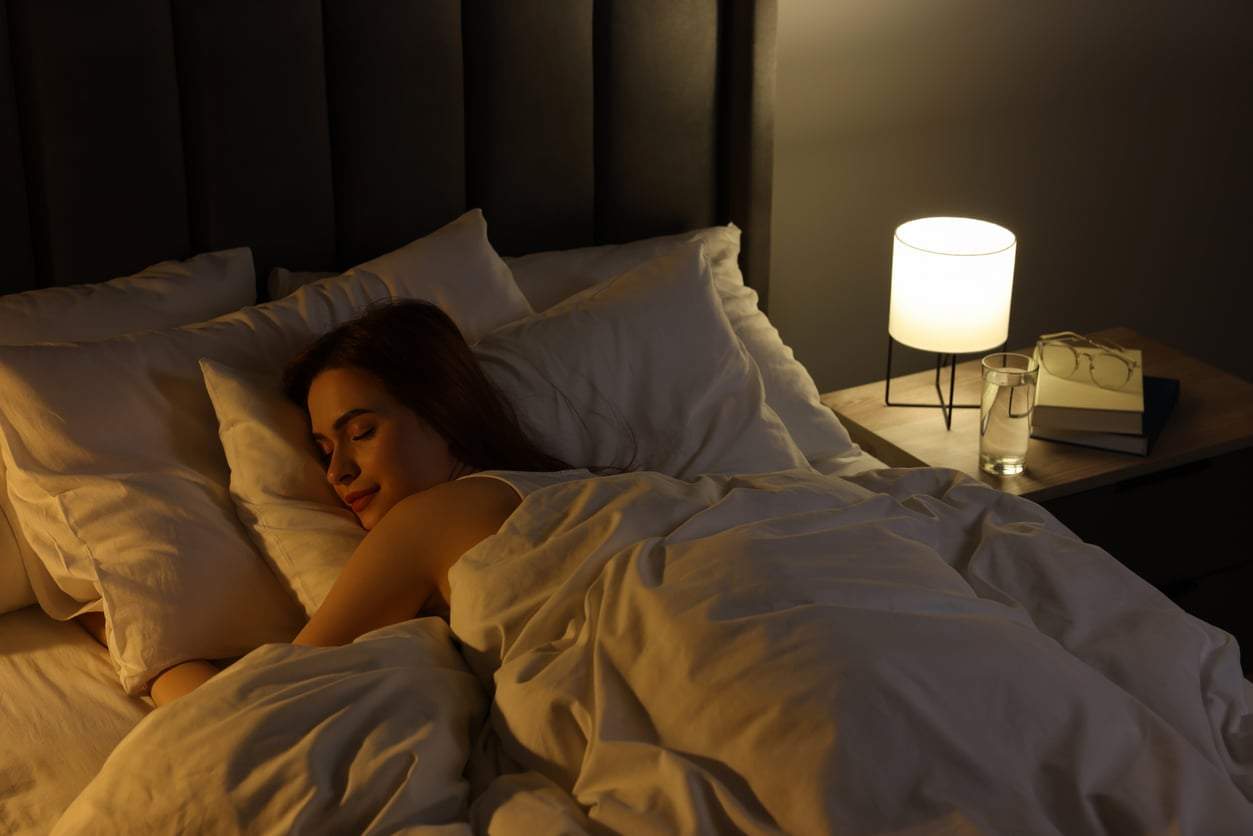
Start by preparing the room you will return to, because that is the step everyone skips. Turn the bedroom lamp on low, open a window for a few minutes so the room is cool when you come back, put the phone on charge in another room, and leave a glass of water and a book on the bedside table. Ten seconds of setup, and the whole thing works.
Then run the bath warm rather than scalding, or take a long, hot shower if you have no bath. Twenty minutes is plenty. Dim the light — a single candle or the hallway lamp is enough — and let yourself be bored. If your mind sprints, give it something small and physical to do: notice the sound of the water, count ten slow breaths out, run a rough oil or salt scrub over your arms and legs.
The cool-down is the ritual's second half, not an afterthought. Finish with thirty seconds of cooler water at the end of the shower, or simply step out and sit wrapped in a towel with the window open for five minutes before you dress. Loose cotton, no hairdryer if you can bear it, then straight into that cool, dim bedroom. Herbal tea optional; the empty half hour is not.
The leisure-centre version: pool, sauna, home in the dark
If you have a public pool with a sauna or steam room nearby, the off-peak evening session is one of the most underrated small luxuries in ordinary life. The rhythm is simple: swim gently for fifteen or twenty minutes — no lengths targets, no tracking — then a short spell in the sauna, then a cool shower, then repeat once if you are enjoying it. Sit rather than stretch out if it's busy, take a bottle of water in with you, and leave before you feel light-headed rather than at some heroic number of minutes.
The magic ingredient is what happens afterwards. Walk or drive home in the dark without a podcast, keep the lights low when you get in, and eat something small and warm if you're hungry. The whole thing takes about ninety minutes, and it reliably beats an evening of scrolling followed by two hours of ceiling-staring.
What to skip, and when to ask first
Skip the very hot, very long sauna sessions, skip alcohol beforehand, and don't attempt a cold plunge on a whim because it looked good online. Heat rituals are not a good idea for everyone: if you are pregnant, have heart or blood pressure conditions, get dizzy easily or are taking medication that affects how your body handles heat, check with your doctor before making this a habit. And if racing thoughts at night are persistent rather than occasional, a bath is a comfort, not a treatment — that is a conversation for a professional.
How long should I stay in a sauna if I'm new to it?
Start short — a handful of minutes on the lower bench, where it is cooler — and treat it as something you build up to over several visits rather than endure in one. Come out as soon as you feel uncomfortable, dizzy or restless, cool down properly, and drink water before you consider going back in.
What if I don't have a bath or a pool nearby?
A long, warm shower followed by a deliberate cool-down does most of the same job, especially if you protect the quiet half hour afterwards. Warm feet are the other reliable shortcut: a basin of hot water for ten minutes while you read, then dry socks and a cool bedroom, is a surprisingly effective miniature version of the whole ritual.