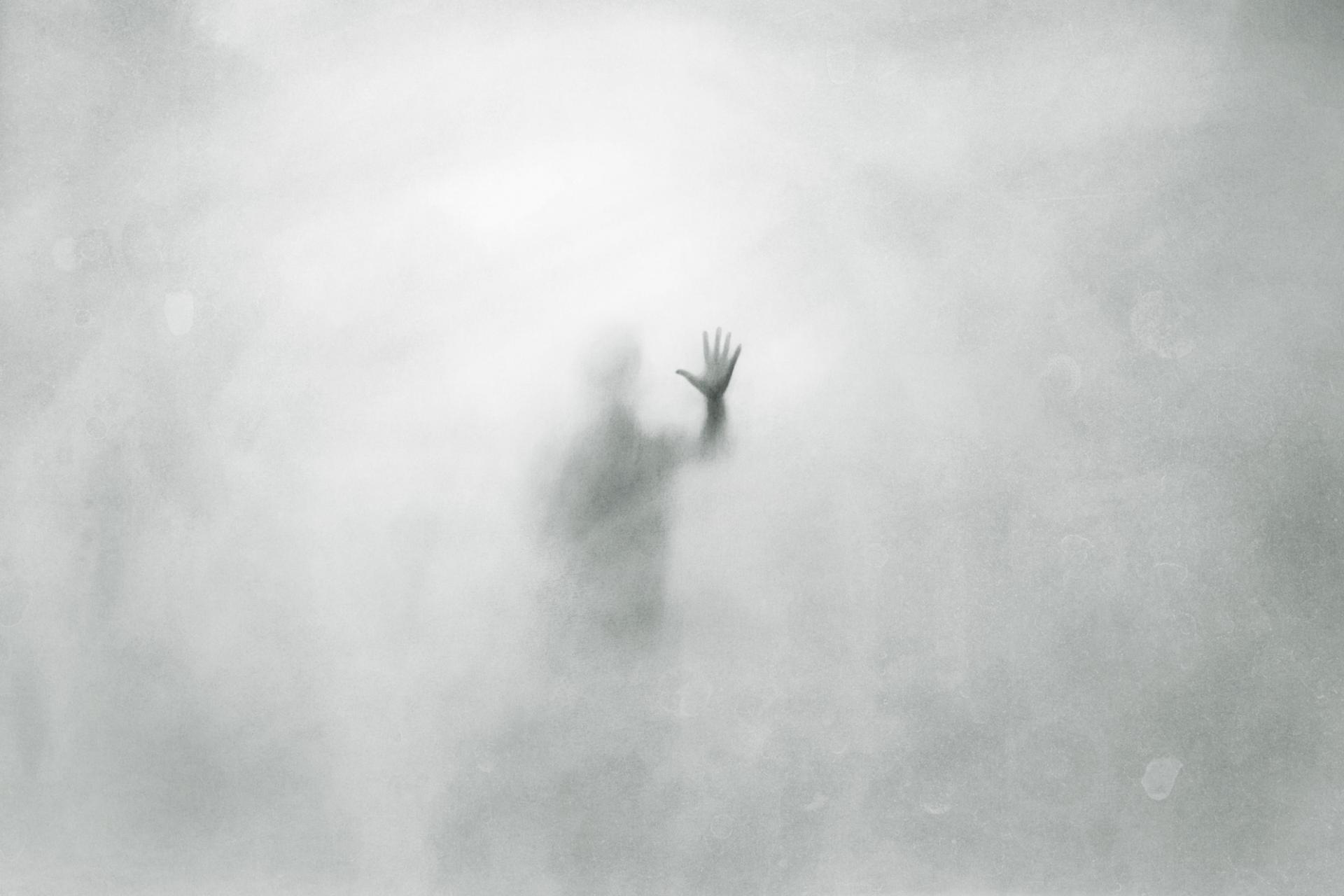
Humanity views death and the life that follows in many ways, as the history and beliefs of different societies fundamentally determine how to prepare for the final journey. While in the Western world this topic is often surrounded by fear and uncertainty, other cultures consider death a natural part of life.
In Tibetan culture, for example, the "Bardo Thodol," or the Book of the Dead, describes in detail the states after death and the processes of rebirth. Such preparations aim to help the deceased navigate the afterlife. In contrast, the Western world often focuses more on grief and loss rather than the hope of a new beginning.
Acceptance of Finiteness or the Celebration of Life
Many cultures recognize that death is not just an endpoint but also a possibility for a new beginning. The ancient Egyptians believed in the immortality of the soul and the continuation of life after death. As part of this, mummification and elaborate tomb construction ensured comfort and continuity in the afterlife. The belief that death is merely a passage to another form of life provides comfort to many and can promote respect for and celebration of life.
Mexico’s "Dia de los Muertos," or Day of the Dead, also centers on celebrating life, where the memory of deceased loved ones is recalled with joyful and colorful ceremonies. This holiday is a special occasion that allows the community to laugh, dance, and remember those who are no longer with them.
Faith and Spirituality: Illuminating the Mysteries of Existence
For many people, faith and spirituality provide comfort against the uncertainties surrounding the thought of death. Various religions and spiritual paths around the world offer support. Buddhism, for example, focuses on the impermanence of life and achieving enlightenment, viewing death as just another step in the spiritual journey.
Religions often provide a framework that helps believers interpret and accept life after death. Christianity, for instance, promises resurrection, while Islam proclaims eternal life, which can be attained based on one’s deeds and faith. These beliefs offer millions spiritual peace and hope after earthly life ends.

Lessons of Death and Life in the Modern World
Modern society often forgets the possibilities of processing death and grief, as death is less present in everyday life and often considered taboo. Advances in Western medicine and technology have made life extension possible, but facing and accepting death often lags behind.
Mindfulness and other therapeutic methods increasingly emphasize that the thought of death is not only inevitable but can also help in appreciating life more deeply. Awareness of life’s finiteness can encourage us to live our days fully and find inner peace by acknowledging life’s transient nature.
The Power of Love in Afterlife Connection
Those who have lost someone often seek ways to remain connected with their deceased loved ones. The diversity of spirituality and beliefs allows afterlife connections to become means of reshaping love. Many believe the soul exists after death and conveys messages in various ways, such as through dreams or spiritual phenomena.
Such faith can help in processing grief and provide comfort to those who do not want the bonds of love to be broken by death.