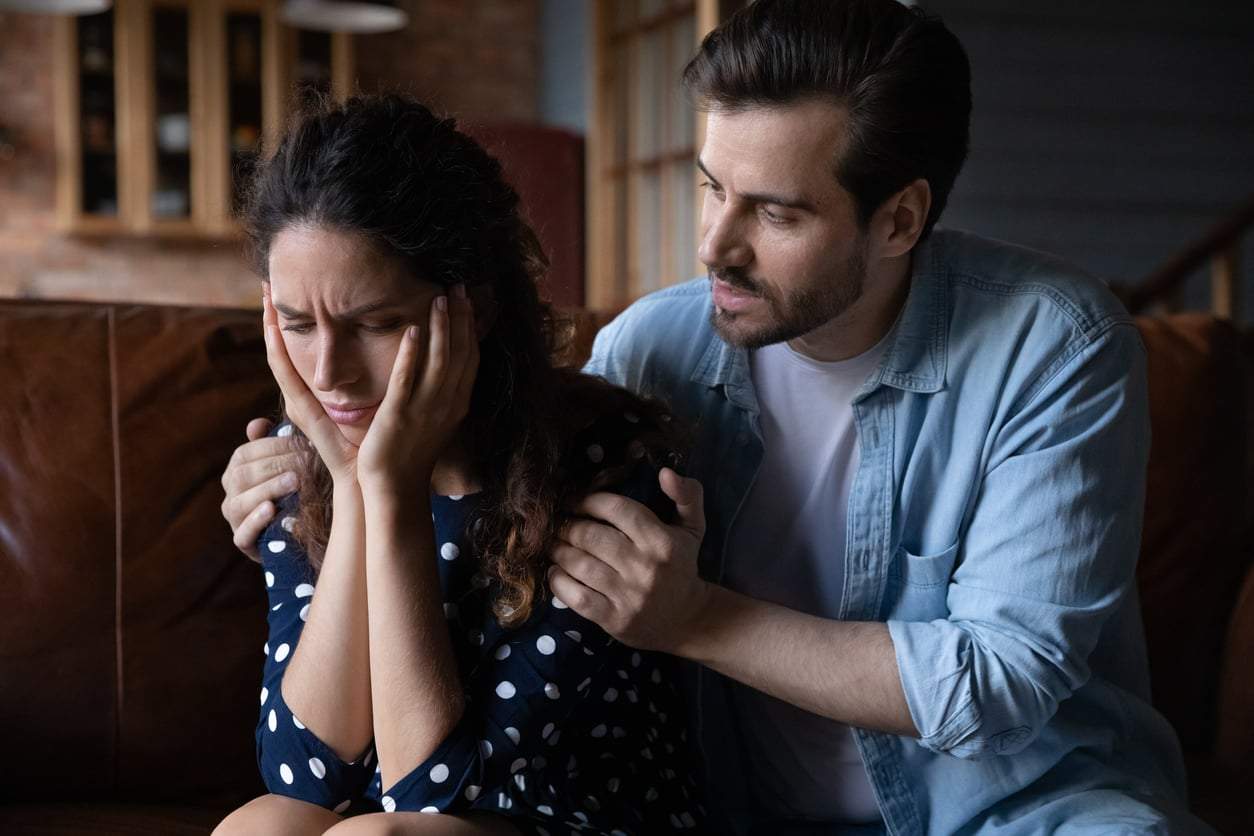
Why Is Passive-Aggressive Behavior Hard to Spot?
Recognizing passive-aggressive behavior in a relationship is challenging because the person often expresses negative feelings in subtle, hidden ways rather than openly. This kind of behavior usually comes from deep-rooted frustration, anger, or dissatisfaction they don’t want or can’t directly share with their partner.
This can be especially tough in a relationship where open communication is key to harmony. When a passive-aggressive partner keeps their true feelings to themselves, conflicts remain unresolved, which can harm the relationship over time.
Common Excuses and Procrastination
A common sign of passive-aggressive behavior is when your partner frequently makes excuses or delays tasks they find unpleasant. This might be intentional or unconscious, but the message is clear: something about the task frustrates or annoys them.
This often leaves the other partner feeling overwhelmed, which can create tension. Constant delays or refusals can even block cooperation, whether in the relationship or daily responsibilities.
The Mask of Indifference
Passive-aggressive people often pretend not to care about a problem or situation, avoiding confrontation.
They use this indifference to dodge arguments while still showing their dissatisfaction—yet they don’t take steps to fix the issue.
This can be especially damaging in a relationship where honest communication is a foundation. If your partner won’t or can’t openly share their feelings, it’s impossible to truly understand what’s going on beneath the surface.

Sarcasm and Hidden Criticism
Sarcasm and subtle criticism are classic signs of passive-aggressive behavior because they let someone express negative feelings without direct confrontation. Sarcasm often hides insults wrapped in “humor”, leaving the other person confused and unsure how to respond.
Over time, these subtle digs can chip away at self-esteem, especially if your partner uses them regularly. It’s important to recognize these hidden messages and prevent them from poisoning your connection.
Avoiding Problems and Bottled-Up Tension
Passive-aggressive people often avoid conflict, but that doesn’t mean their tensions get resolved. Instead, they bottle up feelings, which can lead to more stress and unresolved issues over time.
This behavior is especially risky if the other partner tries to smooth things over, because avoided conflicts tend to resurface repeatedly, making it harder for the relationship to grow and stay stable.
How to Help Your Partner Change
Helping a partner with passive-aggressive behavior isn’t easy, but it’s possible. The first and most important step is building open, non-judgmental communication. Set aside regular times where both of you can safely share feelings and concerns.
Another helpful step is supporting your partner to recognize their own feelings and where they come from. This might involve a psychologist or couples therapist who can offer professional guidance to break passive-aggressive patterns. At the same time, be patient, encourage progress, and celebrate small wins.
Workshops, counseling, and self-help books can also support your partner in understanding and managing these feelings better, helping you both move toward healthier, more balanced communication.