Maintaining proper iron levels is essential for your body to work well. Iron is vital for carrying oxygen, producing energy, and boosting your immune defenses. Still, many people don’t suspect iron deficiency as a cause of their issues and often overlook its physical and emotional signs. Research shows that almost 50-60% of people are unaware they have iron deficiency.
Iron deficiency shows up physically with several clear signs. One of the most common is constant fatigue and exhaustion, even after enough rest. Without iron, red blood cells can’t efficiently transport oxygen, leading to lower energy levels.
Other frequent complaints include dizziness, headaches, and rapid breathing as the body tries to compensate for low oxygen. This kind of shortness of breath is especially noticeable during physical activity.
Skin and Nail Changes
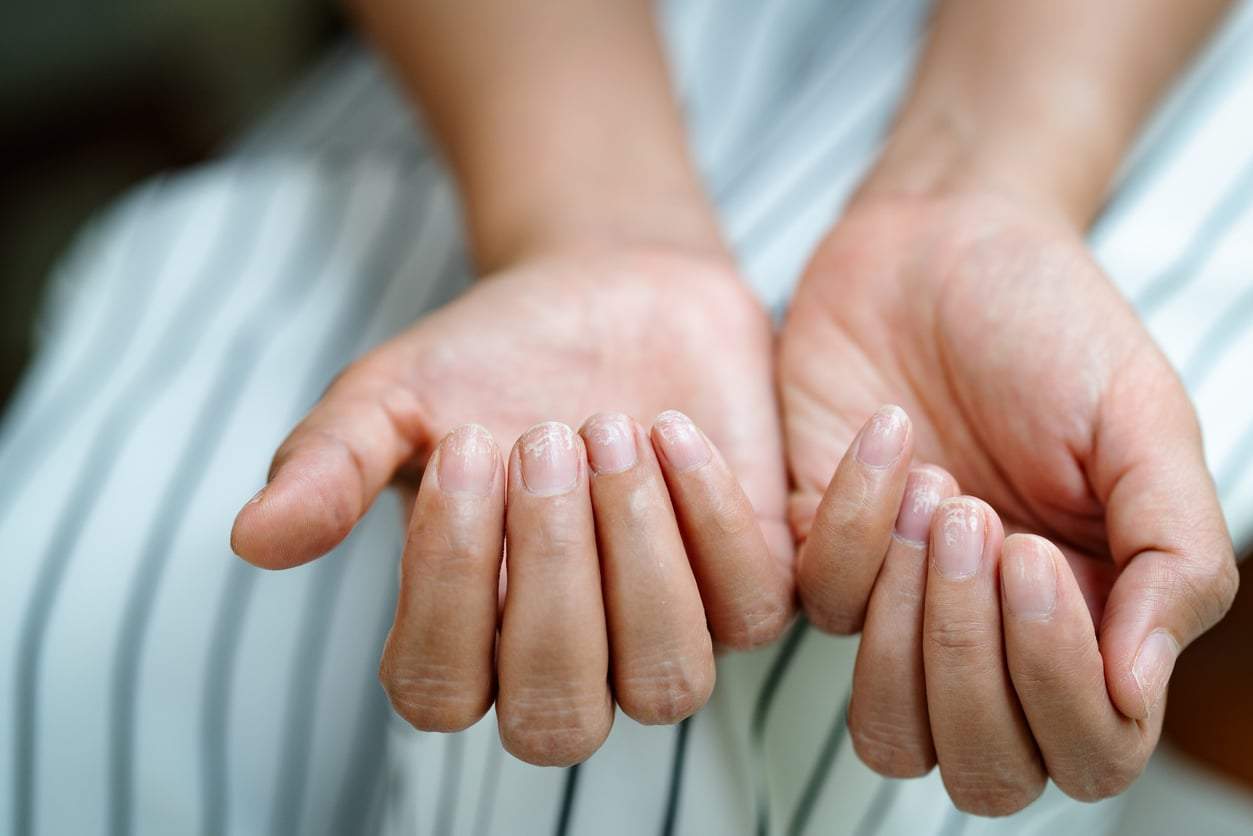
Iron deficiency can directly affect your skin and nails. Your skin may become dry and pale, and brittle nails often signal this issue. In some cases, nails can develop a spoon-shaped concavity, medically known as koilonychia.
Many also report cracks at the corners of the mouth or tongue pain, both potential signs of low iron.
Emotional and Cognitive Effects of Iron Deficiency
Iron deficiency doesn’t just cause physical symptoms—it can impact your mental well-being too. Low iron often links to reduced concentration and may contribute to mood swings, depression, or anxiety.
Memory problems, inattentiveness, and learning difficulties are also telling signs. These symptoms are often not connected to iron levels, but it’s important to consult a healthcare professional if you notice them.
Who’s at Risk?
Certain groups face a higher risk of iron deficiency. For women, blood loss during menstruation, increased iron needs during pregnancy, and breastfeeding all contribute to lower iron levels.
Vegetarians, vegans, or those not eating enough iron-rich foods are also more vulnerable. Older adults may be more sensitive due to dietary changes and slower metabolism.
How to Manage Iron Deficiency
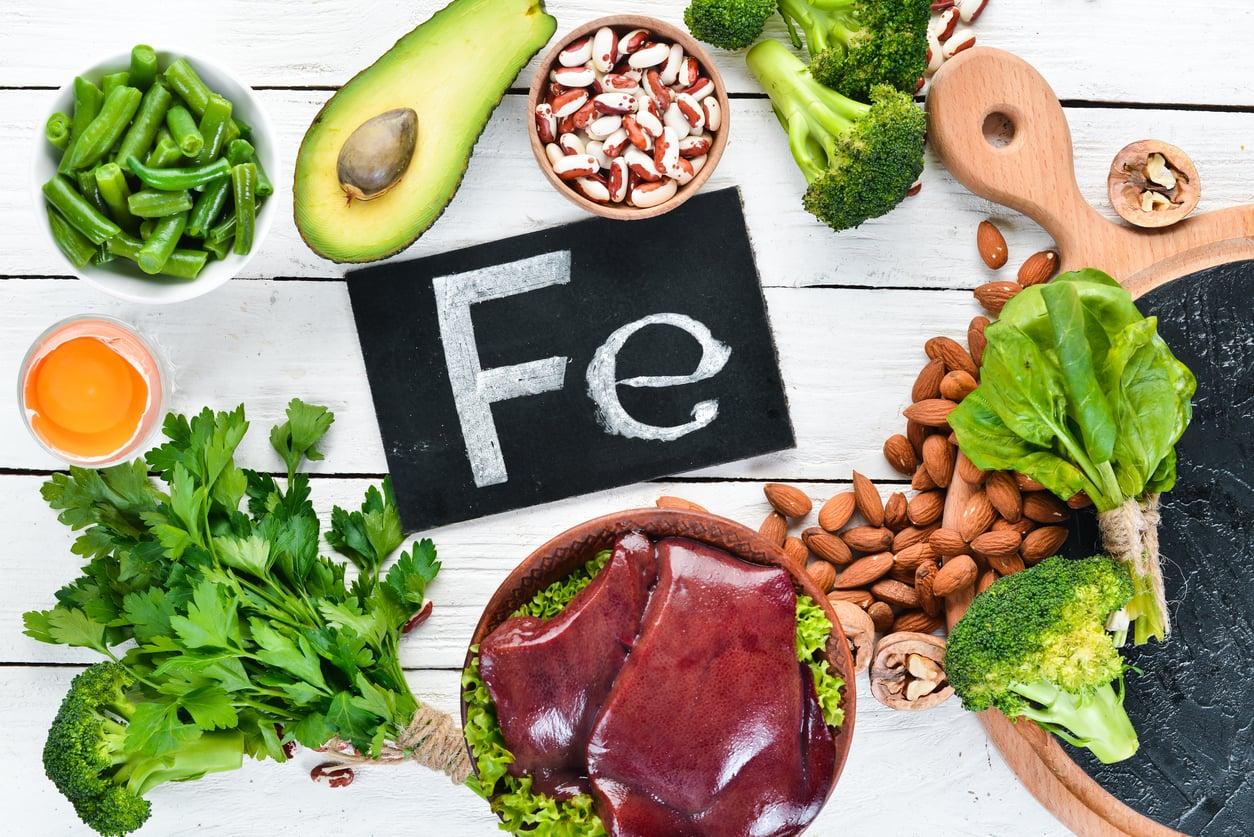
Treating iron deficiency starts with diet changes. Regularly eating iron-rich foods like red meat, shellfish, spinach, and lentils helps maintain healthy iron levels. Consuming vitamin C-rich foods, such as citrus fruits, can boost iron absorption.
In more severe cases, medical treatment may be necessary. Iron therapy, including supplements, can be effective for many. Always start any treatment under medical supervision, as too much iron can be harmful.