We’ve all noticed how some people walk barefoot without feeling the chill, while others swear by thick socks even indoors. But what’s the science behind cold or sweaty feet? Let’s explore the key factors that shape how our feet feel temperature-wise.
The Role of Your Circulatory System
Your feet’s temperature depends a lot on how well your circulatory system works. Its job is to deliver blood throughout your body, but in cold conditions, blood vessels can tighten, reducing blood flow. People with circulation issues often feel cold feet, especially those with vascular problems.
Conditions like peripheral artery disease can also affect how warm your feet feel by limiting blood flow to your limbs, leading to that chilly sensation.
Skin and Sweat
Your skin and sweat glands play a big part in foot temperature. If you tend to sweat more naturally, you might often deal with damp feet. Sweat cools your skin, which can make your feet feel colder.
This effect is especially noticeable in warmer months when humidity keeps your feet moist, cooling the skin and lowering the temperature you feel.
Nervous System Factors
Differences in foot temperature often come down to how your nervous system responds. Sensitivity of peripheral nerves and reactions to heat vary from person to person. Some neurological conditions, like neuropathy, can disrupt your natural sense of temperature.
In these cases, you might feel not only cold but also intense warmth or burning sensations, which can confuse your body’s temperature signals.
Nutrition and Metabolism
What you eat—and how well your body processes it—also shapes your temperature regulation. A balanced diet helps you handle cold better.
On the flip side, undernutrition or low calorie intake can reduce your body’s heat production, leading to cold feet. Your metabolism’s speed and efficiency are key to keeping your body warm.
Mental Factors
Your mental state is closely linked to how you perceive temperature. Anxiety and stress can affect your autonomic nervous system, causing cold feet or increased sweating.
Stress can trigger physical symptoms through psychosomatic responses, often showing up as cold feet during tense or anxious moments.
Dressing Habits
Last but not least, how you dress affects your feet’s warmth. Those who prefer going barefoot at home or outside might have less protection against the cold.
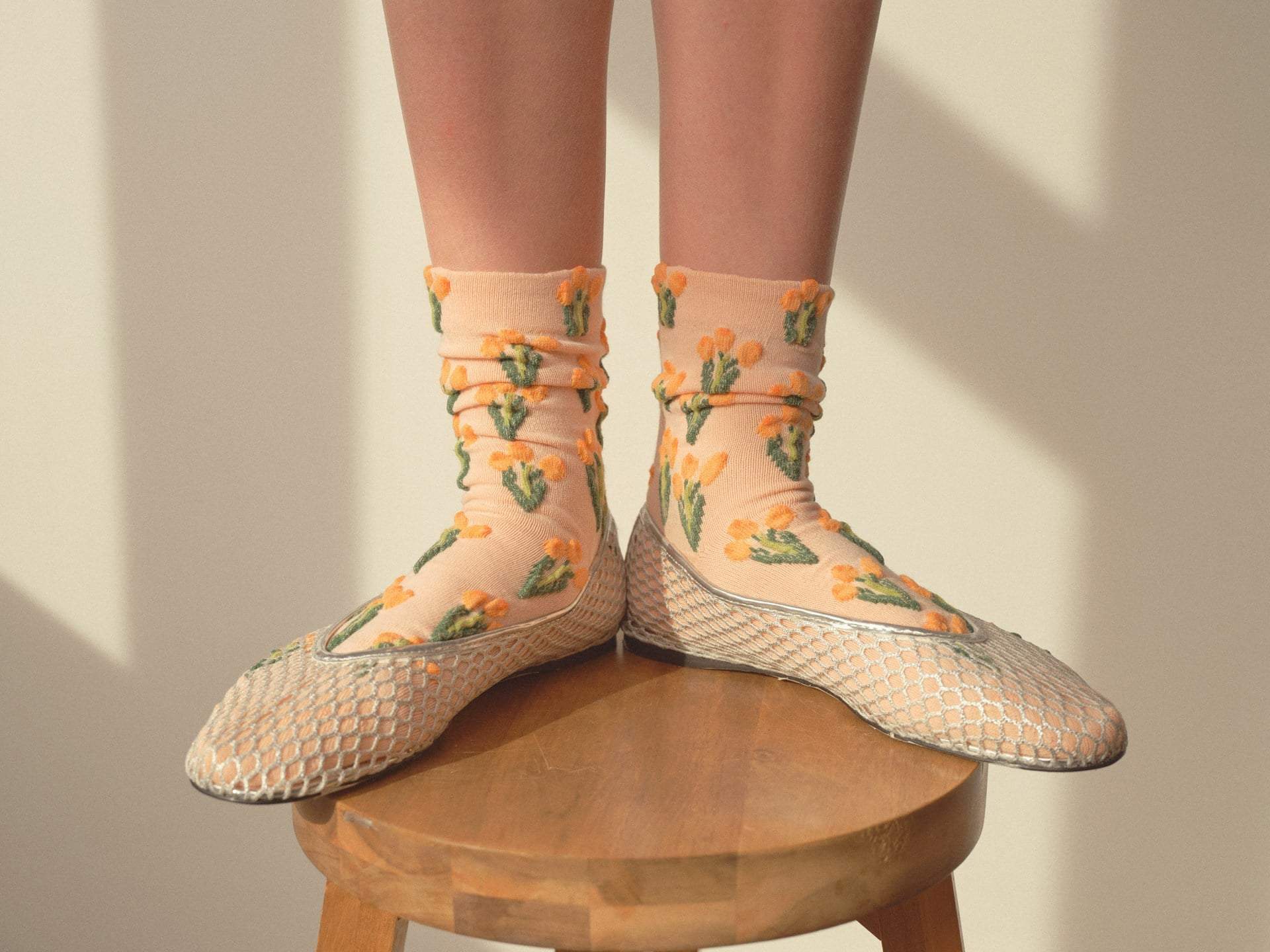
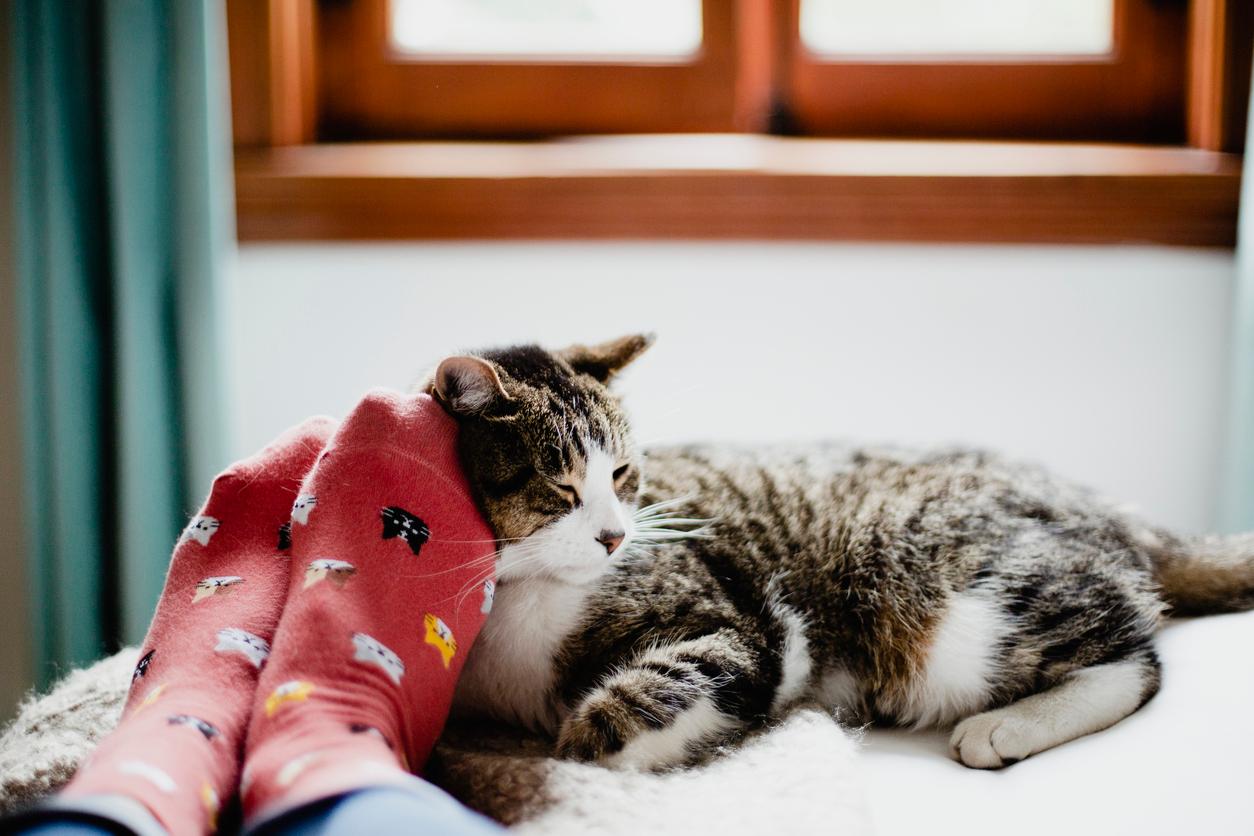
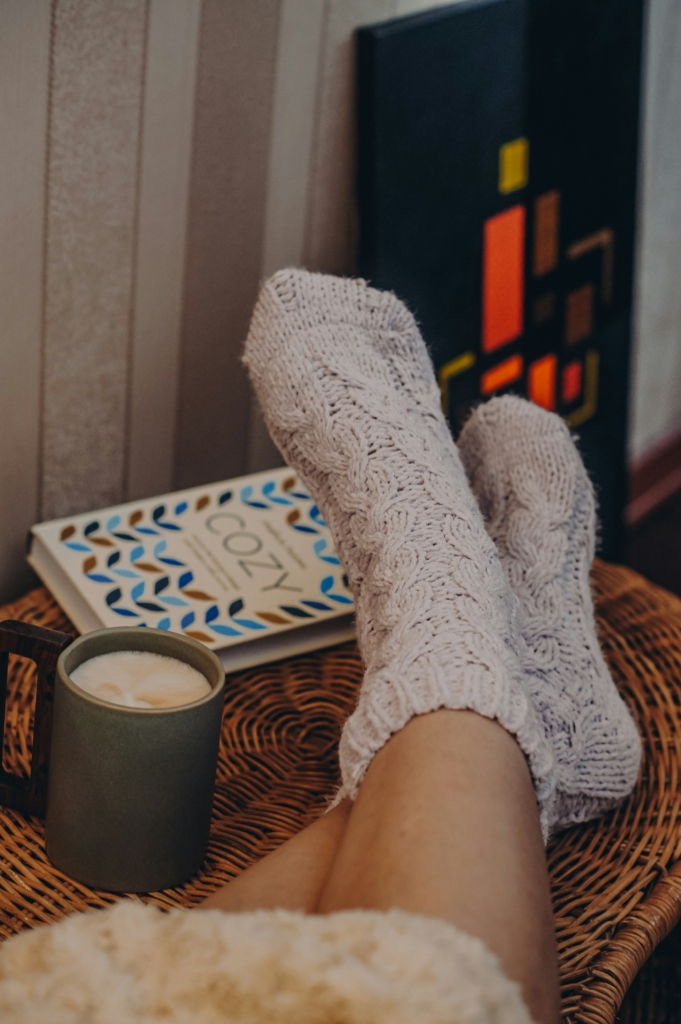
Wearing the right socks or shoes can make a big difference, especially in cooler weather. Cotton or wool socks and breathable footwear help keep your feet comfortably warm.