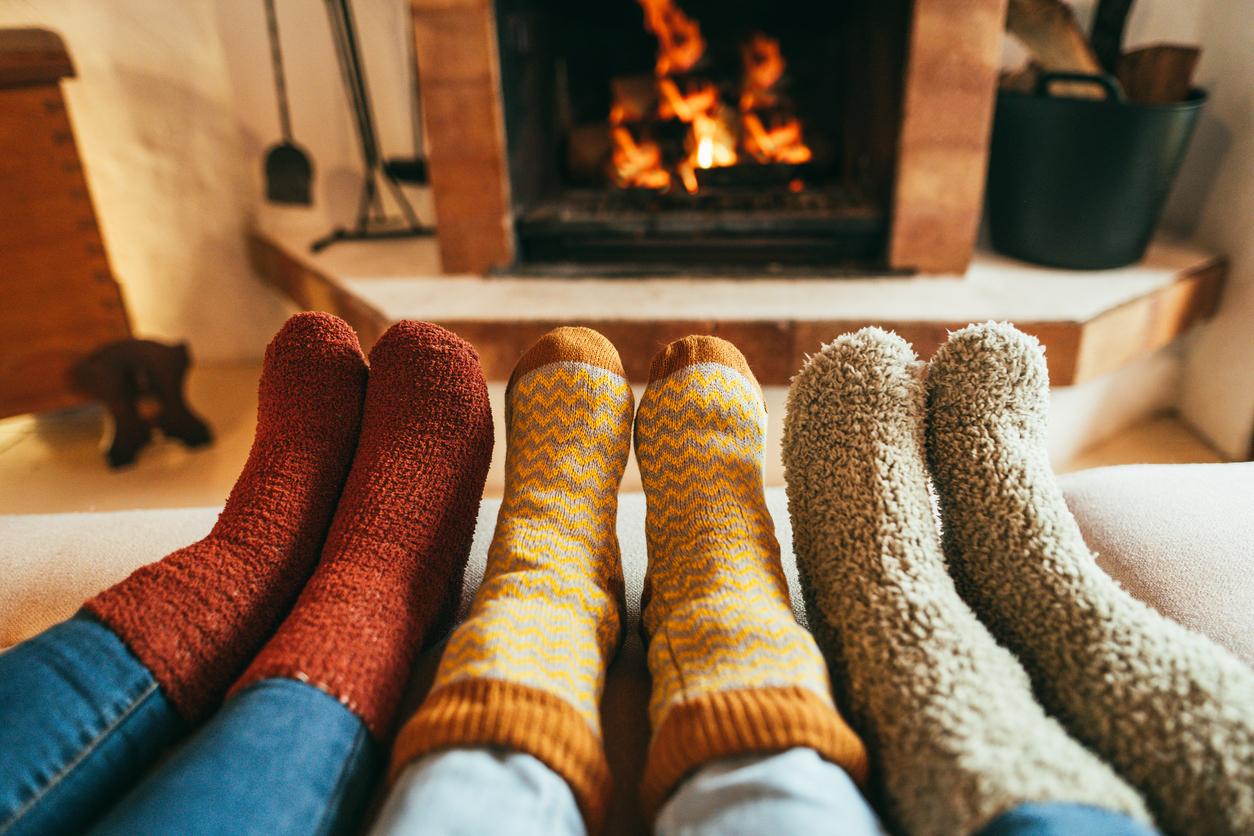
Even with soft, thick socks, do your toes still feel like icicles? Ever notice your feet don’t warm up in bed or feel numb during the day, like they’re not really part of your body? Cold feet are common in winter, but it’s not always just the weather’s fault. Often, this happens because of how your body functions, circulation issues, or lifestyle choices.
Here are 5 common and sometimes surprising reasons why your feet might stay ice-cold even in thick socks.
1. Your Body Switches to Survival Mode: Circulation Slows Down
When it’s cold, your body prioritizes protecting vital organs like your heart, lungs, and brain. To do this, it narrows blood vessels in your limbs, sending less warm blood to your hands and feet. This process is called vasoconstriction.
But if your circulation isn’t great to begin with—due to a sedentary lifestyle, artery narrowing, diabetes, or Raynaud’s syndrome—your feet can chill even faster. In these cases, socks alone won’t cut it.
Tip: Regular walks, moving your toes, and warm foot baths can boost circulation.
2. Nerve Issues: When Your Feet "Misread" the Cold
Feeling cold isn’t always about actual temperature. Certain nerve problems—like diabetic neuropathy—can disrupt how nerves send signals. This means your feet might feel freezing even when they’re actually warm inside your socks, according to The Daily Jagran.
This cold sensation often comes with numbness, tingling, or loss of feeling. If you notice these symptoms, it’s a good idea to check in with a doctor early—it really helps.
3. Sweaty Feet in Winter? It Causes More Trouble Than You Think
Moisture is one of the biggest enemies of warmth. If your feet sweat inside your socks, the damp fabric quickly steals heat, making your feet feel even colder.
Thin cotton socks are especially prone to this: they soak up sweat but don’t insulate well.
Better choices: wool, thermal, or special winter socks that keep your feet warm while wicking away moisture.
4. Lifestyle Culprits: Sitting Too Much, Smoking, Irregular Eating
Cold feet often send a lifestyle warning. Lack of movement slows circulation, smoking narrows blood vessels, and a poor diet disrupts your body’s heat balance.
If you sit all day with little activity and constant stress, don’t be surprised if your feet don’t stay warm.
The key to change: regular exercise, quitting smoking, and eating warm, nutrient-rich foods.

5. Thick Socks, But Not the Right Ones
Not all thick socks keep you warm. Poor-quality, synthetic or overly tight socks can restrict circulation and actually make your feet feel colder.
What makes a good winter sock:
- doesn’t squeeze your feet,
- insulates well,
- still breathes,
- and doesn’t trap moisture inside.
If you wear multiple layers, make sure there’s enough room in your shoes—too-tight shoes can further reduce blood flow.
More Than an Annoyance: It’s Worth Paying Attention To
Persistently cold feet aren’t just uncomfortable—they’re your body’s way of signaling that something’s off balance. Understanding the causes and making small changes—whether in movement, sock choice, or lifestyle—can make your feet truly thankful.
If none of these tips help, definitely see a doctor to find out exactly why your feet stay cold.