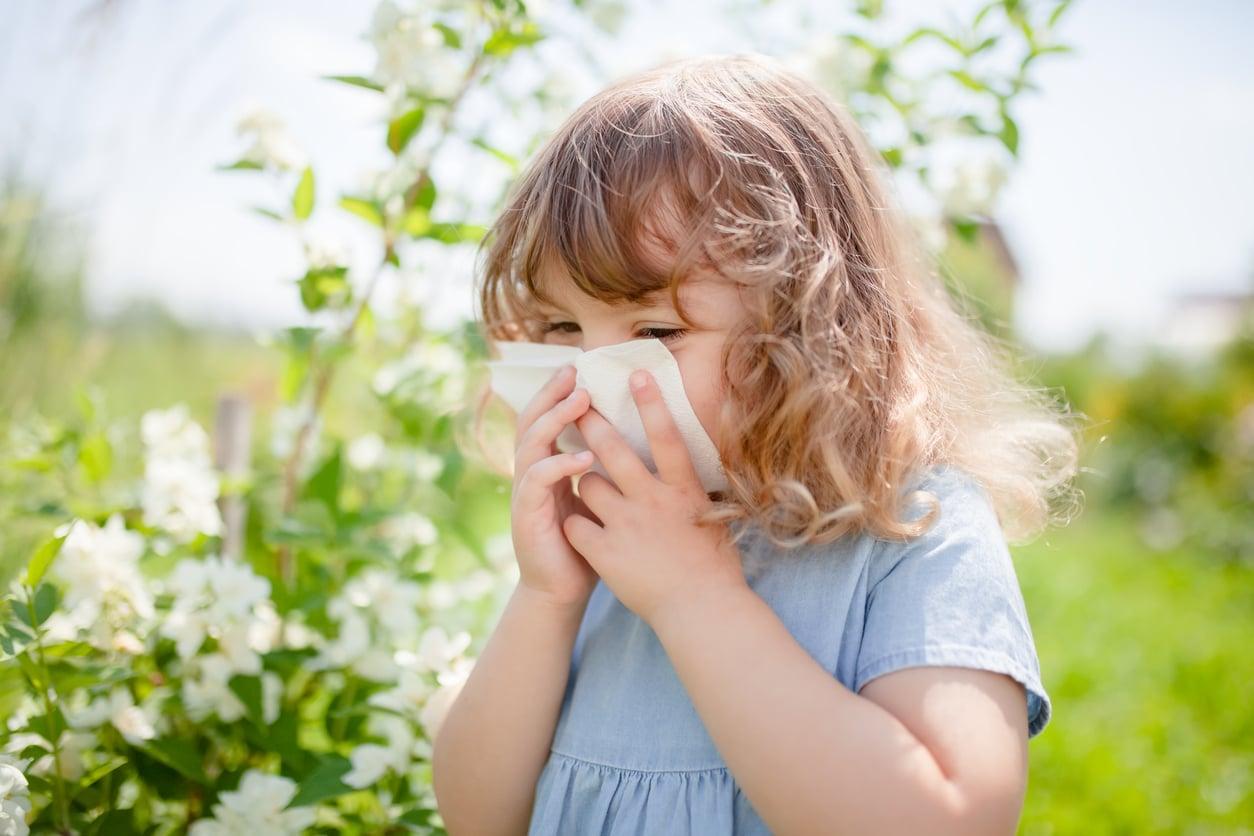
Your child starts sneezing out of nowhere, their eyes are watering, and their nose won't stop running. Your first instinct might be to reach for the cold medicine — but what if it's not a cold at all? During the summer months, pollen allergy is far more common in children than many parents realize, and the two conditions can look almost identical at first glance.
What is an allergy, and why do children get them?
An allergy is essentially an overreaction of the immune system to something in the environment that wouldn't normally be harmful. Common triggers include pollen from trees and grasses, dust, pet dander, and certain foods.
Children are particularly prone to allergic reactions — especially if there's a family history of allergies. If a parent or sibling has them, the chances are noticeably higher.
Among all summer triggers, pollen is the most common culprit. Fine particles released by trees, grasses, and weeds travel through the air and can set off intense reactions in sensitive children. Symptoms tend to peak during outdoor trips, picnics, or any extended time spent outside.
Cold symptoms vs. allergy symptoms: the key differences
The two conditions share a lot of overlap, but there are some telling signs that can help you figure out which one you're dealing with.
- A cold typically builds gradually over a few days and comes with a sore throat, congestion, coughing, and often a fever.
- Pollen allergy tends to strike suddenly — usually right after being outdoors — and almost never causes a fever.
Another important clue is timing. Allergy symptoms can last for weeks as long as the trigger is present in the air, while a cold usually clears up within one to two weeks. Itchy, watery eyes and repeated bouts of sneezing are also much more typical of allergies than of a standard cold.
If your child's symptoms seem to flare up on high-pollen days or after playing outside, that's a strong signal that allergy — not a virus — may be the cause.
How to help your child feel better
If you suspect your child has a pollen allergy, there are several practical steps you can take to ease their symptoms.
Start by reducing their exposure to pollen during peak times. Check daily pollen forecasts and try to limit outdoor activities on high-count days. Keep windows closed when pollen levels are elevated, especially in the morning when concentrations tend to be highest.
Antihistamines and eye drops can provide real relief, but always speak to your child's pediatrician before starting any medication. Regular natural antihistamine options are also worth discussing with your doctor. Nasal rinsing is another simple, drug-free option that helps clear irritants from the nasal passages and can make a noticeable difference.
When to see a doctor
Because allergies can't always be fully cured, prevention and ongoing medical guidance are key. Keeping an eye on pollen alerts and planning your child's day around them can go a long way toward keeping symptoms manageable.
Don't wait too long if symptoms are severe, persistent, or affecting your child's sleep and daily life. Early diagnosis makes a real difference.
If you're unsure what's triggering the reaction, an allergist can run tests — including skin prick tests — to pinpoint the exact cause. With a clear diagnosis, you and your doctor can build an effective management plan that makes everyday life much easier for your child. The sooner you get answers, the sooner they can breathe freely again.