The empty hot wash, done properly
The core of the reset is one long, hot, empty cycle. Choose the hottest programme your machine offers, ideally ninety degrees or a dedicated drum-clean setting, and run it with nothing inside. Heat is what actually breaks down the greasy film, so this is not the moment to compromise. If your machine has a drum-clean function, use it and let it run its full length even if it seems absurdly long.
You can run it empty, or add a proprietary machine cleaner or a measure of citric acid if you live somewhere with hard water and see chalky white deposits on the heater or the seal. Citric acid tackles limescale; the heat tackles the biofilm. Do not put clothes in to "make use of" the cycle — you'll simply move the loosened gunk onto them.
The three places the smell is actually hiding
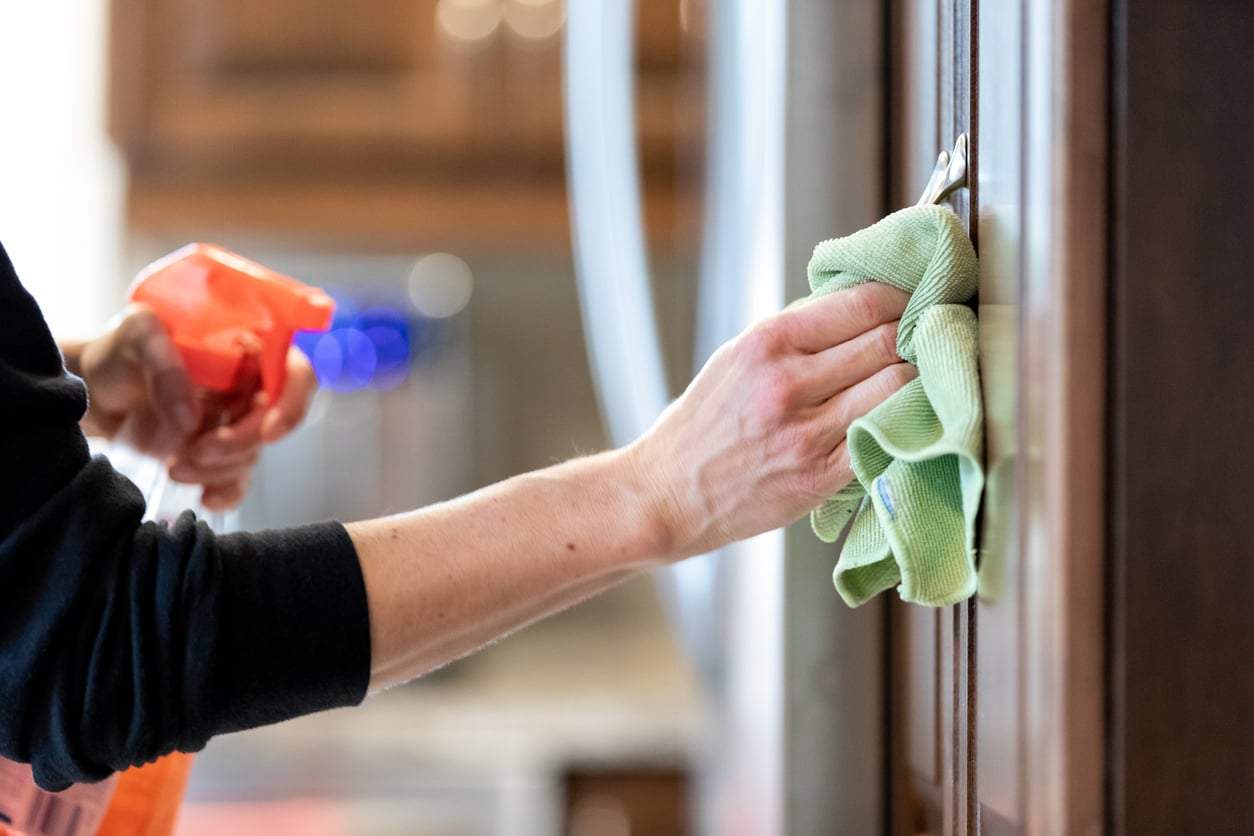
Before or straight after the hot wash, deal with the parts a cycle can't reach. First, the door seal. Pull the rubber lip gently back towards you and run a cloth all the way around the fold. Expect to be unimpressed with what comes out: dark speckles, hair, a lost hair clip, grey sludge. Wipe until the cloth stays clean, then dry the fold.
Second, the detergent drawer. On most machines it slides right out once you press the small release tab. Soak it in hot water, scrub the underside of the softener compartment where the pink jelly lives, and use an old toothbrush on the roof of the empty cavity — that ceiling is usually furred with the same residue.
Third, the filter, also called the pump trap, behind the little hatch at the bottom front. Put down towels and a shallow dish, because water will come out. Unscrew, remove the coins and lint and the button you've been mourning, rinse, screw back firmly. If your machine has been slow to drain, this alone may fix it.